
Data Privacy and Digital Rights
Every time you click an advertisement or sign up for a new mobile application, you leave a digital trail of your personal habits behind. These small pieces of information are the currency of the modern digital marketplace, yet many people do not realize that they have legal rights regarding how companies handle their private data. Understanding these protections is essential because digital platforms often treat your personal details as a commodity that can be traded or sold to third-party advertisers without your direct consent or knowledge.
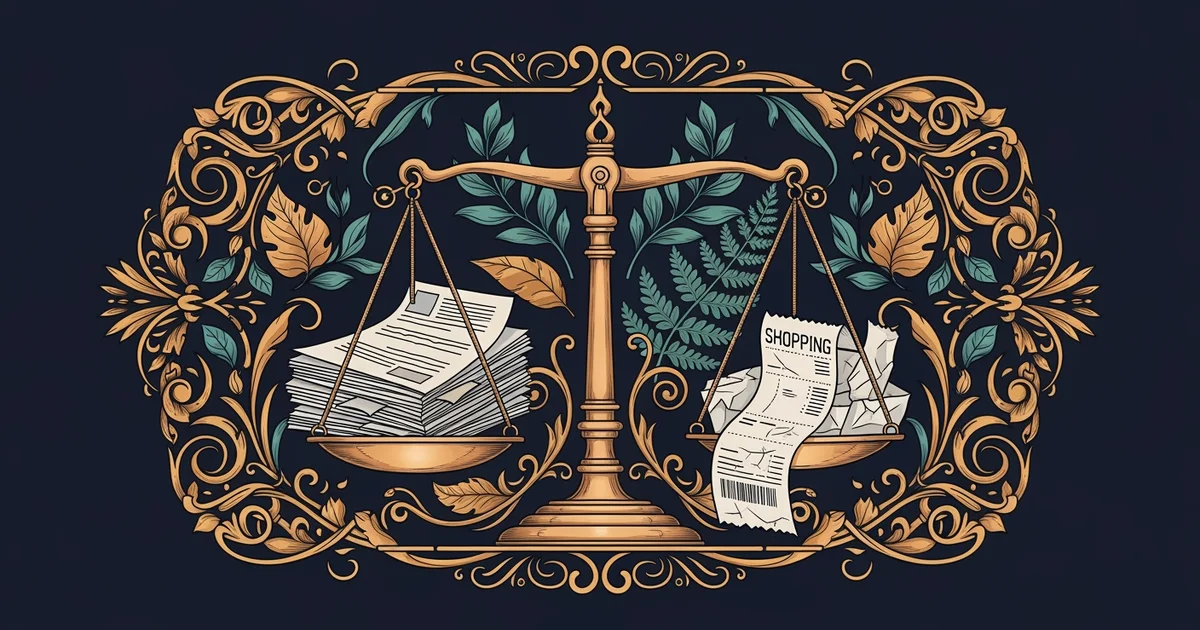
Understanding Data Privacy Foundations
When we discuss data privacy, we refer to the legal rules that govern how firms collect, store, and share the information that identifies you as an individual user. Under various laws like the California Consumer Privacy Act or the General Data Protection Regulation, companies must act as responsible stewards of the information they gather from your daily interactions. Think of your personal data like a private house you own, where the company is merely a temporary guest who must follow your specific house rules while they visit. If the guest decides to start moving your furniture around or selling your belongings to strangers, they have clearly violated the trust and the legal boundaries you established when you first let them inside.
Key term: Data privacy — the legal framework that protects personal information from being collected or shared without the user's explicit permission.
Most modern statutes require companies to provide clear notices whenever they intend to gather your information for marketing or analytical purposes. These requirements ensure that you remain in control of your digital identity rather than becoming a passive subject of corporate surveillance. If a company fails to protect your data or uses it in ways that you did not authorize, they can face significant penalties from government regulators. These enforcement actions serve as a deterrent, forcing businesses to prioritize security measures that shield your sensitive details from unauthorized access or malicious misuse.
Rights and Corporate Responsibilities
Because the digital landscape evolves quickly, lawmakers have established specific rights for consumers that apply across most online services and platforms. These rights allow you to request a copy of the data a company holds about you, demand that they delete your old records, or opt out of the sale of your personal information to third parties. These protections are not just suggestions for businesses, as they represent mandatory legal obligations that firms must integrate into their core operations to remain compliant with the law. The following list outlines the primary obligations that firms must satisfy to maintain a fair relationship with their online consumer base:
- Transparency mandates require firms to publish clear, simple privacy policies that explain exactly what information they collect and how they intend to use those details for profit.
- Security protocols demand that businesses implement robust technical safeguards to prevent data breaches that could expose private user information to hackers or other bad actors.
- Consent mechanisms ensure that users must take a positive, active step to agree to data collection rather than relying on pre-checked boxes or hidden settings.
Maintaining these standards requires constant vigilance from both the companies that hold the data and the government agencies that monitor their business practices. When firms prioritize these protections, they build lasting trust with their users and create a safer environment for everyone to participate in the digital economy. This balance between innovation and protection remains the primary challenge for legal experts who aim to keep our digital rights relevant as technology changes. By knowing your rights, you can make informed decisions about which platforms you trust with your personal information and which ones might pose a risk to your digital safety.
Modern privacy laws empower consumers by forcing companies to treat personal data as a protected asset rather than a free resource.
The next Station introduces enforcement agency roles, which determine how these privacy laws are actually applied in real-world legal cases. This content is educational only and does not constitute legal advice. Laws vary by jurisdiction. Consult a qualified legal professional for advice specific to your situation.