
Financial Credit Protections
Imagine your financial reputation is a permanent record of how well you handle borrowed money. If you miss a payment on a credit card, that mistake sticks to your record like a stubborn stain on a white shirt.
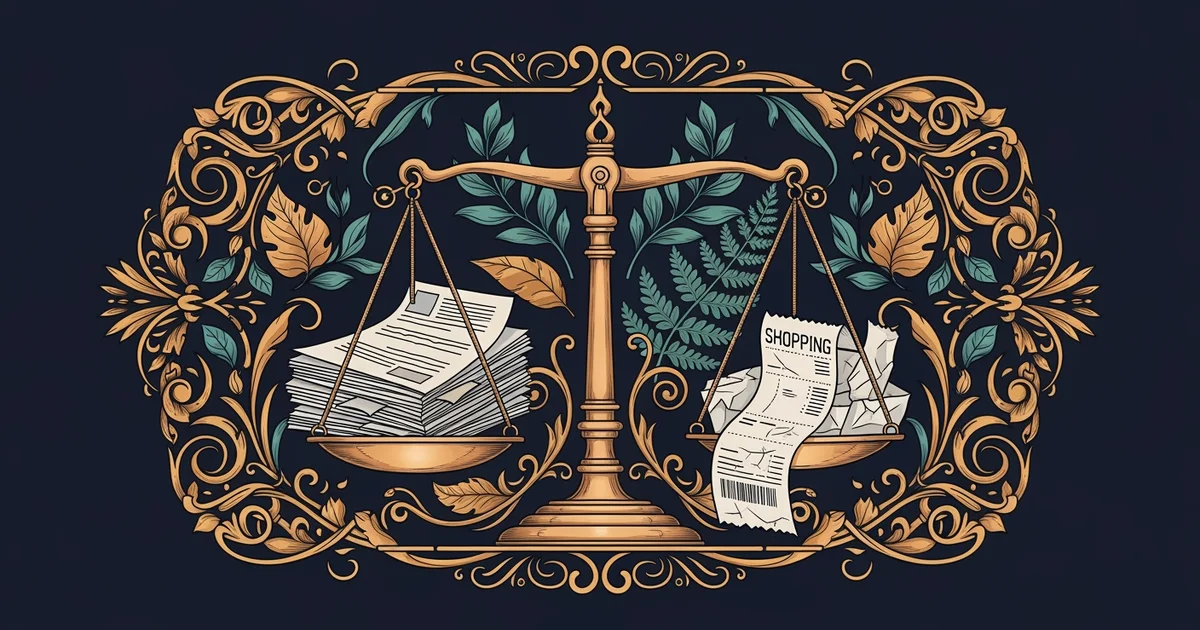
Understanding Credit Reporting Rights
Under United States federal law, credit reporting agencies must maintain accurate information about your borrowing history. These agencies collect data from banks and lenders to create your credit report. Because this report determines your ability to rent an apartment or secure a car loan, you possess the legal right to inspect it. You may request a free copy of your report from each major bureau once every twelve months. If you find an error, such as a debt you never actually owed, you have the right to dispute that entry. The agency must investigate your claim within thirty days to ensure the record remains fair and transparent. This process acts like a referee in a sports game, ensuring that one team does not gain an unfair advantage through incorrect scoring. Without this oversight, lenders might deny you credit based on someone else's financial mistakes or outdated information.
Key term: Credit Report — a detailed summary of your past borrowing and repayment history that lenders use to evaluate your financial reliability.
Once you check your report, you must understand how credit card usage impacts your overall score. Credit card companies report your balance and payment status to the bureaus each month. Maintaining a low balance relative to your total credit limit helps keep your score healthy. If you consistently pay your bills on time, your credit history improves significantly over time.
Legal Protections for Credit Users
Beyond just reporting, federal laws provide specific safeguards for how credit cards function in the daily market. You are protected from unauthorized charges if your card is lost or stolen. In most cases, your liability for fraudulent charges is limited to fifty dollars, though many companies waive this fee entirely. This legal shield allows consumers to participate in digital commerce without fearing total financial ruin from a single security breach.
| Protection Type | Legal Safeguard | Consumer Benefit |
|---|---|---|
| Billing Errors | Dispute Rights | Corrects mistakes |
| Fraud Liability | Limited Losses | Protects your cash |
| Fair Reporting | Accuracy Mandate | Ensures fairness |
These protections function like a safety net under a tightrope walker, providing a backup plan if things go wrong. While you should always practice caution, these laws ensure that you do not shoulder the full burden of market risks. The following list highlights key rights that every credit card user should keep in mind:
- The right to receive a written explanation if a lender denies your application for credit, which helps you understand exactly why you were rejected so you can improve your profile.
- The right to have your dispute investigated by the credit bureau, which forces them to remove any information that they cannot verify as being completely accurate.
- The right to receive periodic billing statements that clearly outline your interest rates and fees, which prevents hidden costs from growing into unmanageable debt over time.
These rules keep our daily market transactions fair, safe, and transparent for everyone involved. By knowing your rights, you transform from a passive participant into an informed consumer who protects their own interests.
Your legal right to verify and correct credit information ensures that your financial reputation remains an accurate reflection of your actual borrowing habits.
The next Station introduces Data Privacy and Digital Rights, which determines how your personal information is collected and protected online.
This content is educational only and does not constitute legal advice. Laws vary by jurisdiction. Consult a qualified legal professional for advice specific to your situation.