
Contractual Fairness Rules
Imagine signing a document for a new phone plan that hides a massive penalty fee in tiny, unreadable print at the very bottom of the page. You feel like you agreed to a fair deal, but the fine print shifts all the legal risk directly onto your shoulders while the company retains total control. When businesses use these lopsided agreements, they often rely on the fact that most consumers never read the full text of a standard contract before signing it.
Identifying Unfair Contractual Terms
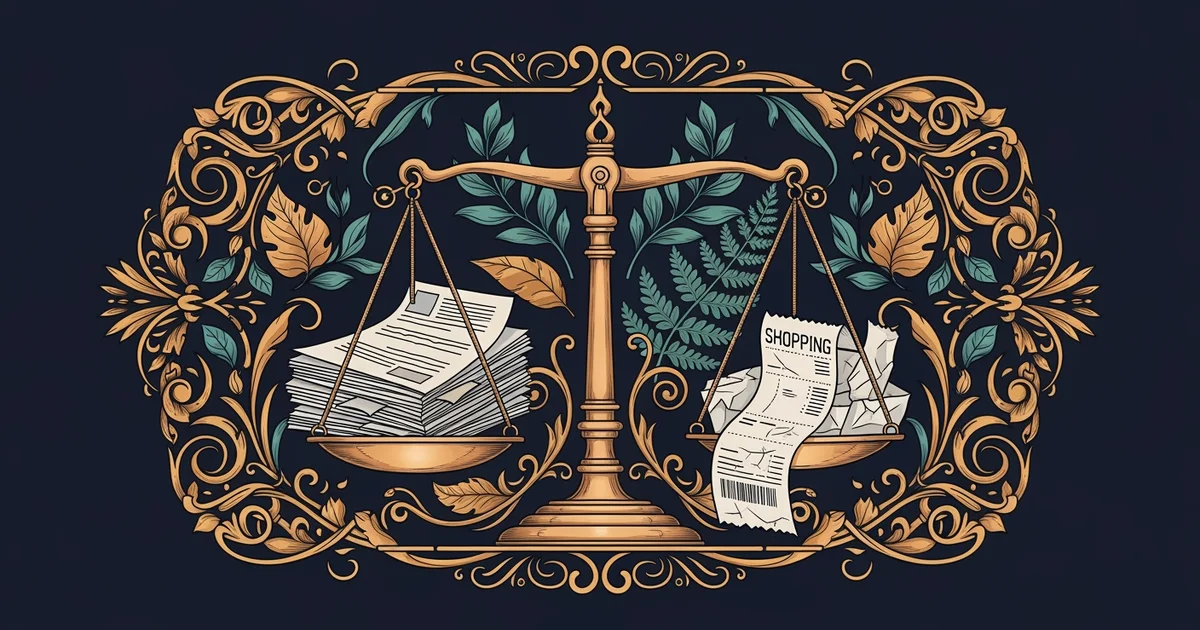
Under consumer protection laws in most jurisdictions, a contract must remain balanced to be legally enforceable against a buyer. These laws prevent companies from using unconscionable terms, which are clauses so one-sided that they shock the conscience of a reasonable person. Think of these contracts like a playground seesaw where one side is anchored to the ground while the other side floats uselessly in the air. A fair contract requires both parties to share the weight of responsibilities and benefits, ensuring that no single party holds all the power to change rules without notice or cause. If a contract allows a company to cancel services whenever they want while forcing you to pay for the entire year, that term is likely unenforceable because it creates an extreme imbalance of power.
Key term: Unconscionable terms — contract provisions that are so unfairly weighted toward one party that they are considered legally oppressive or grossly unreasonable.
To determine if a clause is fair, courts often look at the negotiation process and the specific language used within the document. They ask whether the consumer had a real opportunity to understand the terms or if they were forced to accept them without any room for discussion. This is known as a contract of adhesion, where the business dictates every single term and the consumer has no choice but to take it or leave it entirely. While these contracts are common for everyday services, they cannot hide traps that strip away basic legal rights. If a company hides a waiver of your right to sue in a massive wall of legal jargon, the court may strike that specific section down while keeping the rest of the agreement intact.
Assessing Risks in Purchase Agreements
When you review a standard purchase agreement, you should look for specific red flags that indicate a loss of your consumer rights. Many companies attempt to limit their liability for faulty products, but these limitations must be clear and reasonable to be valid under current law. If a company tries to avoid responsibility for their own negligence, the court will likely view that term as a violation of public policy. You should always check for clauses that allow the business to change prices or service levels without giving you a chance to cancel your plan. These unilateral changes shift the economic risk to you, which is a hallmark of an unfair agreement that lacks transparency and mutual respect.
To better understand these risks, consider these common features of potentially unfair agreements:
- Excessive cancellation penalties that charge more than the actual cost of the service provided to the consumer.
- Vague language that allows the company to interpret their own obligations in ways that benefit them exclusively.
- Mandatory arbitration clauses that force you to give up your right to a court trial for small claims.
- Automatic renewal periods that do not provide a clear way for the user to opt out easily.
Each of these items creates a barrier that prevents a fair exchange of value between the buyer and the seller. When a contract is built on these barriers, it undermines the trust necessary for a healthy marketplace to function correctly for all participants.
Fairness in consumer contracts requires that both parties understand their rights and share the risks of the transaction equally.
Since we have explored how contracts stay fair, we must now ask: how do we handle disagreements when these rules are actually broken in a digital store?
This content is educational only and does not constitute legal advice. Laws vary by jurisdiction. Consult a qualified legal professional for advice specific to your situation.