
Future of Experimental Archaeology
Imagine standing in a field where a digital ghost of a Roman house overlays the empty grass. You hold a device that reveals how ancient builders stacked heavy stones without using modern cranes or steel tools. This vision of the future turns history into a living experience that anyone can touch, see, and test. By combining physical reconstruction with digital tools, we move past simple guessing to create accurate models of the ancient world. Our hands provide the labor, while new technology provides the precision required to prove exactly how past societies thrived.
Integrating Digital Tools With Physical Models
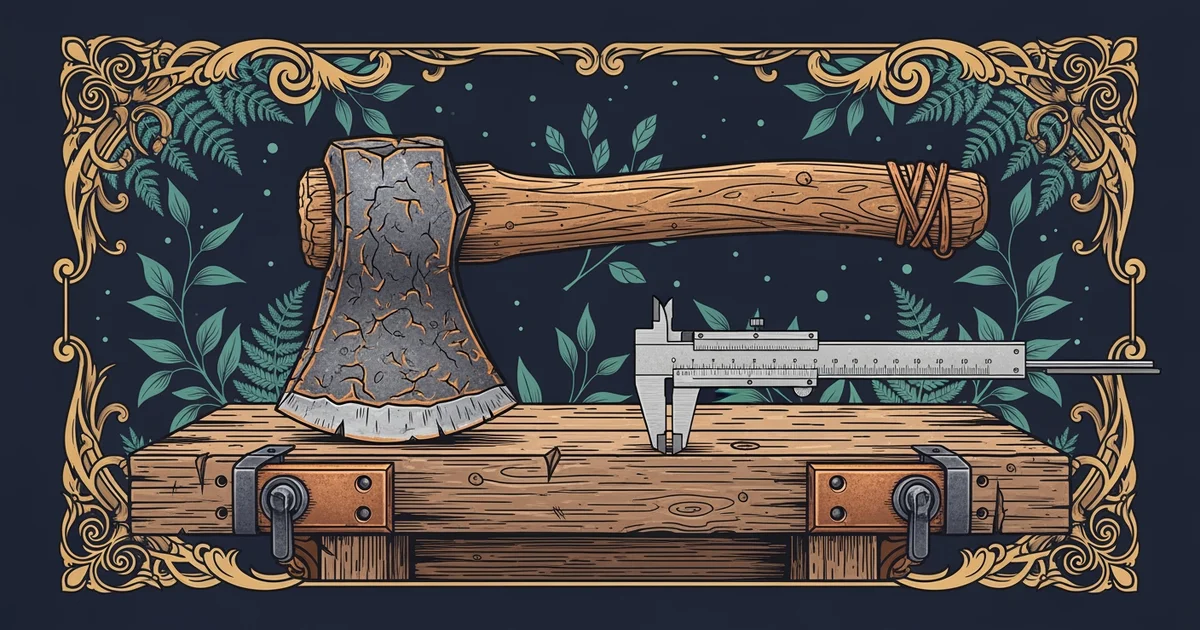
The future of this field relies on merging old manual methods with advanced digital analysis. Researchers now use high-speed cameras to track every movement during a traditional craft demonstration. This data helps us understand the physical strain ancient workers endured during long construction projects. Think of this process like a professional athlete using video playback to fix their swing for better results. We analyze the efficiency of stone cutting or wood carving through these digital lenses to find hidden patterns. These patterns reveal secrets about ancient labor that human eyes often miss during the work process. By recording these fine details, we build a library of motion that informs future studies and protects dying traditional knowledge.
Key term: Digital Twin — a virtual replica of a physical object or process that allows scientists to simulate real-world outcomes without risking damage to artifacts.
We must also consider how virtual environments change our understanding of historical spaces. Scientists can now place a physical reconstruction inside a computer simulation to test how it holds up against weather. This method saves time and money while allowing for endless testing of different architectural theories. If a wall collapses in the simulation, we adjust the design before wasting physical materials on a failed attempt. This cycle of testing creates a safe space for trial and error that was impossible for archaeologists in the past. It transforms our approach from simple guesswork into a rigorous science based on repeatable, measurable results.
Emerging Trends in Hands-On Research
Looking ahead, we see several major shifts in how researchers will conduct their work in the coming decades. These trends focus on increasing accuracy while making the process more accessible to the public and student researchers alike. The following list highlights the primary ways this field will evolve as new technology becomes standard practice:
- Automated Data Capture uses wearable sensors to track the heart rate and muscle fatigue of people performing ancient tasks to measure true human exertion.
- Virtual Reality Integration allows users to inhabit the spaces we build, providing a sensory experience that helps us test how light and sound moved through ancient rooms.
- Predictive Modeling Software simulates thousands of years of environmental decay, showing us how materials like mud brick or thatch survive in specific climates over time.
These tools do not replace the need for physical work, but they enhance our ability to interpret the results. We still need to feel the weight of the hammer to understand the tool, but the computer tells us if our grip matches the wear patterns found on ancient artifacts. This balance between the physical act of building and the digital analysis of the result forms the core of modern experimental archaeology. It proves that we can bridge the gap between ancient reality and modern understanding by using our hands to build and our minds to calculate. The future of this field remains open, as many questions about ancient human behavior still lack clear, agreed-upon answers from the research community.
Experimental archaeology will evolve into a hybrid discipline where digital simulations and physical reconstruction work together to provide a complete picture of past human life.
Understanding the past requires us to build it with our hands and verify it with our machines.