
Material Science Basics
When you pick up a smooth river stone, you might wonder why it feels so heavy and cold compared to a piece of dry pine wood. These simple differences in how materials feel are the keys to understanding how early humans built their world from raw, natural resources. By looking at how these items react to force, we learn why specific tools were chosen for specific survival tasks.
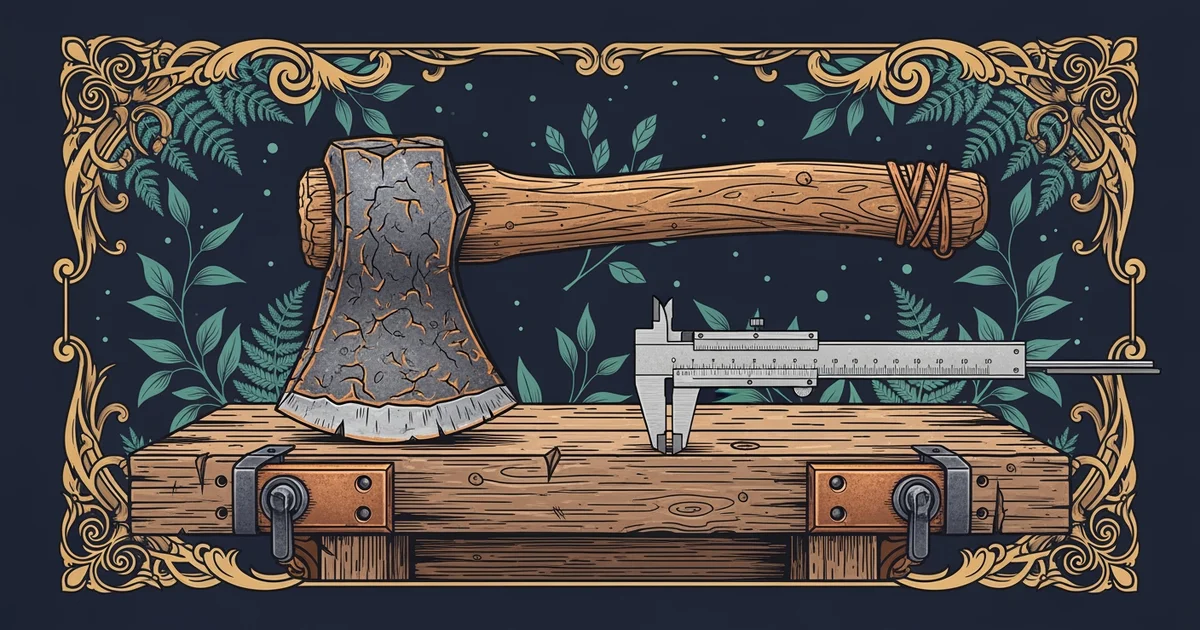
Understanding Material Properties
To study the past, we must first look at the physical traits of the items found in the ground. Every material has a unique set of material properties that dictate how it can be shaped or broken. Hardness tells us if a material can scratch another surface, while density explains why some items sink in water and others float. Imagine trying to cut a thick rope with a soft piece of chalk; the chalk would crumble long before the rope showed any damage. This simple comparison shows why early tool makers spent time selecting the right stone for the right job. A brittle stone might be very sharp, but it will shatter if you hit it against a tree. Understanding these traits allows us to predict how a tool will perform before we even try to use it in the field.
Key term: Material properties — the measurable physical characteristics of a substance that determine how it behaves under stress or environmental conditions.
When we test these materials, we look for how they react to different types of force. Think of a carpenter choosing between steel and rubber for a hammer head. The steel is stiff and transfers energy well, while the rubber absorbs the impact and softens the blow. Ancient humans faced this same choice when they selected flint for knives versus basalt for heavy pounding tools. The flint has a glassy structure that creates a razor edge, but it lacks the internal strength of denser stones like basalt. By testing these materials with modern tools, we can recreate the exact conditions that early people faced during their daily work.
Analyzing Physical Performance
We categorize these materials based on their durability and their ability to hold a sharp edge over time. The following table shows how common natural materials compare when subjected to repeated physical stress:
| Material Type | Hardness Level | Primary Use | Ability to Hold Edge |
|---|---|---|---|
| Flint Stone | Very High | Cutting | Excellent |
| Hardwood | Moderate | Handles | Poor |
| Basalt Rock | High | Pounding | Low |
This table helps us see why a tool kit was never made of just one material. If you only had flint, you would lack the heavy tools needed to process nuts or grind grains. If you only had wood, you could never create the fine edges needed for cleaning hides. Ancient life relied on a balanced set of tools that used the best traits of every available local resource.
To better understand how these materials change over time, we can track the typical lifespan of a tool through a standard sequence of use:
- Selection of raw material involves testing the stone for internal cracks or hidden flaws.
- Shaping the material requires applying controlled force to remove flakes until the desired form appears.
- Usage causes the edge to dull or the handle to weaken through constant physical friction.
- Maintenance involves sharpening the edge or replacing the handle to extend the tool life.
- Discarding happens once the material becomes too small or too damaged to perform its task.
By following these steps, we see that tool making was a constant cycle of planning and repair. Every piece of stone or wood was a calculated choice based on its physical limits. When we recreate these tools today, we are testing those same limits to see if our theories about the past hold true. We use these physical lessons to bridge the gap between a silent artifact and a living, breathing human history. This science turns a pile of old rocks into a clear window into how our ancestors mastered their environment.
Understanding the physical properties of natural materials allows us to reconstruct how ancient people successfully engineered tools for survival.
The next Station introduces replication techniques, which determine how we use physical force to transform raw stone into functional tools.