
Industrial Applications
In 2017, a major automotive manufacturer in Michigan integrated robotic suits to stop worker back injuries during heavy engine assembly. This effort mirrors the mechanical assistance goals from Station One, where we first explored how external frames amplify human force. When workers lift heavy components, their muscles often reach a breaking point that leads to long-term physical damage. These wearable suits act as a bridge between human intent and machine power, allowing workers to move heavy loads with minimal strain. By shifting the weight load from the spine to the frame, companies protect their most valuable asset while maintaining high production speeds.
Enhancing Physical Output in Manufacturing
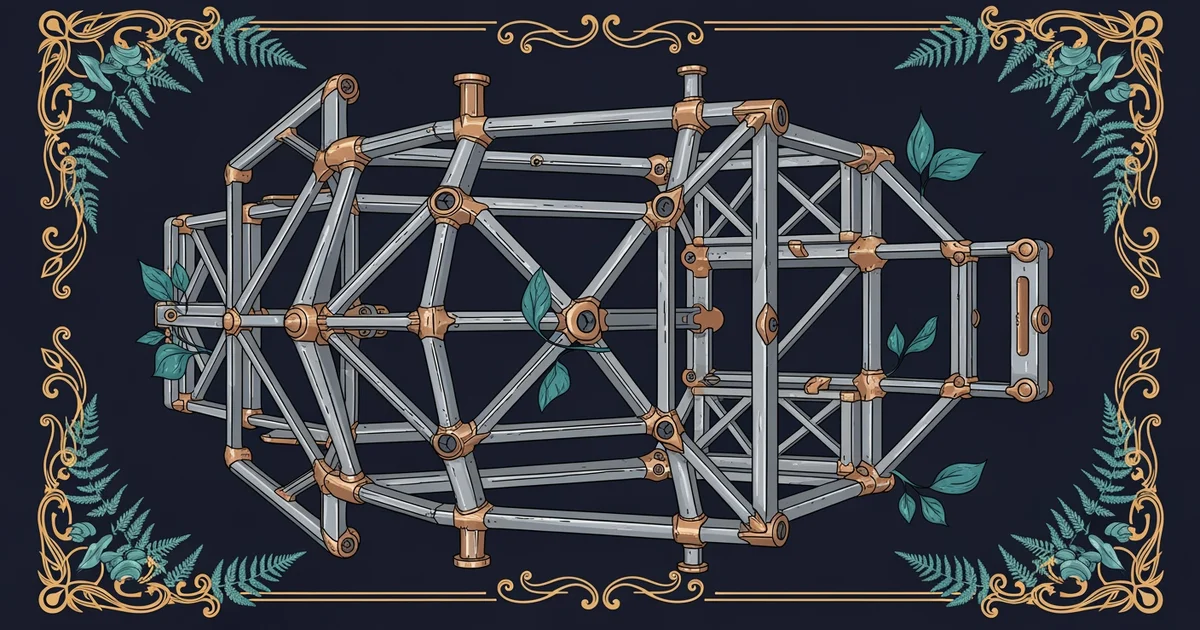
Modern factories rely on industrial exoskeletons to minimize the physical toll of repetitive heavy lifting tasks. These devices function like a secondary structural skeleton, absorbing the stress of gravity that usually wears down human joints. Think of these suits like a high-end bicycle gear system that makes climbing a steep hill feel like riding on flat ground. The suit does not replace the worker, but it changes how the body interacts with the environment. By reducing the energy cost of every motion, these systems allow employees to maintain consistent performance levels throughout an entire shift without falling into exhaustion.
Key term: Industrial exoskeletons — wearable mechanical structures designed to provide physical support and force amplification for workers in high-demand environments.
Integrating these machines requires a careful balance between the machine’s power and the worker’s natural range of motion. If a suit is too rigid, it prevents the worker from reaching tight spaces or making delicate adjustments. Engineers must design these frames to be lightweight yet strong enough to handle heavy torque. This requires advanced materials that can withstand thousands of cycles without failing or losing their structural integrity. When the design succeeds, the suit feels like a natural extension of the person wearing it, rather than a bulky or restrictive cage.
Solving Warehouse Labor Challenges
Warehouse operations present unique hurdles because workers must balance heavy lifting with constant movement across large floor spaces. A worker might lift hundreds of boxes during one shift, which creates significant cumulative fatigue on the lower back and shoulders. To address this, engineers often implement passive systems that use springs or elastic bands to store energy during movement. These systems do not require heavy batteries, making them ideal for long shifts where weight and mobility are critical factors for success.
| Feature | Passive Exoskeletons | Active Exoskeletons |
|---|---|---|
| Power Source | Springs or tension | Electric batteries |
| Weight | Very lightweight | Heavier design |
| Complexity | Low maintenance | High technical need |
Selecting the right system depends on the specific demands of the warehouse environment and the tasks being performed. The following list outlines how these systems support workers during daily operations:
- Spring-loaded frames capture energy during the downward motion of a lift, then release that energy to assist the upward pull of the load.
- Damping mechanisms stabilize the limb movements of the worker, which prevents tremors and ensures precise placement of heavy objects in high racks.
- Ergonomic weight distribution channels the force of a heavy package directly into the ground through the suit frame rather than the worker’s spine.
These mechanical solutions directly address the physical limitations discussed in our foundation study. By offloading the stress of heavy labor, these suits allow humans to perform tasks that were previously impossible or unsafe. The true value of this engineering lies in the ability to sustain human productivity while preventing the long-term injuries that have historically plagued manual labor sectors. As these systems become more common, the definition of a standard workday will change to include advanced mechanical support for every employee.
Mechanical suits transform industrial labor by redirecting physical stress away from human joints and into durable structural frames.
But this model breaks down when the suit fails to account for the complex, unpredictable movements required in unstructured environments.