
Historical Evolution of Suits
Imagine wearing a heavy backpack that feels weightless while you climb a steep mountain trail. This is the promise of early mechanical suits designed to amplify human physical strength. Engineers long dreamed of creating machines that could merge with the human body seamlessly. Early inventors built rigid frames to support the weight of heavy gear and heavy machinery. These metal skeletons acted like external pillars to protect the body during difficult physical tasks. While these designs were revolutionary, they often restricted the natural movement of the human joints. A user felt like they were trapped inside a bulky cage of steel and gears. The goal shifted from simply carrying weight to actively assisting the user during complex movements.
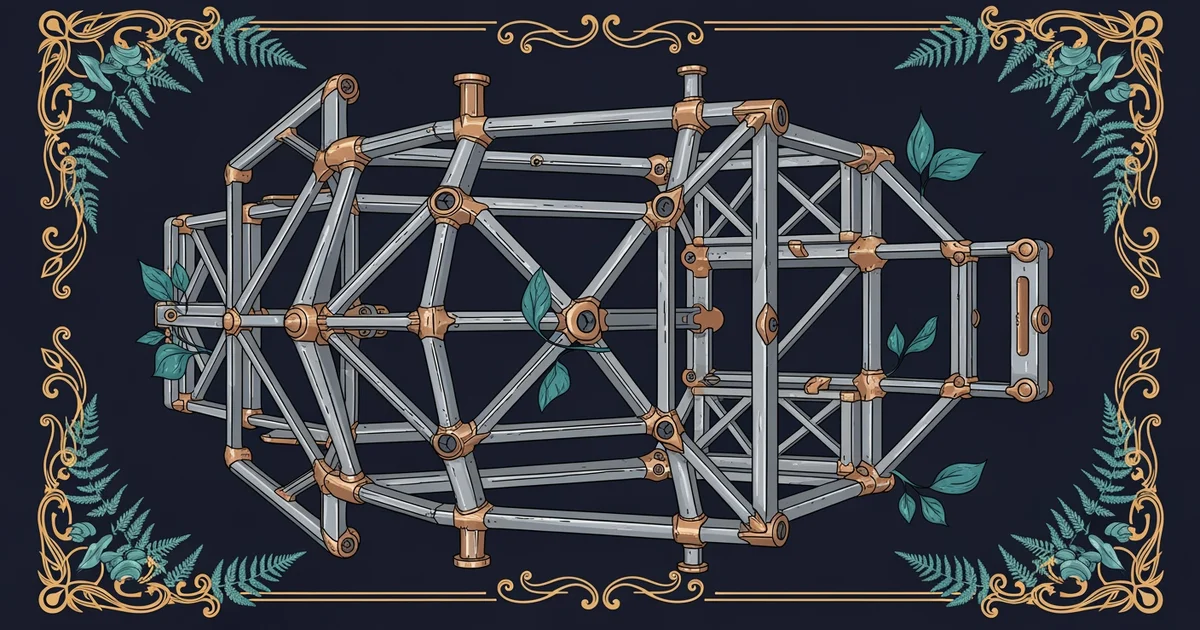
The Shift Toward Integrated Mechanical Frames
Early designers focused on rigid structures to provide stability for soldiers and industrial workers alike. These frames were like a suit of armor that provided extra support for the legs. The primary challenge involved balancing the weight of the suit with the power it provided. If the suit was too heavy, the user spent all their energy moving the machine. If the suit was too light, it could not support the required heavy physical loads. Engineers soon realized that rigid metal bars limited the flexibility of human hips and knees. This limitation forced the industry to rethink how a mechanical frame should interact with skin. They began looking for ways to make the suit feel like a natural extension.
Key term: Exoskeleton — a wearable external framework designed to support or augment the physical strength of a human.
To bridge the gap between rigid metal and human skin, designers introduced soft robotic elements. These components use flexible materials like fabric and cables to mimic human muscle fibers. Think of this transition like upgrading from a stiff wooden splint to a flexible athletic brace. The brace provides the necessary support for an injury while still allowing for a full range. This shift allowed for suits that were much lighter and easier to wear for long periods. Soft robotics enable the suit to move fluidly with the wearer instead of fighting them.
Evolution of Power and Control Systems
Modern engineering now focuses on how to power these suits without adding too much bulk. The following list explains the primary components that allow these systems to function effectively:
- Actuators serve as the mechanical muscles that provide the force needed to assist human movement.
- Sensors detect the tiny electrical signals from human muscles to predict the next intended motion.
- Control loops process the data from sensors to ensure the suit moves in perfect harmony.
These systems must work together to ensure the suit feels intuitive rather than robotic or jerky. When a user decides to lift an object, the sensors detect the tension in muscles. The control loop then instructs the actuators to provide the exact amount of needed help. This creates a feedback loop where the machine learns the habits of the individual user perfectly. The engineering goal is to make the suit invisible to the user during normal operation.
| Feature | Rigid Exoskeleton | Soft Exoskeleton |
|---|---|---|
| Material | Steel or Aluminum | Fabric or Polymer |
| Weight | Very Heavy | Lightweight |
| Comfort | Low Flexibility | High Flexibility |
| Primary Use | Heavy Lifting | Endurance Support |
Comparing these two types shows why the field has moved toward softer and more flexible designs. While rigid suits are still useful for extreme tasks, soft suits excel in daily work environments. Designers now combine these approaches to create hybrid suits that offer both strength and comfort. This evolution represents a massive leap forward in how we view human physical potential today. We are moving toward a future where our physical limits are defined by technology. The question remains how much control we should hand over to these smart mechanical systems.
Mechanical suits have evolved from rigid protective cages into flexible systems that work with human anatomy.
The next step in our journey explores how these machines must align with human biomechanics.