
Defining Wearable Exoskeletons
Imagine you are carrying a heavy backpack that feels like a feather because a mechanical frame does the lifting for you. This is the promise of modern robotics, where technology blends seamlessly with human movement to expand what our bodies can achieve.
Understanding Robotic Integration
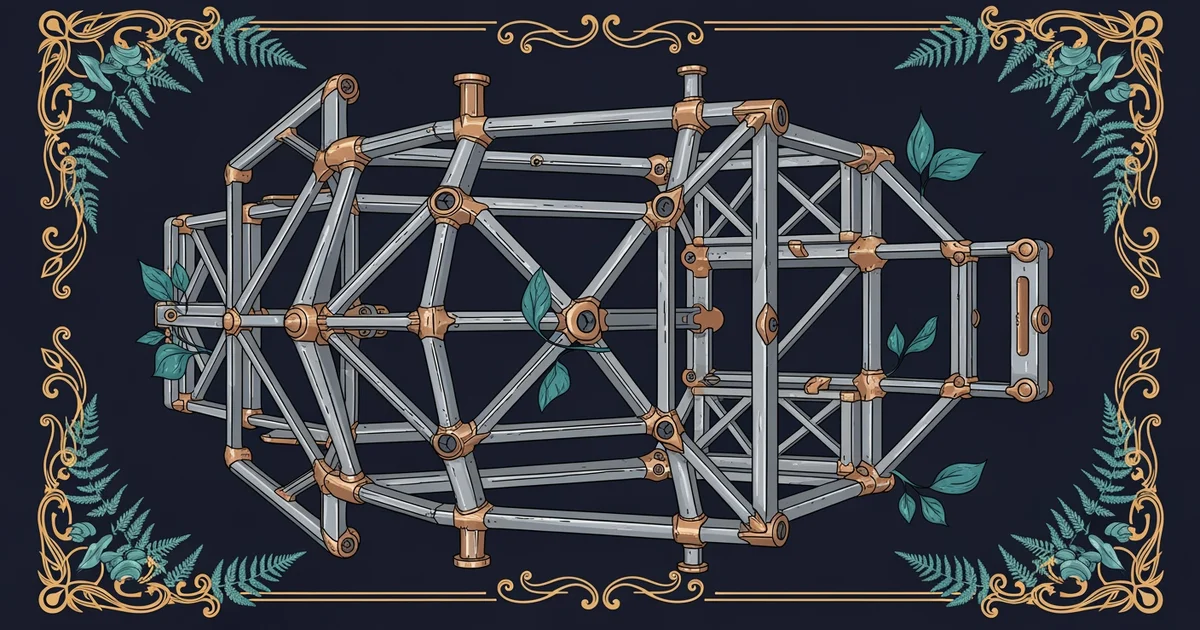
When we talk about wearable exoskeletons, we describe a robotic suit designed to wrap around the human body. These devices act like a secondary skeleton, providing support and power to muscles that might otherwise struggle under heavy loads. Think of this technology like a pair of high-end mountain climbing boots that do not just protect your feet but actually help you push off the ground with extra force. By mirroring the natural structure of human bones and joints, these suits allow users to move naturally while gaining significant strength. They function by sensing the user's intent to move and then providing the necessary torque to assist that specific motion. This creates a partnership between the human brain and the machine's motor systems.
Key term: Robotic suit — a wearable machine designed to enhance human physical performance by providing external support and power to the limbs.
These machines rely on a series of sensors, actuators, and power sources to function effectively in real-world environments. The sensors detect small changes in pressure or movement, which the onboard computer then translates into mechanical action. Without this rapid data processing, the suit would feel clunky and unresponsive to the wearer. Instead, the system reacts in milliseconds, making the assistance feel like a natural extension of the person wearing it. The goal is to reduce physical fatigue while keeping the human in full control of every single step or lift.
Core Principles of Design
Engineers focus on three primary design pillars to ensure these systems are safe, reliable, and truly helpful to the user. These principles guide the development process from the initial sketch to the final working prototype.
- Biomechanical Alignment: The suit must match the pivot points of human joints, such as the knees and hips, to prevent discomfort or injury during extended use.
- Power Density: The battery and motor systems must be light enough to carry but strong enough to provide meaningful assistance during heavy labor tasks.
- Control Latency: The system must process movement data instantly, as any delay between a human intent and machine action creates a jarring experience.
By following these principles, designers create tools that feel intuitive rather than restrictive. The mechanical design must also account for the weight of the suit itself, which is a major engineering hurdle. If the suit is too heavy, the user spends more energy carrying the machine than they would have spent doing the work alone. Therefore, engineers use lightweight materials like carbon fiber and high-strength aluminum to keep the load manageable. This balance between structural integrity and weight is the hallmark of a successful wearable robot.
| Feature | Purpose | Engineering Challenge |
|---|---|---|
| Sensors | Detect movement | Minimizing signal noise |
| Actuators | Provide force | Improving energy efficiency |
| Battery | Power supply | Reducing total weight |
This table highlights the trade-offs that engineers must navigate when building these complex systems. Each component must work in perfect harmony with the others to ensure the wearer remains comfortable and safe throughout the day. When these systems work well, they redefine the boundaries of human endurance by turning physical labor into a manageable task. By the end of this path, you will understand how these systems evolve from simple frames into advanced tools that reshape the future of human capability.
Wearable exoskeletons function as an intelligent extension of the human body by using sensors and motors to amplify natural movement while maintaining user control.
By exploring how these systems work today, you will gain a clear understanding of the engineering journey that leads to the powerful suits of tomorrow.