
Human-Machine Interface Design
Imagine wearing a heavy backpack that pulls your shoulders backward while you try to walk forward. This awkward sensation highlights why the connection between a machine and a human body is so critical. If the harness does not fit perfectly, the machine will fight against your natural movements instead of helping you. Engineers must solve this problem by creating interfaces that feel like a second skin rather than a rigid cage. When the design fails to distribute weight, the user feels sore spots and experiences restricted motion during daily tasks.
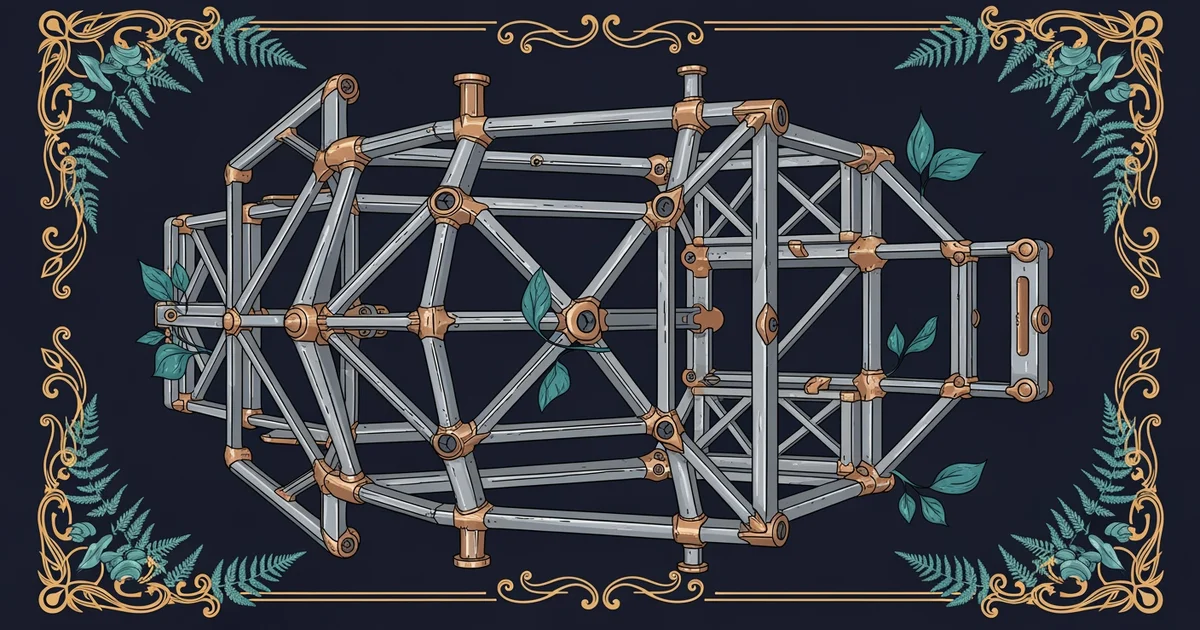
Designing for Comfort and Control
Designing a successful interface requires balancing mechanical strength with soft, flexible materials that touch the skin. The goal is to transfer force from the robot motors to your bones without causing pain or bruising. Think of this like buying a new pair of high-quality hiking boots for a long journey. If the boots are too loose, you will develop blisters, but if they are too tight, your blood flow will be restricted. Engineers use specialized foam padding to spread the pressure across a wider surface area of your body. By increasing the contact patch, the pressure on any single point remains low even when the robot lifts heavy objects. This approach prevents skin irritation and keeps the user comfortable during long periods of active operation.
Key term: Ergonomics — the scientific study of designing equipment to fit the human body for comfort and efficiency.
Effective interfaces rely on specific components to ensure the robot moves exactly when the human moves. These systems require precise alignment between the machine joints and the human joints to prevent dangerous torque. If the pivot point of the machine is off by even a few inches, the user will feel a painful tugging sensation. This is why engineers prioritize adjustable straps and modular frames that allow for individual body shapes. The interface must be stiff enough to transmit power but flexible enough to accommodate natural body sway. Without this balance, the machine becomes a burden rather than a useful tool for enhancing human physical capacity.
Managing Physical Interaction Forces
When we look at how these systems manage weight, we see a clear hierarchy of structural components. These parts work together to ensure the robot carries the load while the human provides the intent. The following list outlines the primary functions of a well-designed wearable harness:
- Load distribution pads spread the weight of the suit across large areas like the hips and shoulders to prevent localized pressure sores.
- Adjustable tension straps allow the user to tighten or loosen the fit based on their specific body structure and activity level.
- Flexible mesh linings increase airflow between the rigid frame and the skin to prevent overheating during intense physical exertion.
- Quick-release buckles enable the user to remove the entire system rapidly in the event of an emergency or system failure.
Engineers often use a table to compare different materials used for these interfaces to ensure they meet safety standards. The choice of material impacts both the weight of the suit and the comfort of the wearer during long shifts.
| Material | Primary Use | Key Benefit | Durability |
|---|---|---|---|
| Carbon fiber | Structural frame | Very lightweight | Extremely high |
| Memory foam | Padding layers | Pressure relief | Moderate |
| Nylon straps | Secure harness | High flexibility | High |
By selecting the right combination of these materials, designers can create a system that feels natural to the wearer. The interface acts as a bridge between your intention and the machine's mechanical output. When the bridge is built correctly, the machine becomes an extension of the body that moves with fluid grace. If the design is poor, the machine remains a clumsy obstacle that hinders more than it helps.
True ergonomic design transforms a rigid robotic frame into a comfortable extension of the human body by spreading forces across large surface areas.
But what does it look like in practice when these suits enter a busy factory floor?