
Urban Grid Retrofitting
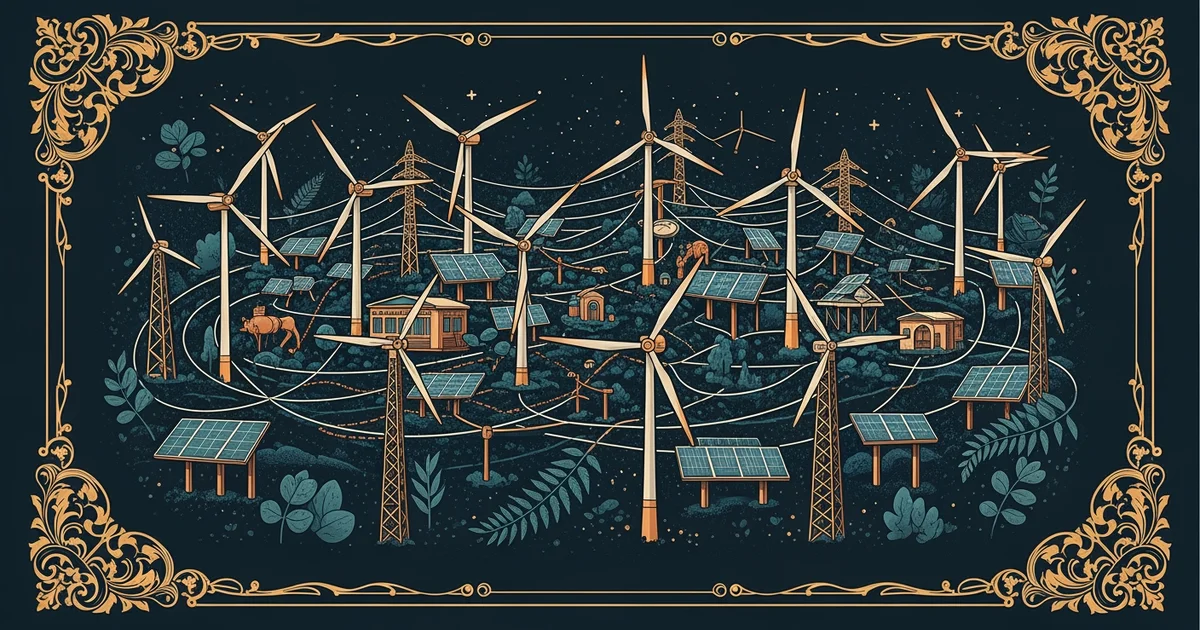
In 2012, the city of Copenhagen began replacing aging power lines to support a massive surge in rooftop solar energy production. This transformation required the city to rethink how its local electrical grid handled incoming power from thousands of individual homes. This is the concept of distributed generation from Station 10 working in real city conditions. The shift forces grid managers to move away from old, one-way power flow models. They now treat each rooftop as a miniature power plant that contributes to the larger whole.
Integrating Local Energy Sources
When cities retrofit their grids, they must ensure that local energy does not overwhelm the existing cables. Imagine a busy highway where every single driveway suddenly becomes an entrance for new, high-speed cars. If the main road cannot handle this extra traffic, the entire system grinds to a halt during peak hours. Engineers use smart inverters to manage this flow by adjusting voltage levels automatically. These devices act like traffic lights for electricity, ensuring that power from a home matches the grid requirements. Without this regulation, local solar panels could cause dangerous spikes that damage household appliances or grid hardware.
Cities often face challenges when trying to upgrade these outdated electrical networks for modern clean energy. The following table highlights common issues found during the retrofitting process and their technical solutions:
| Challenge | Description | Primary Solution |
|---|---|---|
| Voltage Swings | Solar power fluctuates based on cloud cover | Automated voltage regulation hardware |
| Data Latency | Old grids lack real-time monitoring sensors | Installing high-speed fiber optic networks |
| Load Balancing | Demand does not always match local production | Advanced battery storage integration units |
Managing Grid Stability and Demand
Once the hardware is in place, grid managers must focus on keeping the system stable at all times. They use advanced software to predict how much energy every neighborhood will likely produce or consume. This process relies on constant communication between the central utility office and individual solar-enabled houses. By gathering this data, cities can shift energy to where it is needed most without wasting excess production. This creates a balanced ecosystem where clean energy stays within the local area as much as possible.
Key term: Smart grid — an electrical network that uses digital technology to monitor and manage the transport of electricity from all generation sources.
Building a resilient urban grid requires a careful balance between central control and local autonomy. Cities must invest in digital tools that allow the grid to respond to changes in seconds rather than hours. This transition is not just about installing solar panels on rooftops, but about creating an intelligent network that can think for itself. When a neighborhood produces more energy than it consumes, the grid must decide whether to store that power or send it to a different district. This decision-making process is the heart of modern urban energy planning.
Engineers often use a phased approach to ensure the grid remains reliable during the transition period. They typically start by upgrading the substations that connect local neighborhoods to the main high-voltage lines. Once these hubs are ready, they slowly integrate individual rooftop systems into the broader digital network. This step-by-step method reduces the risk of city-wide blackouts while allowing for continuous improvements in efficiency. By focusing on these critical nodes first, cities can build a foundation that supports future growth without needing constant, expensive overhauls of the entire system.
Retrofitting urban grids requires transforming passive power distribution networks into intelligent systems that actively manage energy flow between individual producers and consumers.
But this model faces significant technical hurdles when local energy production exceeds the storage capacity of the existing city infrastructure.