
The Power Grid Basics
Imagine you flip a light switch and the bulb glows instantly across the room. You likely never think about the massive, complex machine working behind that simple wall action. Every time you power a device, you are tapping into a vast, interconnected web of energy. This system must balance supply and demand every single second of the day. Without this constant balancing act, our modern world would simply go dark for everyone.
The Architecture of Energy Delivery
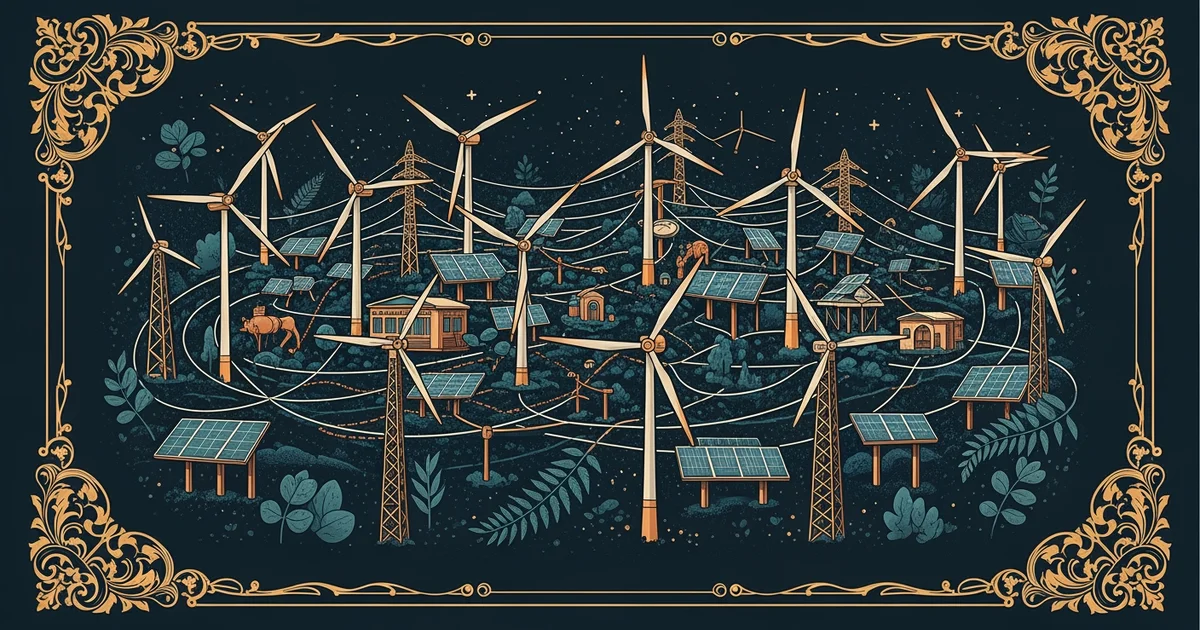
Modern power grids act like a massive, shared plumbing system for invisible electrical energy flow. Electricity originates at large power plants where massive turbines spin to create raw electrical current. This energy then travels through high-voltage transmission lines that span across entire states or countries. These lines are designed to carry power over long distances with very little energy loss. Once the electricity reaches your local area, it moves into smaller distribution networks for safe delivery. Think of this process like a highway system where large trucks move goods across regions. Eventually, those goods reach local roads where smaller delivery vans bring items to your home.
Key term: Electrical Grid — the complex network of power plants, transmission lines, and distribution systems that deliver electricity.
This delivery process requires strict control to ensure that voltage remains stable for your appliances. If the pressure in a water pipe becomes too high, the pipe might burst open. Similarly, if the electrical voltage in the grid spikes too high, your home electronics would break. Engineers use specialized equipment to monitor these levels and adjust the flow in real time. This ensures that the energy reaching your house matches what your devices need to function safely. By maintaining this delicate balance, the grid provides a reliable flow of power for every user.
Balancing Supply and Demand
Beyond moving power, the grid must constantly match the total energy produced with total consumption. Because electricity is difficult to store in large amounts, we must produce it as needed. When you turn on an air conditioner, the grid must instantly increase the total energy output. If the grid cannot keep up with this sudden demand, the entire system becomes unstable. Operators constantly watch these fluctuations to prevent outages or damage to the delicate electrical infrastructure.
| Component | Primary Function | Scale of Operation |
|---|---|---|
| Power Plant | Generating electricity | Regional or National |
| Transmission | Moving high voltage | Long-distance paths |
| Distribution | Final home delivery | Local neighborhood |
To manage these needs, the grid relies on a mixture of different energy sources today. Some plants provide a steady, constant base level of power that never turns off. Other sources act as flexible backups that can ramp up during the hottest afternoons. This mix of constant and flexible energy is what keeps our lights on reliably. As we move toward newer energy technologies, this balance becomes even more important for stability. Understanding how these parts interact is the first step toward building a cleaner future.
Everything in our society depends on this invisible, humming network of wires and control centers. We rely on it for heat, cooling, communication, and almost every activity in our daily lives. By learning how this system works, you can understand the challenges of modern energy transitions. This path will show you how we move from old systems to clean, renewable energy sources. You will gain the knowledge required to envision a global grid powered by sustainable natural resources.
Reliable electricity depends on a perfectly synchronized balance between energy production and the real-time consumption of users.
Understanding these grid foundations prepares us to explore how renewable sources will eventually replace traditional power generation methods.