
Supply Chain Logistics
When the 2021 global supply chain crisis stalled production lines, manufacturers learned that raw material flow defines economic survival. Moving heavy minerals from remote excavation pits to processing facilities remains the most complex hurdle in industrial logistics. This challenge represents the Logistics Infrastructure phase, where physical movement meets strict production schedules. Without reliable transport, even the most valuable ore deposits remain trapped in the ground as useless, stranded assets.
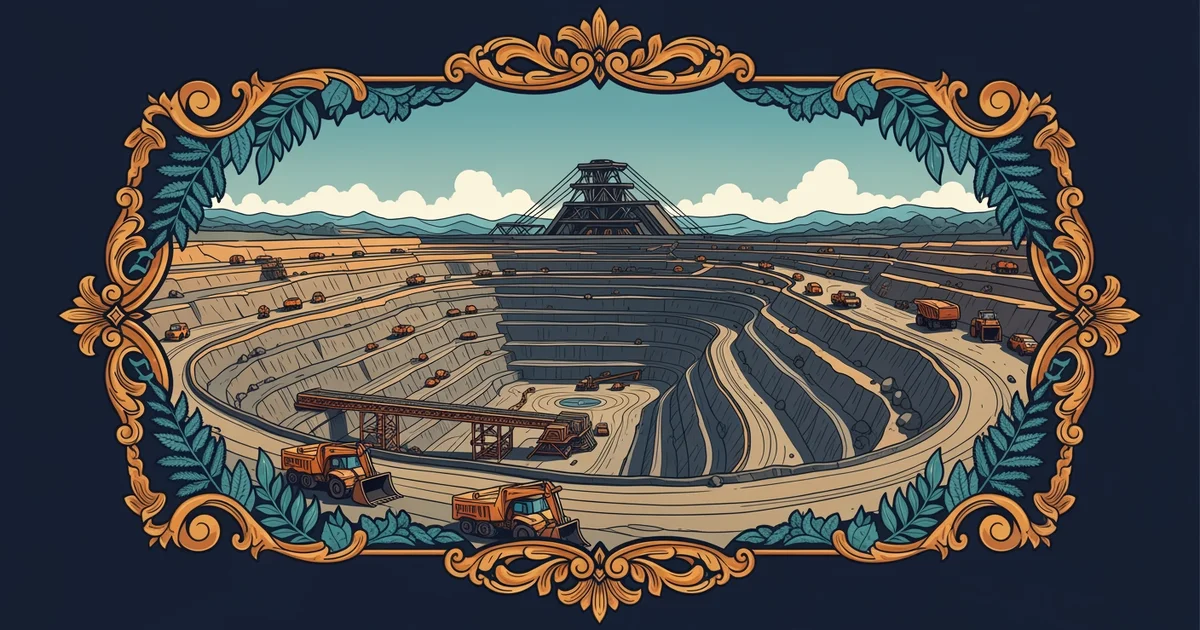
Navigating Remote Extraction Challenges
Moving raw materials from a remote site requires a precise balance of cost and speed. Most mining operations exist in isolated regions far from major shipping lanes or rail networks. Engineers must construct private roads or rail spurs to connect these sites to existing national infrastructure. This process resembles a capillary system in the human body, where small vessels must eventually feed into larger arteries to sustain the whole organism. If the initial connection fails, the entire extraction chain collapses regardless of how much material is waiting at the source.
Key term: Logistics Infrastructure — the physical and digital networks that allow for the efficient transport of materials from extraction zones to industrial refineries.
Heavy machinery must operate within specific constraints to ensure that materials reach the refinery on time. Planners use complex routing software to determine if trucks, trains, or conveyors offer the best value for specific terrain. They must also account for weather disruptions, which can turn simple dirt roads into impassable mud pits overnight. Every hour of delay adds to the total cost of production, making the selection of transport methods a critical financial decision for mine operators.
Optimizing Transport Systems
To manage these risks, companies often rely on a mix of transport methods that prioritize reliability over raw speed. The following table outlines the common trade-offs between different transport systems used in the mining industry today.
| System | Primary Benefit | Main Limitation | Best Use Case |
|---|---|---|---|
| Rail | High volume | Fixed routes | Long distance hauls |
| Truck | High flexibility | High fuel cost | Short, rough terrain |
| Conveyor | Low operating cost | High setup cost | Fixed, steady output |
Selecting the right system requires analyzing the total volume of ore and the distance to the refinery. A conveyor belt might cost millions to install but saves money over a decade of operation. Conversely, trucks provide immediate flexibility for new sites where the exact volume of ore remains uncertain. This flexibility allows engineers to adjust their strategy as they learn more about the deposit size, which is a core concept we explored in Station 12 regarding economic modeling.
Effective transport requires constant monitoring of the flow of materials to prevent bottlenecks. If a refinery receives too much ore at once, it cannot process the load, leading to expensive storage issues. If it receives too little, the expensive machinery sits idle while workers wait for supplies. This delicate balance requires real-time data tracking to adjust the speed of trucks or trains. Modern mining operations now use automated sensors to track every load from the moment it leaves the ground until it enters the refinery.
These automated systems provide a clear view of the entire pipeline, allowing managers to predict potential delays before they happen. By analyzing data from these sensors, companies can shift transport schedules to avoid peak traffic or bad weather. This proactive approach turns logistics from a simple cost center into a competitive advantage that keeps production moving. While the physical movement of ore is difficult, the digital coordination of these movements is what makes the entire process efficient and profitable for the modern mining firm.
Reliable logistics turn isolated raw materials into consistent industrial inputs by balancing transport costs against the need for steady production flow.
But this model faces significant pressure when global supply chains encounter sudden, unpredictable bottlenecks in international shipping lanes.