
Surface Mining Methodologies
Imagine you have a giant cake and need to remove the frosting without ruining the sponge base. Surface mining works in a similar way by peeling back layers of the earth to reach valuable materials hidden just below the surface. Engineers must choose the right method based on the shape and depth of the deposit to maximize efficiency while managing the surrounding terrain. This process requires careful planning to ensure that the extraction remains both profitable and safe for the entire operation.
Comparing Extraction Techniques
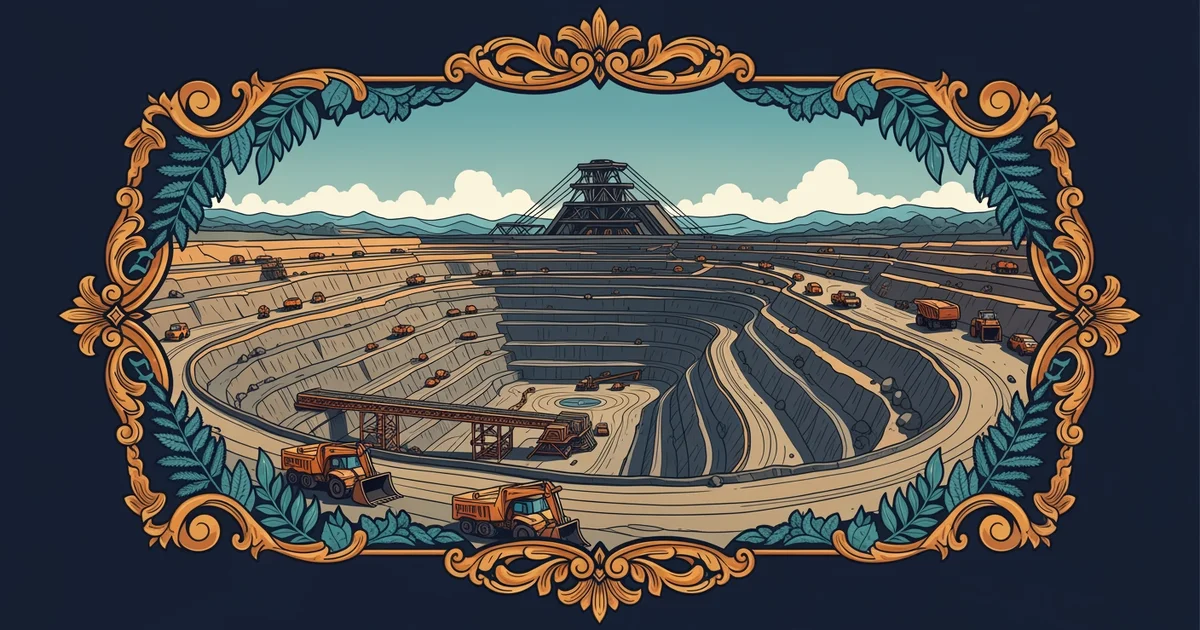
Surface mining is a broad term that covers several specific techniques used to reach mineral wealth. The two most common methods are open-pit mining and strip mining, which differ primarily in their geometry and scale. Open-pit mining involves creating a large, circular, or irregular hole that deepens as workers remove ore from the center. Strip mining, by contrast, involves removing long, parallel bands of soil and rock to expose a thin layer of coal or minerals located near the surface.
Think of these methods like eating through a layered dessert. Open-pit mining is like digging a deep hole into a round cake to reach a hidden center filling. Strip mining is like scraping away the long, rectangular layers of a sheet cake to get to the frosting hidden in the middle. Each method requires different machinery, such as massive shovels or draglines, to move the earth efficiently. Engineers select the specific approach based on the geological layout to ensure they extract the most material with the least amount of wasted effort.
Key term: Surface mining — the process of removing soil and rock layers to access valuable minerals located near the earth's surface.
Managing the Environmental Footprint
The environmental impact of these operations varies significantly based on the chosen methodology and the scale of the site. Open-pit operations often result in a permanent, deep void that requires careful management to prevent water contamination or slope instability after the project ends. Strip mining, while also disruptive, often allows for a more structured process of backfilling, where the removed soil is replaced to restore the original land contour once the extraction is complete.
| Feature | Open-Pit Mining | Strip Mining |
|---|---|---|
| Shape | Deep, circular hole | Long, parallel trenches |
| Material | Metallic ores | Coal and sedimentary beds |
| Restoration | Difficult to fill | Easier to reclaim soil |
These differences create unique challenges for mining engineers who must balance immediate production goals with long-term land stability requirements. When engineers design a mine, they account for the volume of overburden, which is the waste rock that sits above the target material. Managing this waste effectively is crucial for maintaining a safe workspace and minimizing the total footprint of the site on the surrounding ecosystem. The goal is to maximize the recovery of the resource while keeping the disturbance to the local landscape within strict, pre-approved limits.
Effective site management relies on following a precise sequence of operations to ensure safety and productivity remain high throughout the project life cycle:
- Clearing the surface vegetation to prepare the ground for heavy machinery movement.
- Removing the overburden using large-scale earthmoving equipment to expose the mineral deposit.
- Extracting the target ore or coal through systematic drilling and blasting or mechanical digging.
- Transporting the raw materials to processing facilities for further refinement and quality control.
- Reclaiming the land by replacing the overburden and planting native vegetation to restore the area.
By following these steps, engineers can mitigate the permanent damage caused by large-scale extraction activities. The choice between open-pit and strip mining depends on the specific geometry of the deposit and the final goals for the land after the minerals are gone. Engineering teams must constantly adapt their strategies to changing geological conditions and environmental regulations to ensure that mining remains a viable and responsible part of our global supply chain.
Selecting the correct surface mining method requires matching the geometric layout of the mineral deposit to the most efficient earth-moving technique while minimizing long-term ecological disruption.
The next Station introduces underground extraction systems, which determine how engineers reach deeper resources that are too far beneath the surface for open-pit or strip mining methods.