
Resource Processing Basics
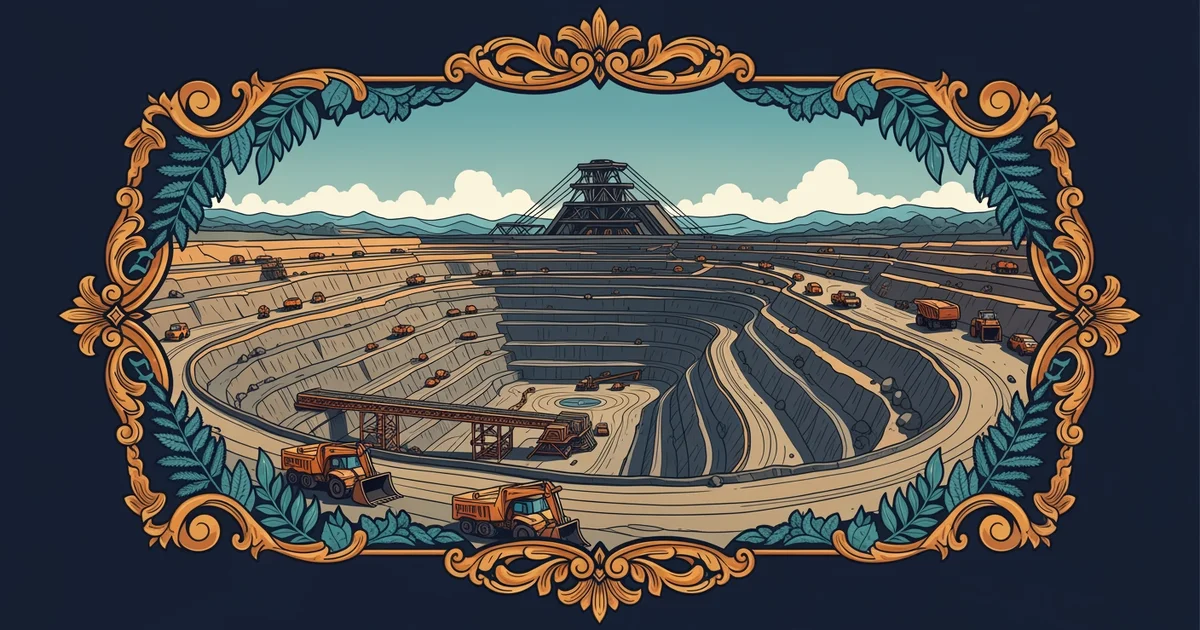
Imagine you have a large pile of mixed gravel and gold dust on your kitchen table. You must separate the heavy gold from the light rocks using only simple tools and basic physics. This scenario mirrors the daily challenge faced by modern mining operations. They dig up massive amounts of earth to find small bits of valuable metal. To reach these minerals, engineers design complex systems that sort through tons of waste rock. This process ensures that we extract every bit of value from the raw earth.
The Mechanical Breakdown of Ore
Before chemical separation can even begin, the raw material must be broken down into smaller, manageable pieces. Large rocks pulled from the earth are far too big for efficient chemical processing. Engineers use heavy crushers to smash these boulders into smaller chunks. Once the material is smaller, it moves into grinding mills that turn the rock into a fine powder. This process is like using a coffee grinder to turn whole beans into grounds for a better brew. By increasing the surface area of the rock, the machines expose more of the valuable mineral particles. This step is essential because it allows the chemicals to contact the metal more easily during the next phase.
Key term: Comminution — the industrial process of reducing large solid materials into smaller particles through mechanical crushing and grinding.
After grinding, the material enters a state where it is ready for active separation methods. The mixture of ground rock and water is called a slurry. This mixture flows through specialized tanks where engineers apply physical and chemical forces to separate the components. One common method involves adding specific chemicals that make the valuable minerals stick to air bubbles. As these bubbles rise to the surface, they carry the valuable material away from the heavy waste rock. This process effectively separates the treasure from the trash in a continuous flow.
Advanced Separation Techniques
When the slurry moves through the processing plant, engineers must choose the best method for the specific mineral type. The following list outlines the primary stages of the separation process that occur after initial grinding:
- Froth flotation uses chemical reagents to change the surface properties of minerals so they attach to air bubbles. This allows the valuable material to float to the top for collection while the waste sinks to the bottom.
- Gravity separation relies on the density difference between minerals and waste rock. Because valuable metals are often heavier than the surrounding stone, they settle faster when engineers shake or spin the slurry mixture.
- Magnetic separation takes advantage of the natural magnetic properties found in certain iron-based ores. By passing the slurry over strong magnets, engineers pull the magnetic minerals out of the mixture while leaving the non-magnetic waste behind.
These methods allow for high precision when working with low-grade ores that contain very little valuable material. By using these physical differences, engineers can recover metals that were previously considered impossible to extract.
| Separation Method | Primary Principle | Best Used For |
|---|---|---|
| Flotation | Surface Chemistry | Sulfide Minerals |
| Gravity | Density/Weight | Gold and Tin |
| Magnetic | Magnetic Force | Iron Ores |
Each of these techniques requires careful control of the slurry flow and chemical balance. If the mixture is too thick, the separation process slows down and loses efficiency. If the chemicals are not balanced correctly, the valuable minerals might remain trapped in the waste. Engineers constantly monitor sensors throughout the plant to ensure the system stays within its optimal range. This constant feedback loop ensures that the extraction process is both cost-effective and environmentally responsible. By refining these steps, we maximize the yield of essential materials that power our modern world.
The efficient separation of valuable minerals from waste rock relies on physical and chemical differences that allow us to isolate specific materials from vast quantities of raw earth.
The next Station introduces mining safety protocols, which determine how we protect workers during the complex extraction process.