
Environmental Impact Mitigation
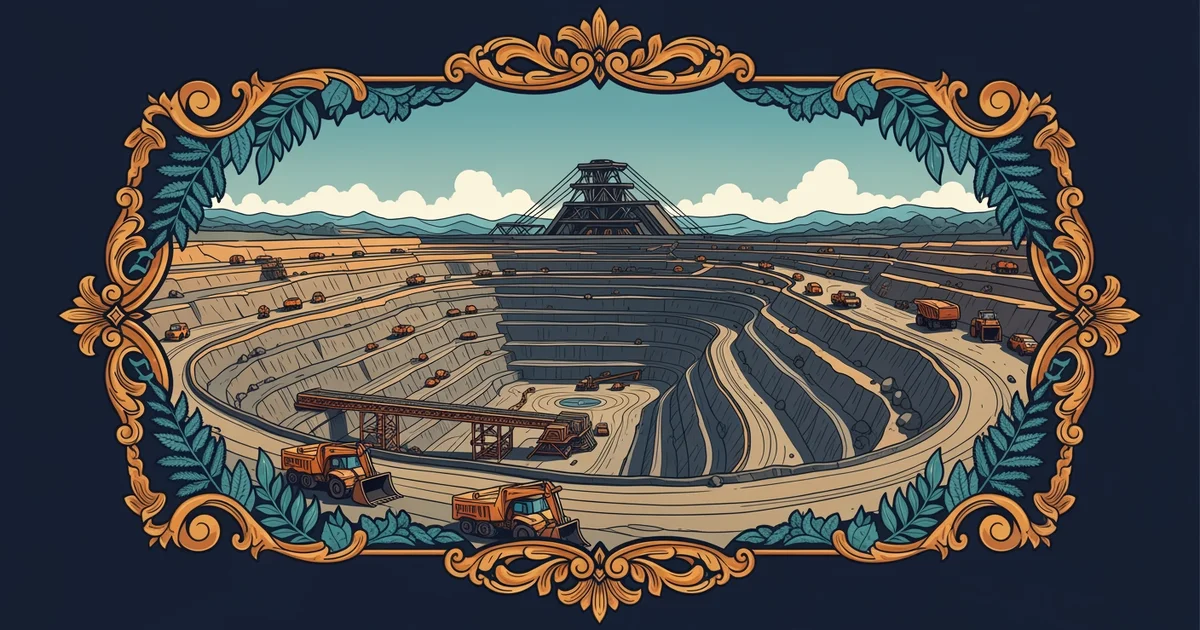
When the Berkeley Pit in Montana ceased copper extraction, the massive open-pit mine left behind a toxic legacy of acidic water that threatened local groundwater supplies. This environmental crisis acts like an overdrawn bank account where the debt of ecological damage must be repaid before the land can function again. Engineers and environmental scientists now treat these sites as complex systems requiring active land reclamation to stabilize soil and prevent chemical runoff. This process is not merely about planting grass but involves structural engineering to reshape the landscape into a stable, self-sustaining ecosystem that mimics the natural terrain found nearby. In the same way that a surgeon must carefully close an incision to ensure proper healing, mining companies must now design closure plans that account for long-term geological stability and water quality management.
Strategies for Ecological Restoration
Returning a site to its original state requires a multi-phased approach that begins long before the final ore is removed from the ground. Modern bioremediation techniques utilize specialized bacteria or native vegetation to neutralize heavy metals and filter pollutants from the soil naturally. By selecting plant species that thrive in harsh mining environments, engineers can create a protective vegetative cover that prevents erosion and absorbs excess minerals. This biological layer acts as a living filter, trapping sediment and preventing the leaching of toxic chemicals into the surrounding watershed. The goal is to establish a self-regulating cycle where the plants improve the soil quality, which in turn supports more complex life forms over time.
To ensure success, engineers must manage the physical and chemical properties of the site through a structured plan:
- Soil stabilization involves re-contouring steep slopes to prevent landslides and create a surface that can support new growth.
- Hydrological control requires building artificial wetlands or treatment ponds to capture and clean runoff water before it leaves the property.
- Waste management focuses on covering toxic tailings with layers of clay or synthetic liners to isolate harmful materials from the environment.
These steps ensure that the land is not just covered up but is actively recovering its ability to support local wildlife and water cycles. Each component works in tandem to reduce the long-term liability of the mine site while promoting natural recovery.
Managing Long-Term Site Stability
Once the primary reclamation work is finished, the site enters a monitoring phase to ensure that the ecological systems remain healthy and stable. Environmental sensors and satellite imagery track vegetation growth and water quality, providing data that helps engineers adjust their strategies if conditions change unexpectedly. This ongoing maintenance is similar to a long-term maintenance contract on a building, where regular inspections identify minor issues before they become major structural failures. The use of advanced robotics and autonomous drones allows teams to monitor remote or dangerous areas without risking human safety. This data-driven approach ensures that the restoration efforts are meeting performance standards and that the environment is truly healing according to the original project goals.
| Restoration Phase | Primary Activity | Expected Outcome |
|---|---|---|
| Earthworks | Re-contouring land | Structural stability |
| Soil Amendment | Adding nutrients | Plant growth support |
| Hydrological | Water treatment | Clean discharge |
Key term: Tailings — the leftover waste material from mining operations that often contains crushed rock and chemical residues requiring careful isolation to prevent environmental contamination.
This systematic approach proves that engineering and biology can work together to undo the damage caused by resource extraction. By planning for the end of the mine life at the very beginning, companies can ensure that the land remains a valuable asset for future generations rather than a permanent environmental hazard.
Successful land reclamation transforms exhausted mining sites into stable ecosystems by integrating biological restoration with precise structural engineering and long-term water management.
But this model of restoration remains difficult to implement when the economic costs of long-term site maintenance exceed the available funds set aside by the mining companies.