
Heat Exchanger Efficiency
Imagine your home is a busy highway where heat energy constantly tries to escape outdoors. To keep your living space comfortable, your heating system must swap thermal energy between indoor and outdoor air streams efficiently. This process happens inside a critical component known as the heat exchanger, which acts like a gatekeeper for energy. If this metal barrier fails to move heat quickly, your furnace works harder while your energy bills climb higher. Understanding how metal surfaces transfer thermal energy is the first step toward mastering climate control.
The Physics of Thermal Transfer
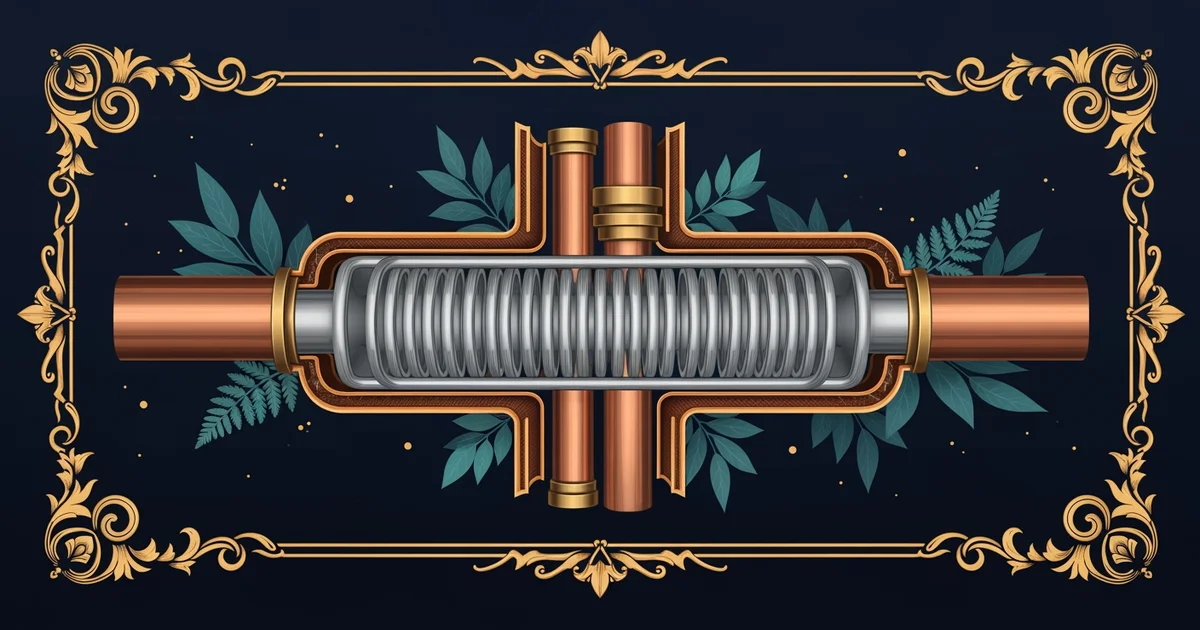
When two substances at different temperatures touch, thermal energy naturally flows from the hot side to the cold side. A heat exchanger facilitates this movement by using a thin wall of metal to separate two distinct air paths. Because metal conducts thermal energy much better than air, it allows heat to pass through the barrier without letting the air streams mix. This process resembles a busy restaurant kitchen where waiters pass hot plates through a service window to customers. The window represents the metal wall, while the hot plates represent the energy moving between the two separate dining areas.
To maximize this heat movement, engineers design these metal barriers to be as thin as possible. Thinner walls shorten the distance heat must travel, which increases the speed of the transfer process. However, the metal must remain strong enough to withstand the pressure of the moving air. If the barrier becomes too thin, it might crack under stress or allow dangerous gases to leak into your home. Balancing durability with thinness is a major challenge for engineers building modern heating and cooling hardware.
Optimizing Surface Area and Flow
Beyond the thickness of the metal, the total amount of surface area plays a massive role in system performance. A larger surface area provides more room for thermal energy to jump from one side to the other. Engineers often add fins or ridges to the metal surfaces to increase this contact area significantly. These small additions act like extra lanes on a highway, allowing more energy to move through the system at the same time. Without these features, the heat exchanger would need to be much larger to achieve the same results.
Efficiency depends on several factors that determine how well the system performs under varying conditions:
- Surface geometry determines how much metal contacts the air, as complex shapes increase the total area available for heat transfer without increasing the physical size of the unit.
- Airflow velocity controls how long the air stays in contact with the metal, because faster air speeds require higher turbulence to ensure the heat actually touches the surface.
- Material conductivity dictates the speed at which the metal moves heat, as certain alloys allow thermal energy to travel through the wall much faster than others.
By carefully adjusting these variables, engineers ensure that your home stays warm even when the outdoor weather is freezing. The shape of the metal channels also forces the air to tumble and swirl, which helps push more heat toward the walls. This turbulence is essential because air that moves in a smooth, straight line often insulates itself from the metal surface. By forcing the air to mix, the system ensures that every molecule has a chance to drop off its thermal energy before moving on.
Key term: Thermal conductivity — the ability of a material to transfer heat energy through its structure from a warmer region to a cooler one.
When the system is running, the difference in temperature between the two sides also matters a great deal. A larger temperature gap forces the heat to move across the metal barrier with greater intensity. If the indoor air is very cold and the furnace air is very hot, the heat exchanger works at its peak capacity. As the house warms up and the temperature gap shrinks, the rate of transfer naturally slows down. This self-regulating behavior is a fundamental part of how mechanical systems maintain a steady climate without constant human intervention.
Efficient heat exchange relies on maximizing surface area and thermal conductivity to ensure energy moves through metal barriers before the air escapes the system.
But what does it look like in practice when we need to move that air through the system using mechanical force?