
Compressor Mechanics
Imagine you are trying to squeeze a large, fluffy pillow into a tiny shoebox. You must push down hard with both hands to make the material fit inside the small space. This physical struggle is exactly what happens inside your home cooling system when the air gets too warm. The system relies on a specific device to manage the state of the refrigerant gas circulating through your walls. Without this component, the cooling process would fail to move heat effectively from your living room to the outside world.
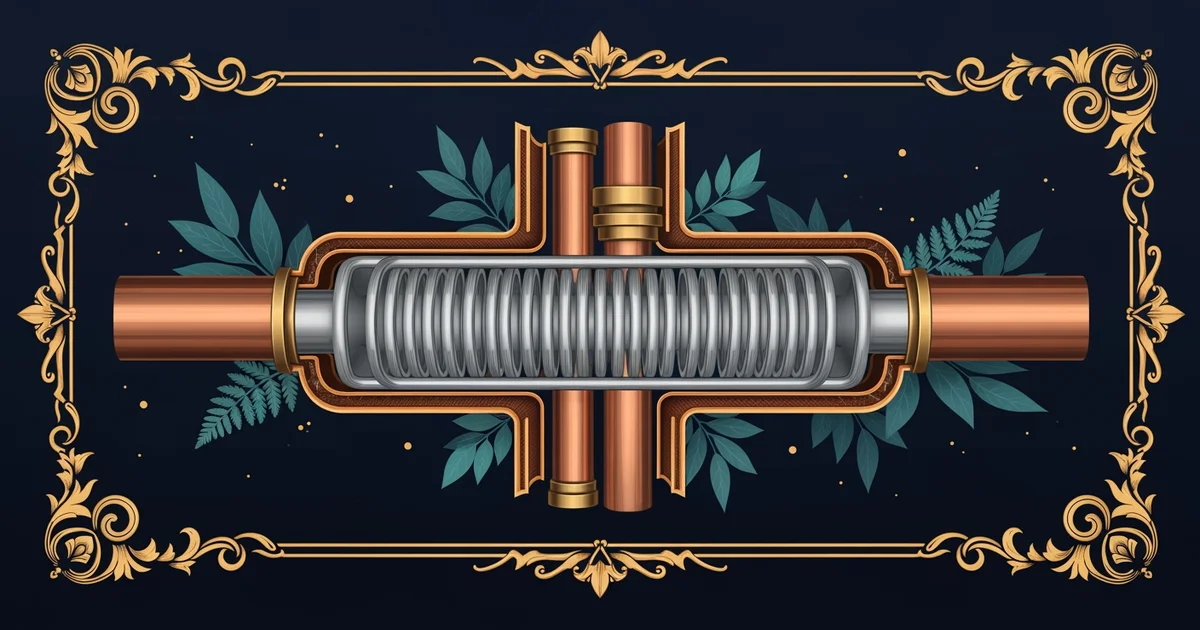
The Role of the Compressor in Thermal Transfer
Your cooling system functions by moving heat energy from the indoor air to the outdoor environment. The compressor acts as the mechanical heart of this entire cooling cycle. It draws in low-pressure refrigerant gas and forces it into a much smaller volume. By shrinking the space available for the gas, the machine forces the molecules to collide with each other more often. These frequent collisions generate a significant amount of heat while raising the pressure of the gas. This process is similar to how a bicycle pump feels hot after you fill a tire. The mechanical work of pumping gas requires a steady supply of electricity to function correctly.
Key term: Compressor — the mechanical pump that increases the pressure and temperature of refrigerant gas to facilitate heat transfer.
Once the gas reaches a high pressure, it travels toward the outdoor coils to release its heat. Because the gas is now much hotter than the outdoor air, the heat naturally flows outward. This transition from a low-pressure state to a high-pressure state is the primary reason the system can move energy uphill. Without this pressure increase, the heat would remain trapped inside your home regardless of the outdoor temperature. The system maintains a constant loop by pulling in cool gas and pushing out hot gas. This cycle repeats until your home reaches the target temperature set on your wall thermostat.
Mechanical Dynamics and System Efficiency
To understand how these parts interact, consider the flow of refrigerant through the major cooling components. Each part serves a unique purpose in maintaining the climate inside your house. The following table outlines the state of the refrigerant as it moves through these critical stages of the mechanical cooling loop:
| Component | Action Performed | State of Refrigerant | Resulting Effect |
|---|---|---|---|
| Evaporator | Absorbs indoor heat | Low pressure liquid | Cools indoor air |
| Compressor | Squeezes the gas | High pressure vapor | Increases temperature |
| Condenser | Releases outdoor heat | High pressure vapor | Cools the refrigerant |
| Expansion Valve | Drops the pressure | Low pressure liquid | Prepares for absorption |
This movement requires precise coordination between the electrical sensors and the mechanical pump. If the compressor fails to create enough pressure, the refrigerant cannot release its heat to the outside air. The system then struggles to remove moisture or lower the indoor temperature effectively. You might notice the machine running for long periods without making the room feel cooler. This usually indicates that the mechanical pump is working harder than it should to compensate for the pressure loss. Proper maintenance ensures that the pump remains efficient and prevents the system from drawing too much electricity during hot days.
When the system functions as designed, the compressor stops once the indoor temperature matches your settings. It waits for the sensor to detect a rise in heat before starting the cycle again. This stop-and-start pattern saves energy while keeping your living space comfortable throughout the day. The reliability of this component determines how long your cooling system will last over many years of use. Understanding these mechanical steps helps you appreciate the complex engineering hidden behind your vents. Your home remains a comfortable sanctuary because these machines work silently to manage the invisible flow of heat energy.
Modern cooling systems rely on the compressor to force refrigerant into a high-pressure state so that heat can be effectively moved from inside the home to the outside.
But what does the actual process of releasing that heat look like in practice?
Want this with sources you can check?
Premium Learning Paths for Engineering & Robotics are researched against open-access libraries — PubMed, arXiv, government databases, and more — with their distinctive claims cited to real sources and independently checked.
See what Premium includes