
Airflow and Ductwork Basics
Imagine you walk into a room on a hot day and feel a cool breeze instantly. This comfort does not happen by magic, but through a hidden network of metal pathways inside your walls. Your home acts like a giant living organism that needs to move air to stay healthy and pleasant. Just as your blood vessels carry oxygen to your muscles, your house uses a complex system to deliver climate-controlled air to every corner. Understanding how this air moves is the first step toward mastering the comfort of your own living space.
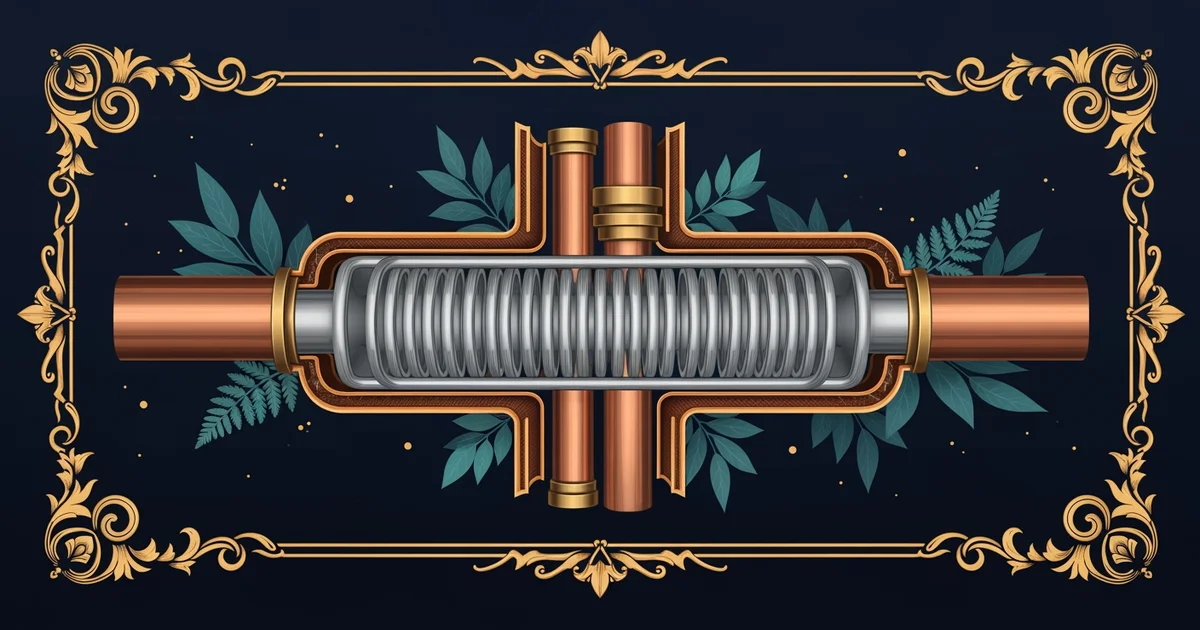
The Anatomy of Air Distribution
To move air from the furnace or air conditioner into your rooms, engineers design a series of hollow metal tunnels called ductwork. These ducts usually hide behind your ceiling or inside your floorboards, acting as the primary transit system for your climate control needs. Air starts its journey at the blower fan, which pushes conditioned air through the main trunk line. This large central pipe eventually branches off into smaller paths that reach individual rooms. Without these structured channels, your heating system would simply dump warm air in one spot, leaving the rest of the house cold and stagnant.
Think of your home ductwork like a major highway system designed for traffic flow. The main trunk line serves as the wide interstate that carries the bulk of the vehicle volume through the region. Smaller branch ducts represent the local roads that exit the highway to reach specific neighborhoods or houses. If the highway is blocked or the local roads are too narrow, the air cannot reach its final destination in a timely manner. Proper design ensures that every room receives enough air to maintain the temperature you set on your thermostat.
Key term: Ductwork — the network of metal or plastic tubes used to distribute conditioned air throughout a building.
Managing Pressure and Efficiency
Efficient air movement depends on more than just the size of the pipes; it relies heavily on maintaining the correct internal pressure. When the blower fan pushes air through the ducts, the system must balance the supply of air with the return of air. Your home uses return vents to suck stale air back into the system so it can be filtered and reconditioned. If the return vents are blocked by furniture or dust, the system struggles to pull air back, which creates a vacuum effect. This imbalance forces your equipment to work much harder while delivering less comfort to the people inside.
To keep this system running smoothly, you must consider the following factors that influence how air travels through your home:
- Duct sizing determines the volume of air that can move through the system without creating excessive noise or restriction.
- Joint sealing prevents air leaks that waste energy by venting expensive conditioned air into your attic or crawl space instead of your rooms.
- Filter maintenance ensures that the air passing through the metal tunnels remains clean and free of debris that could clog the internal pathways.
| Component | Primary Function | Impact on Comfort |
|---|---|---|
| Blower Fan | Moves air volume | Drives overall circulation |
| Trunk Line | Distributes main flow | Sets base air pressure |
| Return Vent | Recycles stale air | Allows continuous cycle |
By managing these components, homeowners ensure that their climate control system operates as intended. The goal is a steady, quiet flow that keeps every room at the same temperature throughout the day. When the balance is correct, you never even notice that the system is working to keep you comfortable. Understanding these basics allows you to troubleshoot minor issues before they become major problems for your household equipment.
Modern home comfort relies on a balanced network of ducts that moves conditioned air through a cycle of supply and return.
Next, we will explore the laws of thermodynamics that explain how heating systems change the temperature of the air moving through these ducts.