
Capstone Project
Imagine you have a perfect digital clone of your bicycle that predicts exactly when a tire might go flat. Engineers use this same logic to build a virtual version of a busy factory floor to stop problems before they occur. By creating a digital twin, teams can test changes on a screen without risking expensive equipment or stopping actual production lines. This process turns abstract data into a clear map that guides every decision in a modern manufacturing facility.
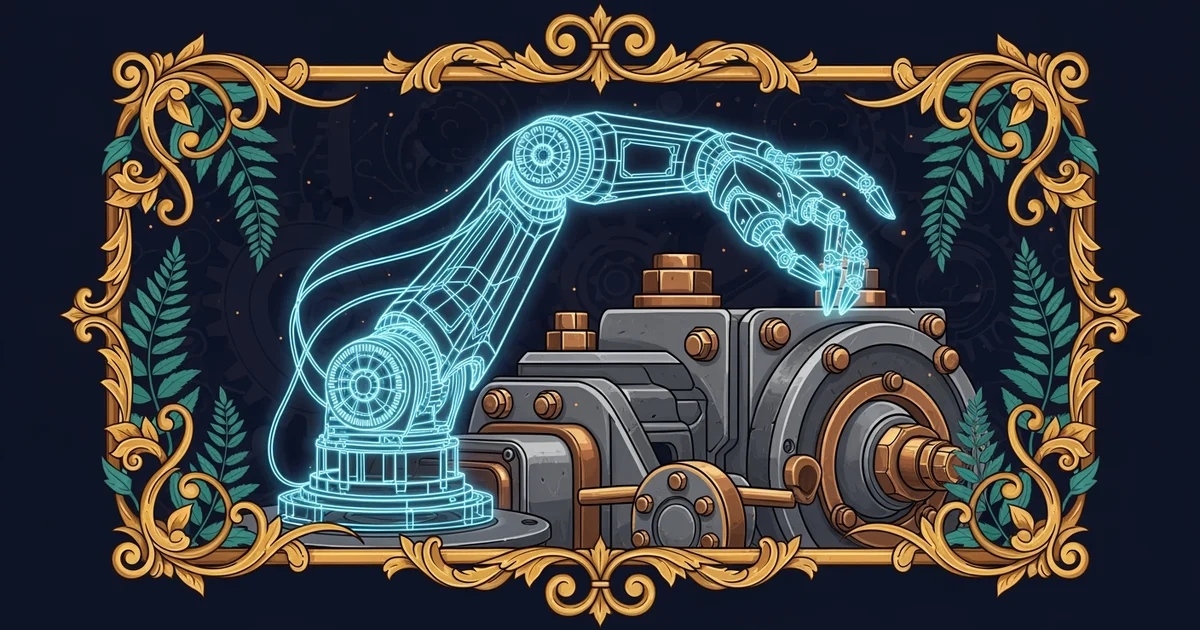
Designing the Virtual Architecture
To build a working model, you must first gather real-time data from sensors placed on your machines. These sensors track heat, speed, and vibration to show how the hardware behaves under different daily workloads. You then feed this information into a simulation program that mimics the physical world with high precision. Think of this like a flight simulator that pilots use to practice tricky landings without ever leaving the ground. Just as a pilot learns to handle storms from a safe cockpit, factory managers learn to handle mechanical failures from a digital dashboard.
Key term: Digital twin — a dynamic virtual model that continuously updates using data from physical assets to predict performance.
Once the basic model is running, you need to link the virtual components to the physical ones. This creates a feedback loop where the twin reports status updates and the factory adjusts its operations accordingly. You must ensure that the data flow remains constant so the model stays accurate over time. If the data connection drops, your digital twin becomes a static picture rather than a live representation of your factory. Maintaining this link is essential for the system to provide useful insights during complex manufacturing tasks.
Implementing the Strategy
When you start your capstone project, you must define the specific goals for your virtual model. You should decide if you want to track energy use, predict tool wear, or optimize the flow of materials. Creating a clear plan prevents you from getting lost in unnecessary data that does not improve your final output. You can organize your implementation steps to ensure that you cover every vital aspect of the production process in your design.
- Identify critical machines that require constant monitoring to prevent expensive downtime during peak production hours.
- Install reliable sensors to capture performance metrics like temperature, pressure, and cycle speed for each machine.
- Build a central data hub that processes incoming signals and updates the virtual model in real time.
- Design user dashboards that translate complex technical data into simple visual alerts for the human operators.
- Run test simulations to compare virtual predictions against actual machine behavior to verify your model accuracy.
By following these steps, you build a robust system that grows alongside your factory capabilities. You can see how this approach addresses the foundation question by showing that a virtual mirror allows for testing scenarios that would be too risky in reality. This project combines the lessons from earlier stations regarding data scaling and robotic precision to create a unified system. The tension between needing high detail and maintaining system speed remains a challenge for modern engineers who want perfect models. You now have a complete understanding of how to bridge the gap between physical hardware and digital insight for better manufacturing.
A digital twin acts as a predictive testing ground that allows engineers to solve complex mechanical problems in a virtual space before applying them to physical production lines.
Building a digital twin creates a powerful tool that transforms raw factory data into actionable intelligence for long-term operational success.