
Defining the Digital Twin
Imagine a pilot flying a plane while looking only at a static, paper map from ten years ago. You would never trust that pilot with your safety because the real world changes every single second. Modern manufacturing faces this exact same problem when factory managers make decisions based on outdated reports or guesses. A digital twin solves this by acting as a living, breathing virtual copy of the physical factory floor. It updates constantly to show exactly what happens inside the plant in real time.
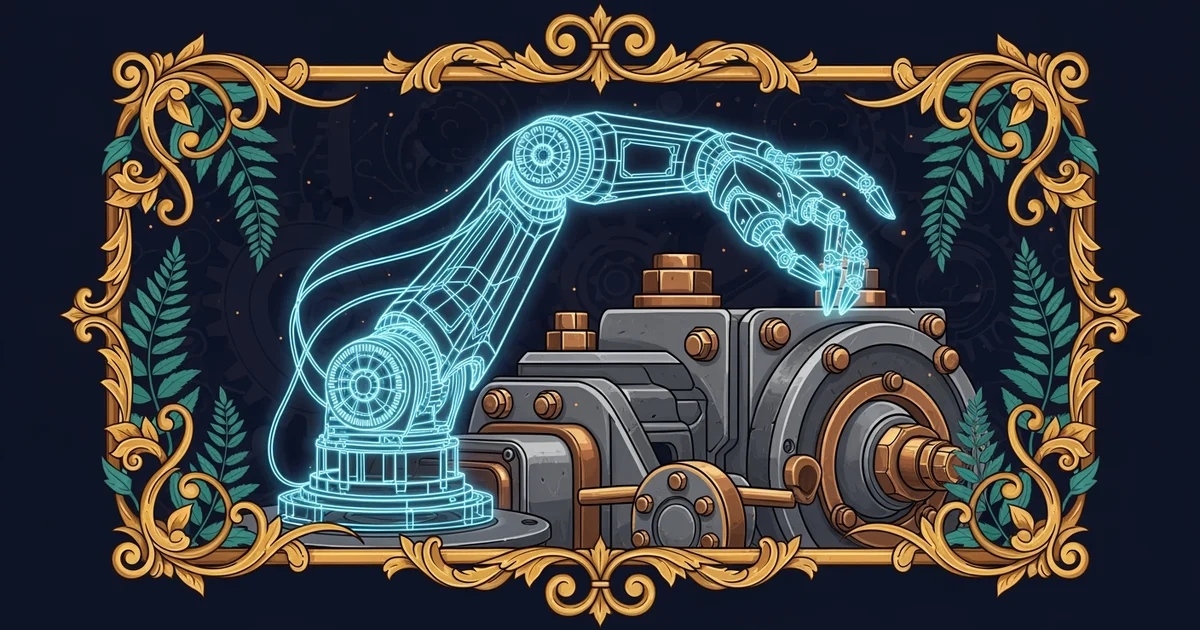
The Anatomy of a Digital Twin
A digital twin is a dynamic software model that mirrors a physical object or a complex system. It collects data from sensors attached to real machines to understand their current state and performance levels. Think of it like a high-stakes video game where the movements on your screen perfectly match real actions. If a machine vibrates too much or slows down, the digital version reflects that change immediately. This connection allows engineers to see problems before they cause a total breakdown in the factory.
Key term: Digital twin — a virtual representation of a physical system that updates with live data to mirror its status.
By using this technology, companies stop relying on guesswork and start using hard evidence for planning. The digital model acts as a sandbox where teams can test new ideas without risking expensive equipment. If you want to change the speed of a conveyor belt, you run the simulation first. You can observe the results in the virtual space to ensure the process remains safe and efficient. This removes the fear of making costly errors that might halt production lines for several days.
Why Virtual Mirrors Matter
The value of this technology lies in its ability to predict the future of the factory. By looking at trends in the data, the system can warn teams about parts that might fail. This proactive approach saves time and money because repairs happen during scheduled breaks instead of emergencies. The following table outlines how a digital twin compares to traditional methods of managing a factory floor.
| Feature | Traditional Management | Digital Twin Approach |
|---|---|---|
| Data Source | Manual logs and reports | Real-time sensor streams |
| Decision Speed | Slow and reactive | Instant and predictive |
| Risk Level | High for new changes | Low due to simulation |
These differences show why industries are shifting toward digital models for their daily operations. When you have a perfect copy of your factory, you gain total control over your output. You no longer have to wonder if a machine is working at its peak potential. You can simply look at the digital dashboard to confirm that everything is running exactly as planned.
- Sensor Integration: The process starts by placing smart sensors on every critical machine in the factory.
- Data Transmission: These sensors send constant updates to a central server that hosts the digital model.
- Virtual Analysis: The software processes this incoming information to update the state of the digital twin.
- Actionable Insights: Managers review these updates to make informed decisions about maintenance and production schedules.
Following this path will show you how these virtual tools transform raw data into massive industrial efficiency. You will learn the history of this tech and how to build your own models.