
Physical vs Digital Worlds
Imagine you walk into your kitchen to find a perfect, glowing hologram of your refrigerator. This virtual image updates every second to show the exact temperature and the status of every item inside. You can see which milk carton is nearing its expiration date without ever opening the heavy door. This is how a modern factory operates when it uses a digital twin to monitor its physical assets. By creating a real-time virtual replica of the factory floor, engineers can observe the mechanical health of machines from anywhere in the world. This bridge between the physical and digital realms allows for precise control over complex systems that would otherwise remain hidden from view.
Understanding the Virtual Mirror
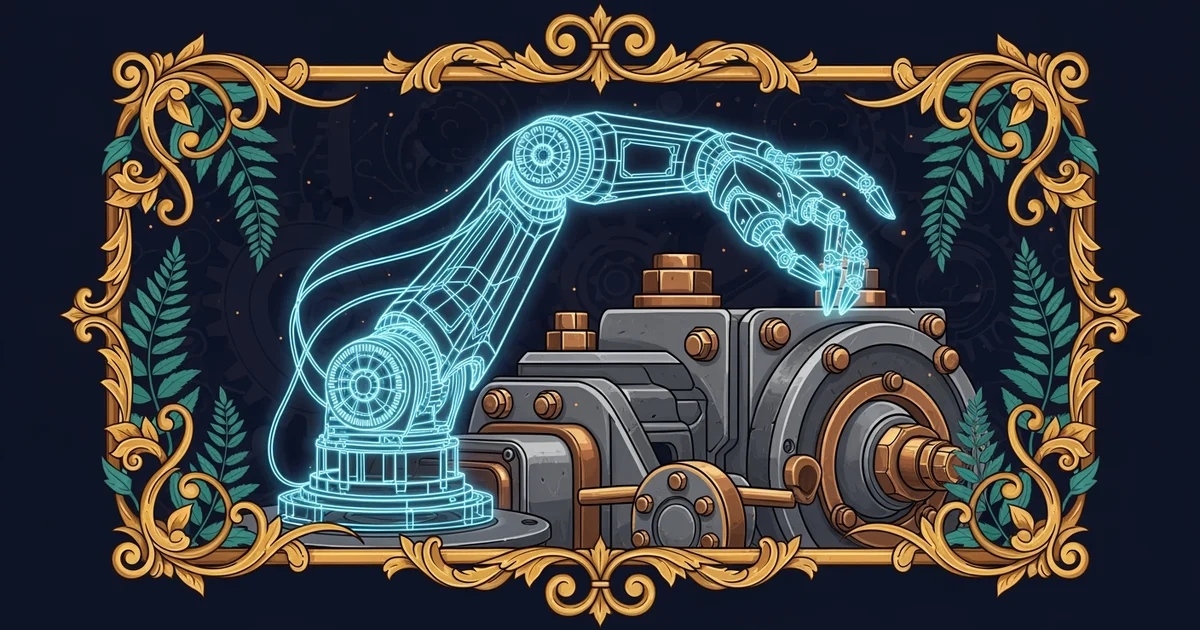
When we talk about a digital twin, we are describing a dynamic software model that mirrors a physical object. This model does not just look like the machine; it behaves like the machine by processing incoming sensor data. Think of it like a flight simulator for a specific piece of industrial equipment. If a physical robotic arm starts to vibrate too much, the digital version detects this change immediately. The system then alerts operators before a mechanical failure actually occurs on the floor. This proactive approach saves companies immense amounts of money by preventing unplanned downtime and expensive emergency repairs.
Key term: Digital twin — a virtual representation that serves as the real-time digital counterpart of a physical object or system.
Engineers build these models by mapping every physical component to a corresponding digital data point. This ensures that the virtual environment remains accurate to the current state of the factory floor. If a sensor reports a temperature spike in a motor, the digital twin reflects that heat in its simulation. This constant stream of information creates a feedback loop between the two worlds. By relying on this data, managers can test new production schedules without risking the actual hardware.
Comparing Physical and Digital Assets
To understand the differences between these two environments, we must look at how they manage resources and information. Physical assets are subject to the laws of physics, meaning they experience wear, friction, and heat over time. Digital assets, however, exist as lines of code that can be copied, modified, and simulated infinitely without any physical degradation. The following table highlights how these two worlds differ in their core characteristics during the daily manufacturing process.
| Attribute | Physical Asset | Digital Asset |
|---|---|---|
| Durability | Subject to wear and tear | Immune to physical aging |
| Visibility | Limited to direct inspection | Accessible from remote locations |
| Testing | Risks damage to hardware | Safe for unlimited simulations |
| Response | Requires manual intervention | Enables automated adjustments |
This comparison shows why companies invest so heavily in digital modeling technology today. By moving the trial-and-error process into the virtual world, factories avoid the costly mistakes that happen during physical testing.
When we compare these two domains, it becomes clear that they serve different but complementary roles. The physical world provides the tangible output, while the digital world provides the intelligence needed to optimize that output. You cannot have a high-performing factory without the physical machines, but you also cannot achieve peak efficiency without the digital twin guiding your decisions. This synergy allows manufacturers to push the limits of what their equipment can handle. By integrating these systems, they turn raw mechanical energy into a precise and predictable production flow.
A digital twin acts as a bridge that translates physical machine behavior into actionable data for better decision-making.
Next, we will explore how data input streams provide the necessary information to keep these digital models accurate and up to date.