
Data Input Streams
Imagine a factory floor where machines talk to each other to prevent sudden breakdowns before they happen. This constant stream of information acts like a nervous system for modern industrial manufacturing equipment.
The Role of IoT Sensors
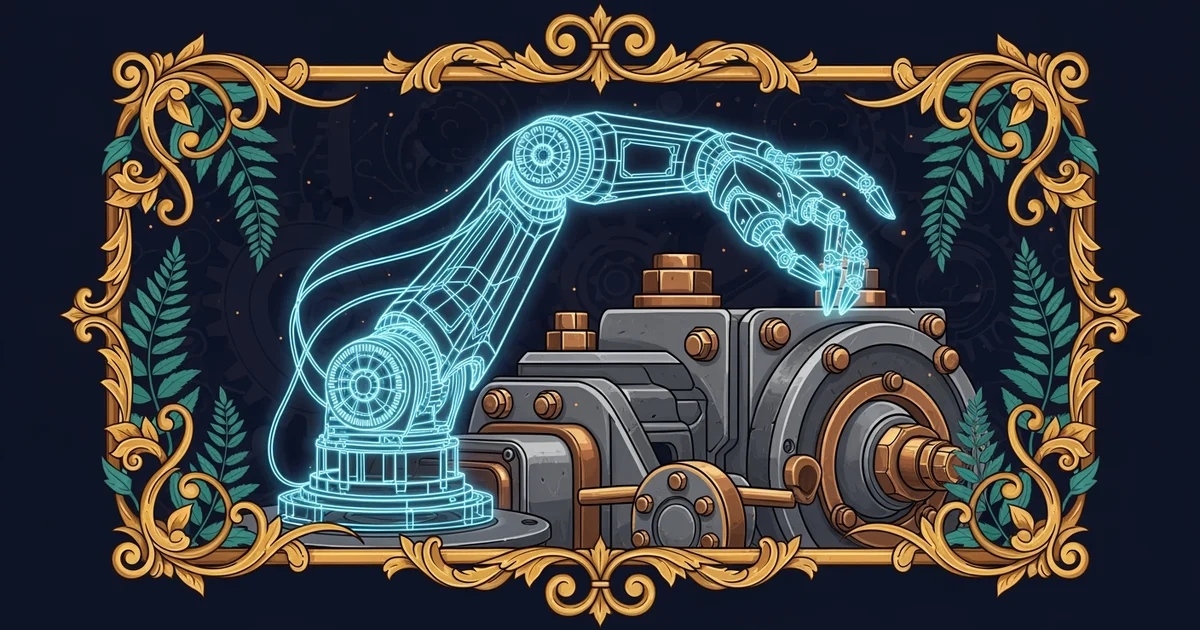
To build a digital twin, we must first capture the physical reality of a machine through IoT sensors. These tiny devices sit on motors, gears, and cooling systems to measure heat, vibration, and speed in real time. Think of these sensors like the five senses of a human body, constantly sending signals to the brain about the surrounding environment. Without these constant inputs, a digital model remains a static image rather than a living, breathing replica of the factory. By converting physical movement into digital packets, engineers gain a clear view of machine health without needing to stand directly next to the spinning gears.
Key term: IoT sensors — electronic hardware devices that collect environmental data from physical machinery and transmit that information to a digital system.
These sensors transmit data through a local network into a central hub for processing and analysis. When a motor vibrates slightly more than normal, the sensor detects this change and sends an alert to the model. This allows maintenance teams to fix a part before it actually breaks down during a busy production shift. The speed of this data flow determines how accurate the virtual mirror remains throughout the entire working day. If the data arrives too slowly, the digital twin loses its synchronization with the actual physical machine on the factory floor.
Data Streams and Machine Health
Once the sensors gather raw data, the system organizes these inputs into structured streams for better processing. We can categorize the most common types of sensor inputs based on the specific physical properties they monitor during the daily operation cycle:
- Thermal sensors track heat levels to ensure that motors operate within safe temperature ranges to prevent fire hazards.
- Acoustic sensors monitor sound frequencies to detect grinding noises that indicate internal wear or failing ball bearings.
- Pressure sensors measure fluid force in hydraulic lines to identify leaks or blockages that slow down production speed.
These streams act like the steady flow of blood through veins, carrying vital information to the organs that need it most. If a sensor reports a pressure spike, the digital model immediately simulates the impact of that pressure on the entire machine. This simulation helps engineers predict if the spike will cause a total system failure or just a temporary pause. By analyzing these streams, companies save money by replacing parts only when they show real signs of wear. This approach replaces the old method of replacing parts on a fixed schedule, which often wastes perfectly good equipment.
| Sensor Type | Physical Metric | Primary Purpose |
|---|---|---|
| Thermal | Temperature | Prevent overheating |
| Acoustic | Sound Waves | Identify mechanical wear |
| Pressure | Fluid Force | Detect system leaks |
Using this data, the digital twin provides a visual dashboard that displays the health of every single machine at once. Operators look at this screen to decide which machines require immediate attention and which ones can continue running. This transition from guessing to knowing changes how factories operate on a daily basis. The digital twin does not just record history, but it actively shapes the future of the production line by highlighting risks. As sensors become cheaper and more precise, the detail of these digital models will continue to grow.
Digital twin modeling relies on high-quality sensor data to bridge the gap between physical machine performance and virtual simulation accuracy.
The next Station introduces Modeling Software Tools, which determines how data streams are processed and visualized.