
Ethics of Enhancement
Imagine a world where your physical limits are merely suggestions rather than hard boundaries for your daily life. If you could upgrade your own body with robotic parts to run faster or lift heavier, would you do it? This question sits at the center of modern engineering, as we move from simple repair to active enhancement. We must now decide where the human body ends and the machine begins, balancing our natural biology with the promise of artificial power.
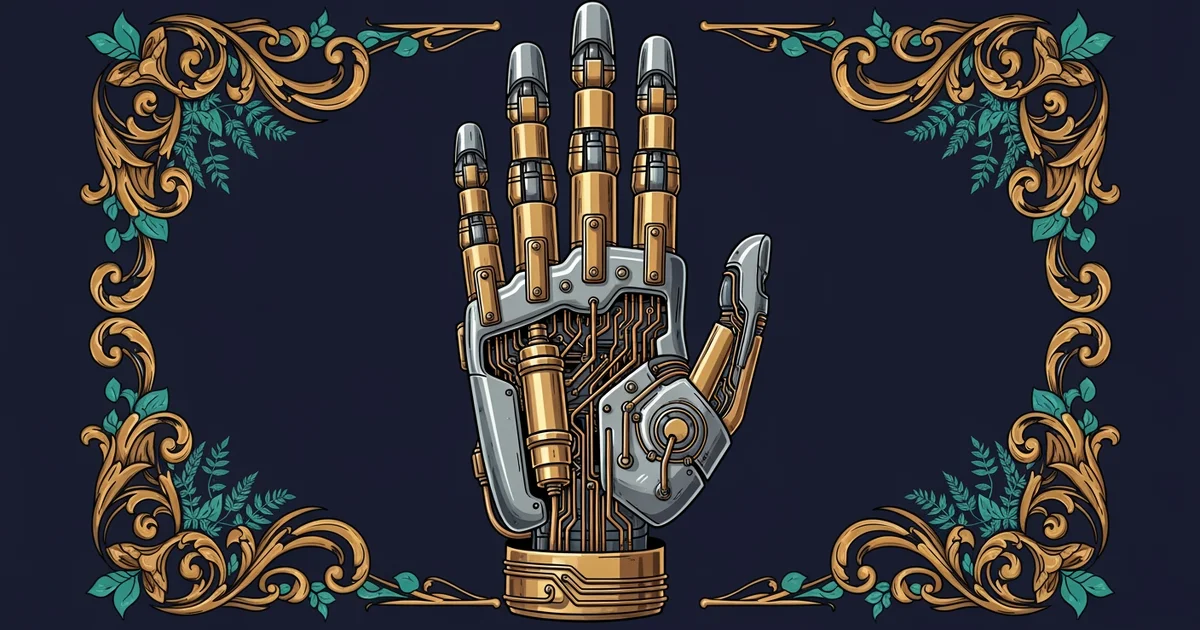
The Moral Landscape of Human Augmentation
When we discuss the ethics of these technologies, we must look at the difference between restoration and improvement. Restoration focuses on helping someone regain lost function, such as using a prosthetic limb after an injury or illness. This goal aligns with traditional medical ethics because it aims to return a person to a normal state of health. Enhancement, however, pushes beyond that baseline by offering abilities that typical humans do not possess. Thinking about this shift feels like buying a new car with a faster engine; you are still the driver, but the vehicle now performs at a level that changes your daily commute entirely. While some see this as the next step in our evolution, others worry that it creates a divide between those who can afford upgrades and those who cannot.
Key term: Transhumanism — the belief that we should use advanced technology to evolve beyond our current biological limitations and improve the human condition.
This divide raises serious concerns about fairness in our society, especially regarding access to expensive robotic systems. If only the wealthy can afford to upgrade their bodies, we might see a future where social status is determined by hardware. We already see how technology creates gaps in access to computers or high-speed internet, and physical augmentation would likely follow a similar path. The question of equity becomes even more complex when we consider how these enhancements might be used in workplaces or athletic competitions. If a worker uses a robotic arm to lift heavy boxes all day without fatigue, should they be paid more than someone using their natural muscles? We lack clear rules for how to handle these changes, leaving us to debate the impact on our shared human experience.
Balancing Biology and Engineering
Building upon our earlier lessons on clinical fitting processes, we must now consider how the brain adapts to these foreign additions over time. The human nervous system is remarkably flexible, allowing us to incorporate tools into our sense of self through a process called neuroplasticity. When we integrate sensors or motors into the body, the brain often learns to treat them as natural limbs rather than external devices. This integration is powerful, yet it introduces new risks regarding our autonomy and the security of our own biological data. If a robotic limb is connected to a network, who controls the signals that move it? We must ensure that the user remains in control of their own actions, even when their body relies on complex computer code to function.
To better understand the different perspectives on enhancement, we can look at how various groups view the integration of robotics into daily human life:
- The medical model prioritizes the restoration of function for those who have experienced trauma or disease, focusing on clinical outcomes and long-term health stability for the patient.
- The competitive model views enhancement as a way to push the limits of human performance, suggesting that we should embrace new tools to reach higher levels of speed and strength.
- The egalitarian model warns that widespread enhancement could lead to a permanent social class structure, where physical ability is tied to the financial resources of the individual user.
These viewpoints show that the future of bionics is not just a technical challenge, but a deeply social one that requires careful thought. We must ask if we are losing something essential about our humanity by replacing our biological parts with synthetic ones. Perhaps the answer lies in finding a balance where technology serves our needs without changing who we are at our core. By looking at these competing ideas, we can better prepare for the choices that lie ahead in the field of robotics.
True progress in bionics requires us to align our technical capabilities with the social values that protect human equality and individual agency.
As we continue to refine these complex systems, we will explore how emerging trends in artificial intelligence and material science are shaping the next generation of bionic devices.