
Sensor Integration
A prosthetic hand remains a static tool until it can sense the objects it attempts to grasp. When you reach for a glass, your biological nerves provide constant feedback about pressure and shape. Engineers replicate this vital link by integrating electronic hardware directly into the frame of the device. This process ensures that the machine responds to the world just as a natural limb would function. Without these signals, the limb operates blindly and often crushes delicate items during simple daily tasks.
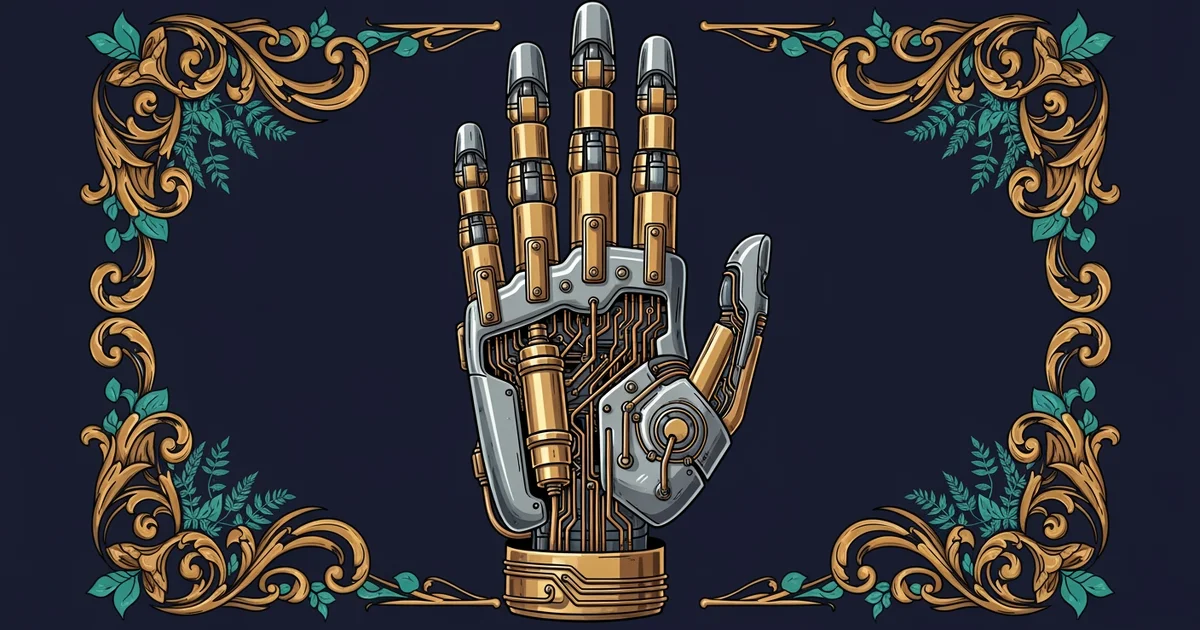
The Role of Pressure Sensing
To bridge the gap between machine and human, designers embed tactile sensors within the fingertips of the prosthetic. These sensors function like the skin on your own fingers by measuring physical force during contact. When you press against an object, the sensor converts that mechanical energy into a digital electrical signal. This signal travels to the internal controller where it informs the motor about the required grip force. Think of this process like an automated budget system that adjusts your spending as you approach your limit. If you spend too much, the system forces a pause to prevent you from going into debt. Similarly, if the sensor detects too much pressure, the controller slows the motor to protect the object.
Key term: Tactile sensors — electronic components that convert physical contact pressure into measurable electrical data for processing.
Effective integration requires a balance between speed and precision during the data collection phase. The system must process these inputs in milliseconds to ensure the grip feels natural to the user. If the feedback loop takes too long, the user will experience a delay that causes them to drop items. Engineers often use a specific data pipeline to manage this information flow efficiently and safely.
This feedback loop ensures that the prosthetic limb remains stable throughout the entire duration of the grasp. When the sensor detects a slip, the controller instantly increases the motor torque to regain a secure hold. This constant adjustment is the primary secret behind a prosthetic that feels like a natural extension of the body.
Designing the Feedback Loop
Beyond basic pressure detection, the system must translate these electrical signals into physical movement through the motor. The controller acts as the brain by comparing the current pressure to a set threshold value. If the value is too low, the controller sends a command to tighten the grip further. If the value is too high, it instructs the motor to relax the fingers immediately. This binary decision process happens thousands of times per second to ensure smooth movement. We can categorize the most common sensor types based on their specific utility in a robotic hand:
- Resistive sensors change their internal electrical resistance when compressed, providing a simple way to measure force.
- Capacitive sensors detect changes in an electrical field when an object nears the surface of the fingertip.
- Piezoelectric sensors generate a small voltage spike when they experience a sudden change in physical pressure levels.
These components work together to provide a comprehensive map of the object being held by the user. By combining multiple sensor types, the prosthetic gains the ability to identify texture and shape simultaneously. This level of detail allows the user to perform complex tasks like holding an egg or typing on a keyboard. The integration of these sensors transforms a simple mechanical claw into a sophisticated tool for daily life. Every design choice focuses on maximizing the user's ability to interact with their environment with total confidence.
Reliable sensor integration creates a closed-loop system where physical contact directly dictates the performance of the prosthetic device.
But what does it look like when we move from simple sensors to the complex internal structure of the device?