
Upper Limb Dexterity
When a person reaches for a coffee mug, the brain calculates distance, grip strength, and weight in milliseconds. This seamless movement represents the pinnacle of upper limb dexterity, a complex dance of nerves and muscles. In the field of robotics, engineers struggle to replicate this natural grace within mechanical hands. Prosthetic devices often fail because they cannot mimic the fluid adjustments required for everyday objects. If you have ever watched a person struggle with a rigid hook, you understand the gap between current designs and human ability. We must bridge this gap by creating systems that adapt to the environment instead of forcing the user to adapt to the machine.
Engineering Adaptive Grasp Patterns
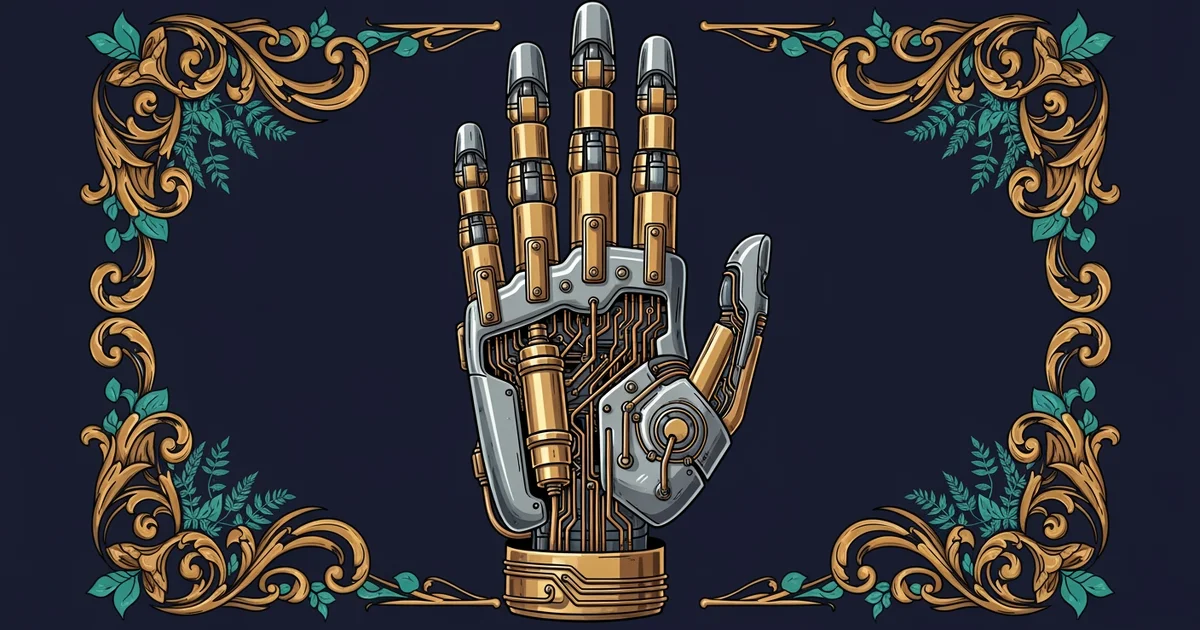
Designing a robotic hand requires a deep understanding of how humans manipulate objects through different grip types. We typically categorize these movements into power grasps, which provide stability, and precision grips, which allow for delicate control. A power grasp uses the palm and fingers to secure large objects like a hammer or a jar lid. In contrast, a precision grip uses the tips of the fingers to hold small items like a pen or a needle. Engineers must program these patterns into the control software to ensure the device functions intuitively for the user. This is an application of the biological feedback loops discussed in Station 11, where sensory data informs mechanical output.
Key term: Dexterity — the ability to perform complex motor tasks with precision and speed using the hands.
Building a robotic hand is much like managing a professional kitchen staff during a busy evening shift. The chef, who acts as the central processor, must coordinate multiple stations to ensure every plate is prepared correctly. If the sauce station moves too slowly, the entire meal fails to reach the table on time. Similarly, if the motor controllers in a robotic hand do not sync with the sensor data, the grasp will be clumsy or ineffective. Each finger must act as a coordinated member of a team to achieve the desired physical result.
Comparing Mechanical Grip Utility
To evaluate the success of a design, engineers compare how different grip configurations perform across a range of daily tasks. We often use a standardized set of movements to measure the utility of a prosthetic hand. The following table highlights the primary grip patterns required for high-functioning robotic hands:
| Grip Type | Primary Usage | Mechanical Demand | Stability Level |
|---|---|---|---|
| Power Grip | Holding heavy tools | High force output | Very High |
| Pinch Grip | Picking up small coins | High sensor precision | Moderate |
| Hook Grip | Carrying grocery bags | Low motor movement | High |
| Lateral Grip | Turning a heavy key | Medium torque output | Moderate |
These patterns demonstrate that no single grip serves every purpose in a human environment. A robotic hand must possess the versatility to switch between these modes based on the object detected by the onboard sensors. If a sensor detects a soft surface, the controller must reduce the force to prevent crushing the item. This requires a robust feedback loop that processes pressure data faster than the human eye can track. Without this rapid adjustment, the device remains a static tool rather than a functional limb replacement.
Engineers also face the challenge of weight distribution when designing these complex mechanical systems. A heavy hand can cause fatigue for the user, while a light hand may lack the necessary durability for daily tasks. We must optimize the materials to provide strength without adding bulk to the user's frame. This balance between weight, power, and speed remains the most significant hurdle in modern prosthetics development. By focusing on modular designs, researchers hope to provide customizable solutions that meet the specific needs of each individual user. We are moving toward a future where technology feels like a natural extension of the body.
True dexterity in robotics requires the seamless integration of sensory feedback with flexible mechanical control systems to mimic human movement.
But this model breaks down when the connection between the user's nervous system and the device experiences signal interference during complex tasks.