
Human Migration Patterns
Imagine a bustling city street where the shops are empty and the sidewalks are silent. You might wonder why people leave their homes to build lives in entirely different regions. Human migration is the physical movement of people from one location to another for long periods. This movement happens because individuals seek better opportunities, safety, or improved living conditions for their families. Understanding these patterns helps us see how labor markets change over time across the globe. When people move, they carry their skills and energy to new areas that need workers. This flow of people is a primary driver of how wealth is distributed between different nations.
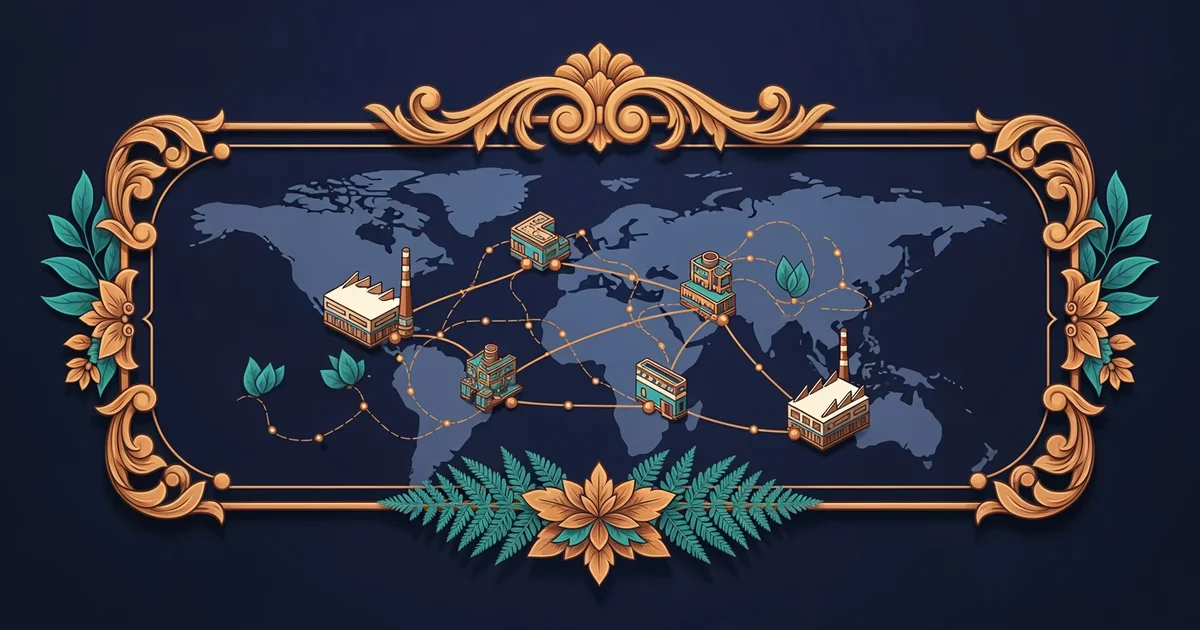
Drivers of Population Movement
People choose to move when the benefits of a new location outweigh the costs of leaving. Think of this like choosing between two different job offers with varying levels of pay. You look for the best deal that maximizes your personal growth and long-term financial security. Economists often group these reasons into two main categories: push factors and pull factors. Push factors are the negative conditions that force people to leave their current home environment. These include things like a lack of local jobs, natural disasters, or political instability in a region. Conversely, pull factors are the positive attractions that draw individuals toward a specific new destination. Better wages, stable governance, and access to quality education serve as strong magnets for migrants.
Key term: Migration — the act of individuals moving from one geographic location to another to seek better living conditions.
Migration acts like water flowing from a high-pressure zone toward a lower-pressure area to find balance. When an area has too many workers and not enough jobs, the pressure to move rises. People naturally drift toward places where their labor is in high demand and pays more. This movement is essential for balancing the supply of workers with the needs of businesses. Without this constant shifting, some regions would become overcrowded while others would suffer from labor shortages. By moving to where they are needed, workers help stabilize the economy and keep production levels consistent.
Tracking Labor Force Shifts
Businesses track these population shifts to decide where to build their next offices or factories. If a city sees a large influx of skilled workers, companies will follow to tap into that talent. This creates a cycle where more jobs attract more people, which in turn attracts even more businesses. The following table illustrates how different types of migration impact the local labor market and regional economic growth:
| Migration Type | Primary Goal | Economic Impact | Labor Market Result |
|---|---|---|---|
| Rural to Urban | Better wages | Higher output | Increased competition |
| International | New career | Talent growth | Diverse skill sets |
| Regional | Lower costs | Stability | Balanced demand |
These patterns show that migration is not just about moving houses but about moving economic potential. When workers migrate, they often bring unique experiences that help local businesses innovate and grow faster. This process ensures that talent is not trapped in areas with limited growth prospects for long periods. Local economies that welcome new residents often see a boost in productivity and overall tax revenue. However, regions that lose too many people to migration may struggle to maintain their basic public services.
Understanding these movements allows us to predict which areas might thrive in the coming decades. If a region fails to attract new people, it may find itself with an aging workforce. This demographic challenge makes it harder for local companies to find the staff they need. Consequently, these areas might see their wealth decline as businesses relocate to more vibrant, populated hubs. Keeping the labor force mobile is vital for maintaining a healthy and competitive national economy for everyone involved. As you consider these trends, ask yourself if cities are growing because they are wealthy or if they are wealthy because they attract growth.
Human migration functions as a self-correcting mechanism that moves labor toward areas where it is most productive and highly valued.
Next, we will explore how businesses cluster together to create massive centers of industry and innovation.
This content is educational only and does not constitute financial or investment advice.