
Atmospheric Forces and Erosion
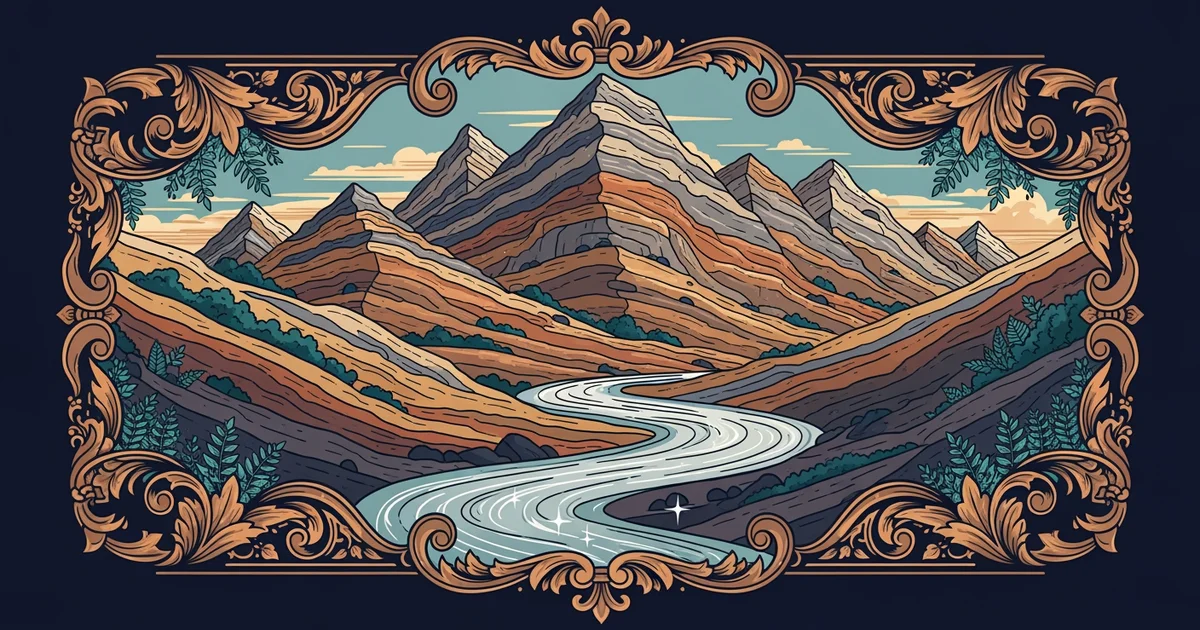
Imagine standing at the edge of a massive canyon while watching the slow, relentless carving of the stone by a small river. You might wonder how such a soft force could shape the hard rock of the Earth over long periods of time. This process happens every day, turning solid mountains into valleys and plains through the movement of air and water. Understanding these forces helps us see why our planet looks the way it does today.
The Mechanics of Weathering and Erosion
Nature uses two distinct processes to break down the landscape, which we call weathering and erosion. Weathering acts like a hammer that breaks large rocks into smaller pieces without moving them from their original spot. Erosion then acts like a delivery service that picks up those broken pieces and carries them away to new locations. Think of this like a construction site where workers break up old concrete before trucks haul the debris to a landfill. Without this constant cycle of breaking and moving, our planet would remain a static, featureless lump of rock instead of a dynamic home.
Key term: Erosion — the process where natural forces like water, wind, or ice move soil and rock fragments to different locations across the surface.
Water serves as the most powerful agent of change because it flows with immense energy across the land. When rain falls on a mountain, it gathers into small streams that cut tiny paths into the soil and rock. Over thousands of years, these small paths grow into deep canyons as the water continues to wear down the riverbed. This constant friction acts like sandpaper, slowly smoothing out the rough edges of the stone until the entire landscape takes on a new shape. The water carries sediment downstream, depositing it in new areas to build up deltas and fertile plains.
Wind and Surface Transformation
While water shapes the lowlands, wind acts as a sculptor for the dry and arid regions of our world. Strong gusts pick up fine sand grains and blast them against rock faces, effectively sandblasting the surface over millions of years. This process creates unique formations like arches, pillars, and balanced rocks that seem to defy gravity in the desert heat. Wind carries lighter particles across vast distances, often depositing them as thick layers of dust that create new landforms elsewhere. These changes happen slowly, but they demonstrate how atmospheric energy constantly rearranges the physical features of our shared home.
To understand how these forces compare, consider the following ways they alter the terrain:
- Water erosion creates deep, V-shaped canyons by cutting vertically through layers of rock as it flows downhill toward the sea.
- Wind erosion sculpts unique rock shapes by using abrasive sand particles to wear away softer sections of stone at the base.
- Glacial movement acts like a giant, slow-moving bulldozer that scrapes away entire hillsides and deposits heavy rocks in new valleys.
Each force leaves a specific signature on the landscape that scientists can read like a history book. By looking at the shape of a valley or the smoothness of a cliff, we can tell whether water, wind, or ice did the heavy lifting. This knowledge allows us to predict how the terrain might change in the future as weather patterns shift. We see that the Earth is not a finished product, but a work in progress that is constantly being reshaped by the atmosphere above it.
The Earth constantly reshapes itself because wind and water provide the energy required to break down and move rock across the surface.
The next station will explore how volcanic activity patterns create new landmasses to replace the material lost through erosion.