
Capstone: Global Heritage
Imagine standing before a massive mountain range that has watched civilizations rise and fall over countless centuries. These natural landmarks are not just piles of rock but are living archives of our shared planetary identity. Protecting these sites requires us to view them as finite resources rather than simple backdrops for our busy daily lives. When we treat a forest or a canyon as a non-renewable asset, we begin to understand why preservation matters for future generations.
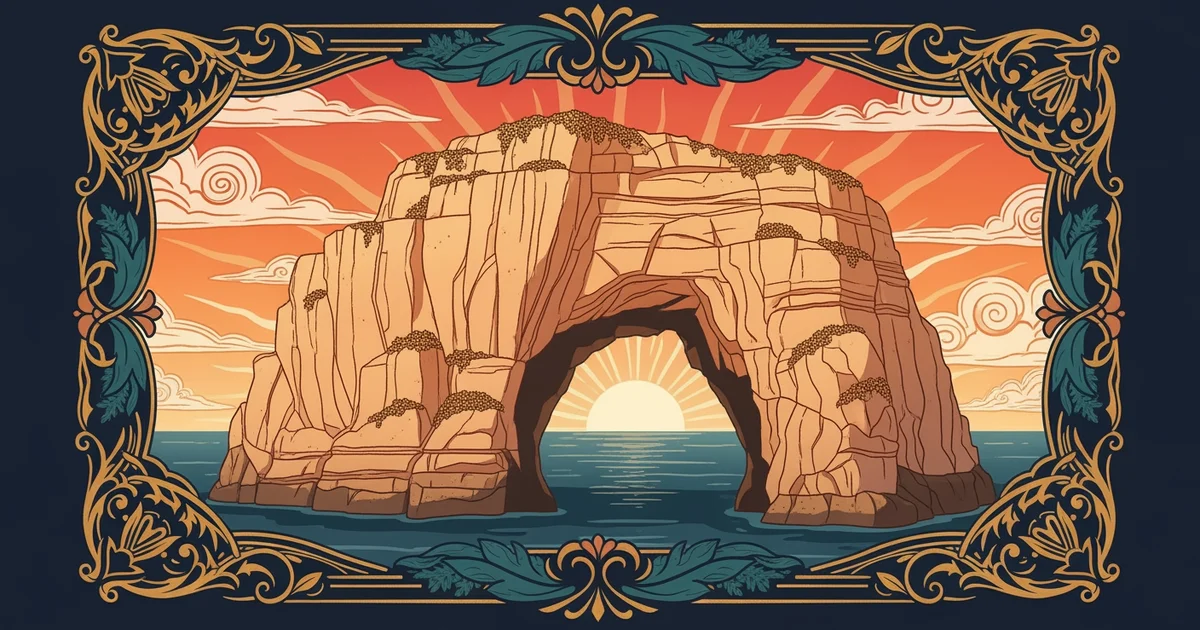
The Stewardship of Global Heritage
Preserving natural landmarks involves managing the tension between human curiosity and the need for environmental stability. Think of these sites like a rare, limited-edition book in a public library that everyone wants to read at once. If every visitor touches the pages without care, the book will eventually crumble into dust despite its immense cultural value. We must balance our desire to explore with strict policies that prevent physical degradation of the land. This stewardship is the only way to ensure that the geological story remains legible for people living in the distant future.
Key term: Stewardship — the responsible planning and management of resources to ensure they remain preserved for future generations.
Effective protection strategies often rely on a tiered approach to managing visitor impact across different types of fragile terrain. By categorizing sites based on their vulnerability, land managers can divert foot traffic away from the most sensitive zones. This method allows the public to enjoy the landmark while keeping the core features safe from erosion or pollution. It is a practical application of the same logic used to manage high-demand commercial inventory during a busy holiday shopping season.
Strategies for Site Protection
To advocate for a specific landmark, you should identify the primary threats that undermine its physical and cultural integrity. Most heritage sites face common pressures that require coordinated action from both local communities and global visitors alike. You can evaluate the health of a landmark by looking at these three key areas:
- Erosion control measures involve building boardwalks or designated paths that prevent soil compaction and keep plant life safe from trampling.
- Resource monitoring systems utilize sensors to track air quality and water levels, which helps scientists detect damage before it becomes permanent.
- Educational outreach programs inform visitors about the history of the site, turning casual tourists into active protectors of the local environment.
| Threat Category | Potential Impact | Mitigation Strategy |
|---|---|---|
| Human Footprint | Soil compaction | Elevated boardwalks |
| Climate Change | Habitat shifts | Corridor protection |
| Resource Theft | Loss of history | Strict legal zoning |
These strategies help us synthesize what we learned about landscape evolution in previous stages of this path. We previously discussed how tectonic forces shape the earth, and now we see how human agency dictates whether those features survive. The tension lies in our ability to witness these wonders without leaving a lasting scar on the surface of the planet. If we fail to act as guardians, the very landmarks that define our cultural identity will lose their power to inspire us. Protecting these sites is not just about keeping nature pretty, but about maintaining the physical records of our world.
True preservation happens when we treat natural landmarks as essential public assets that require active management to survive human interaction.
Understanding these sites as finite resources allows us to appreciate the complex balance between human curiosity and the needs of the natural world.