
Future Landscape Evolution
Rising sea levels and shifting weather patterns threaten the stability of the world's most iconic natural landmarks. Imagine a coastal cliff slowly crumbling into the sea as the waves grow stronger and more frequent. This is not a distant worry but a pressing reality for geography and earth science experts today. We must look at how these changes reshape our planet over time while considering the physical history we might soon lose. The forces that built these sites are now the same forces that threaten their long-term survival.
The Mechanisms of Landscape Change
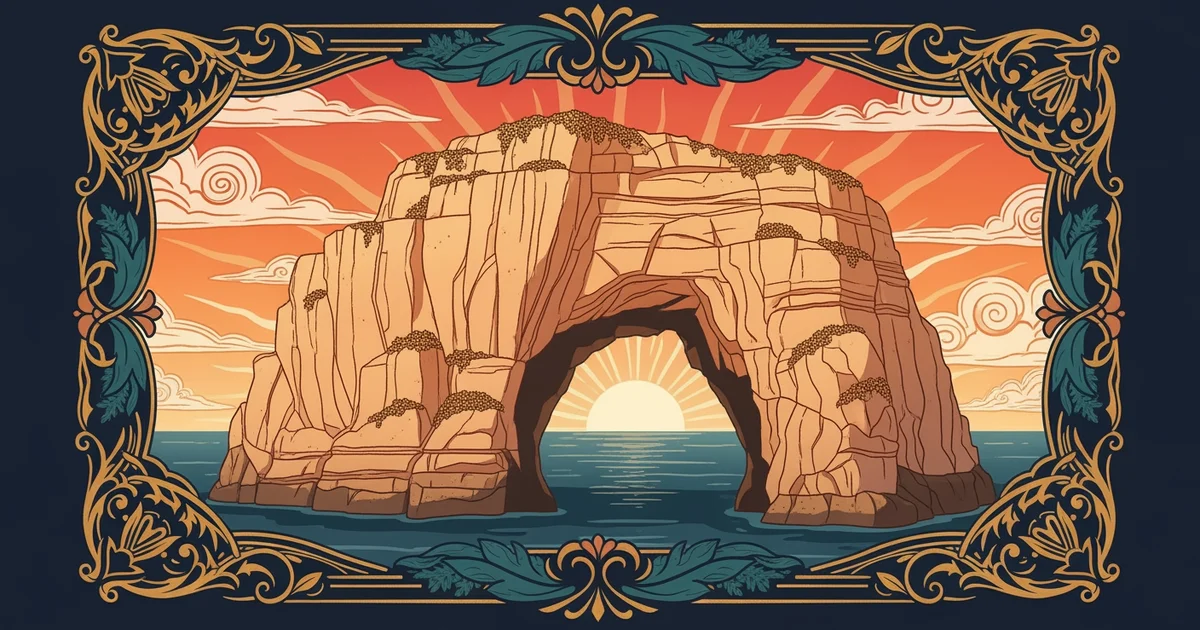
Natural landmarks are not static objects but dynamic systems constantly reacting to their surrounding environment. When we consider past lessons on geomorphology, we see that wind, water, and ice act as relentless sculptors. Climate change accelerates these natural processes by increasing the intensity of extreme weather events worldwide. Think of a sandcastle on a beach that is slowly being eroded by a rising tide. The tide does not stop its work, and the sandcastle eventually loses its shape as the water levels climb higher. Similarly, landmarks like glaciers or coastal arches face structural failure as temperatures rise and storm surges intensify. This constant pressure forces us to rethink how we value and protect these sites for future generations.
Key term: Geomorphology — the study of the physical features of the surface of the earth and their relation to geological structures.
Predicting Future Landscape Evolution
We can forecast the fate of specific landmarks by analyzing current data and past environmental trends. Some areas face rapid alteration while others may remain stable for several more decades or centuries. The following table highlights how different types of landmarks react to current climate shifts:
| Landmark Type | Primary Threat | Expected Outcome |
|---|---|---|
| Coastal Cliffs | Rising sea levels | Increased erosion rates |
| Alpine Glaciers | Higher temperatures | Significant mass reduction |
| Desert Dunes | Shifting wind patterns | Migration of sand formations |
These shifts demonstrate that the physical history of our planet remains in constant motion today. By observing these patterns, researchers can create models to predict which landmarks are most at risk of vanishing. This process requires us to synthesize information from previous stations regarding conservation efforts and geological history. If we understand how these landmarks formed, we can better predict how they will eventually disappear or transform.
Climate change introduces a level of uncertainty that complicates our ability to preserve these natural wonders. We must balance the need for human access with the reality of rapid environmental degradation in these regions. The tension between protecting a site and letting nature take its course remains a major debate among scientists. Consider the following factors that influence how we manage these changing landmarks:
- Monitoring frequency allows experts to track the speed of erosion and plan for potential site closures.
- Infrastructure investment helps protect nearby access points but often fails to stop the underlying geological decay.
- Public education initiatives foster a deeper understanding of why these changes occur and why they matter globally.
These efforts represent our best attempt to document history before the landscape evolves beyond recognition. Every landmark tells a story, and documenting its decline is as important as studying its initial formation. We must ask ourselves if we are prepared to lose these physical markers of our shared planetary heritage. How do we reconcile the loss of these landmarks with our desire to keep them forever?
Future landscape evolution requires us to accept that natural landmarks are temporary features within a constantly changing geological timeline.
The next station will integrate these lessons into a final assessment of our global heritage and its future.