
Defining Natural Landmarks
Imagine standing before a massive mountain peak that has watched the world change for millions of years. This sight reminds us that our planet possesses a history far older than any human civilization.
Identifying Natural Landmarks
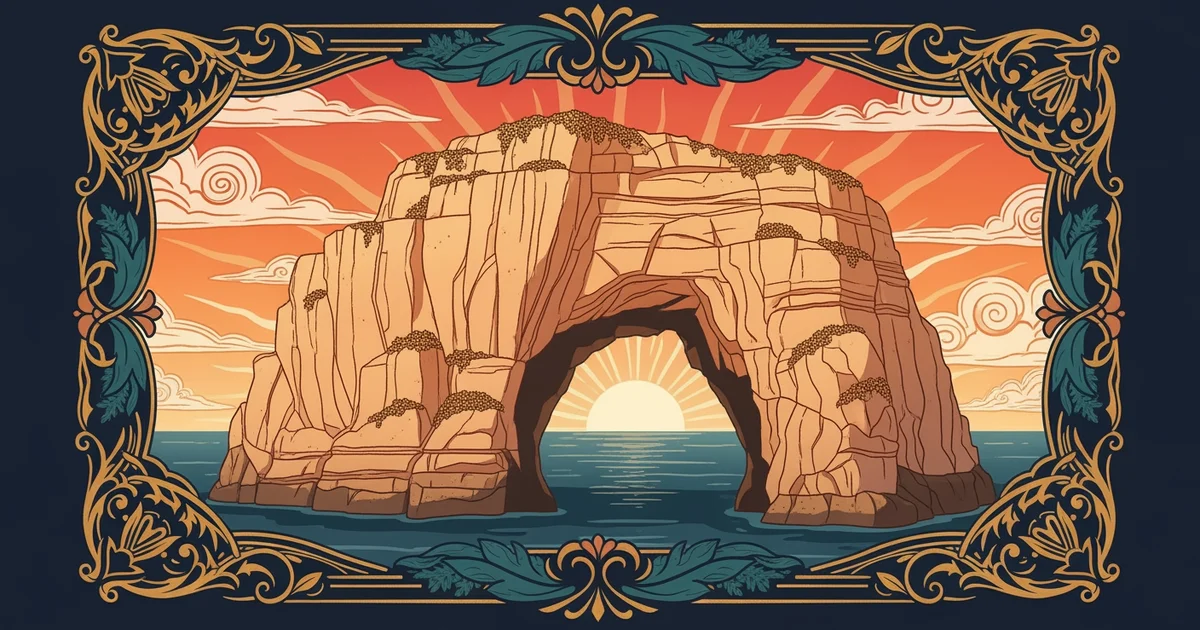
When we look at the landscape, we often see a mix of human structures and ancient physical features. A natural landmark is a distinct feature of the Earth that formed without any human intervention or labor. These features represent the raw power of geological forces like wind, water, and shifting tectonic plates. Think of these landmarks like the original architecture of a house, which provides the foundation before any furniture or paint is added. Humans might build roads or viewing platforms near these sites to see them better, but the structure itself remains entirely a product of nature. We define these landmarks by their unique shapes, their historical significance to the local environment, and their ability to stand out from the surrounding terrain. If you removed every human structure from the Earth, these massive features would still exist exactly as they do today.
Key term: Natural landmark — a specific physical feature of the Earth created by geological processes that remains independent of human construction.
To understand these features, it helps to compare them against man-made structures that often mimic their appearance. Many people confuse large statues or historical buildings with natural landmarks because they share a sense of grandeur. However, the origin of the object is the only factor that truly matters for this classification. We can categorize these features based on how they formed, which helps us appreciate the specific forces that shaped our world. Consider the following characteristics that define these magnificent sites:
- Evolutionary independence means the feature developed through long-term environmental shifts like erosion or volcanic activity rather than human intent.
- Geographic prominence ensures the site stands out from its surroundings, making it a recognizable point of reference for people in the area.
- Material composition consists of organic earth elements like stone, ice, or soil, which confirms that the site grew from the ground itself.
Understanding the Cultural Connection
Beyond their physical makeup, natural landmarks often serve as the heart of cultural identity for the people living nearby. These sites act like a community anchor, providing a shared history that connects generations of families to the same piece of land. When a society grows up around a specific mountain or river, that feature often appears in their stories, their art, and their local traditions. This relationship transforms a simple pile of rocks into a symbol of pride and belonging for the people who call the region home. By studying these sites, we learn how human groups adapted their lives to the specific geography they encountered. Our understanding of the planet grows when we recognize that these landmarks are not just scenery, but active participants in the human story. We must protect these sites because they hold the physical records of our past and the cultural spirit of our present.
| Feature Type | Primary Formation | Human Interaction |
|---|---|---|
| Mountain | Tectonic forces | Minimal to none |
| River Canyon | Water erosion | Minimal to none |
| Coral Reef | Biological growth | Minimal to none |
This table shows how different types of landmarks arise from specific natural processes, reinforcing the idea that nature acts as the primary builder of our world. While humans may visit or study these places, our presence does not change the fundamental way they function or exist over time. By looking at these categories, we can better distinguish between the enduring power of the planet and the temporary nature of our own structures. This distinction allows us to respect the Earth as a dynamic system that creates its own history through time. As we move forward, we will see how these landmarks serve as markers for the massive timelines that define the physical history of our planet.
Natural landmarks are physical features formed solely by environmental forces that serve as both geological records and anchors for human cultural identity.
By exploring these landmarks, we will uncover how they function as massive clocks that reveal the deep geological time scales of our planet.