
Future Global Settlements
Rising sea levels and shifting weather patterns force humanity to rethink where we build our permanent homes. Imagine trying to renovate a house while the ground beneath it slowly turns into a swampy marsh. This is the challenge facing modern planners as they look toward the next century of global settlement growth. We must now consider how environmental instability dictates the location and design of our future living spaces.
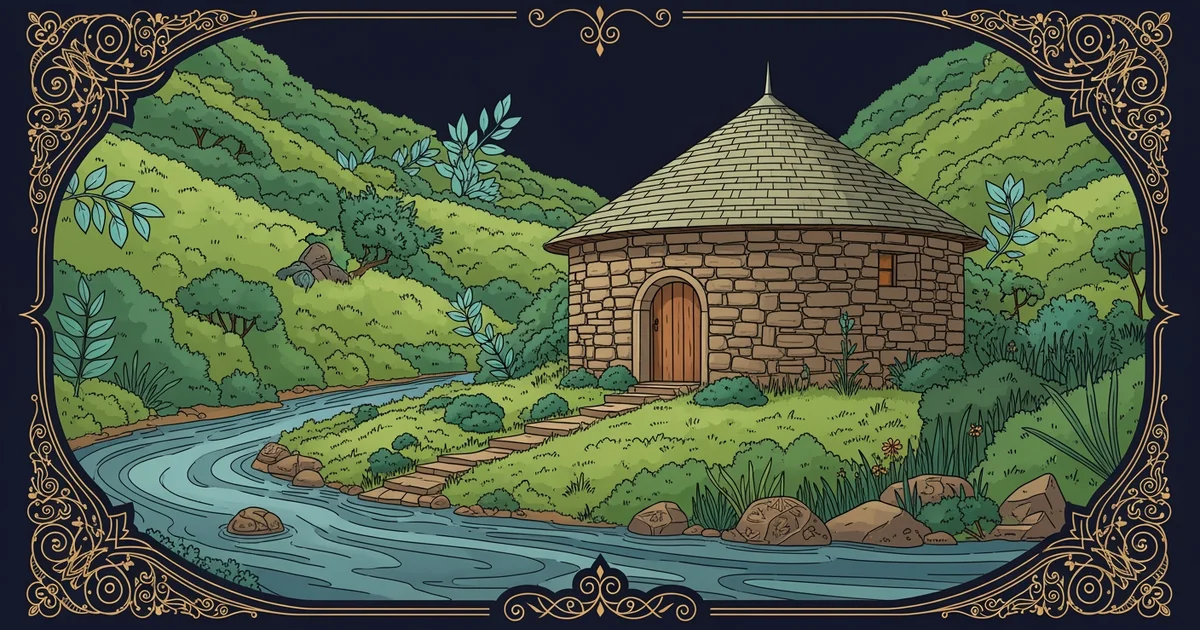
Adapting to Changing Landscapes
Early humans relied on stable water sources and fertile soil to establish their first permanent homes. We now face a paradox where those same coastal regions and river deltas become increasingly dangerous due to floods. Future settlements will likely feature climate-adaptive infrastructure, which includes buildings designed to withstand extreme storms or rising water levels. Think of this like buying insurance for your car; you pay a higher price now to avoid total financial loss later when an accident occurs. Engineers are already testing floating foundations that rise and fall with the tides to prevent structural damage. These designs allow communities to stay near their economic hubs without risking the total destruction of their homes during storm surges.
Key term: Climate-adaptive infrastructure — physical structures and systems built with flexible designs to remain functional despite changing environmental hazards or extreme weather events.
We must integrate these new methods into our urban planning to ensure long-term survival. The following list outlines three major shifts we expect to see in future settlement development strategies:
- Modular construction allows builders to relocate entire sections of a city if environmental risks become too high for a specific geographic zone to remain safe.
- Vertical integration of food and water production reduces the need for long supply chains that are vulnerable to disruption from severe weather events.
- Decentralized power grids ensure that individual neighborhoods maintain electricity and heating even when central infrastructure fails during large-scale climate disasters like massive floods.
The Role of Resource Scarcity
As we look ahead, the availability of fresh water and reliable energy will define the success of new settlements. Many regions that supported large populations for centuries may soon lack the necessary resources to sustain current density levels. Planners now prioritize resource-resilient planning, which focuses on building cities that generate their own power and recycle water locally. This approach acts like a household budget where you stop relying on credit and start living strictly within your earned income to remain stable. By creating closed-loop systems, cities can survive periods of drought or external supply chain failures that would otherwise cause total collapse. This transition requires a massive shift in how we perceive the relationship between geography and human habitation.
| Feature | Traditional Settlement | Future Settlement |
|---|---|---|
| Water | External pipelines | Local recycling |
| Energy | Centralized grid | Distributed source |
| Layout | Fixed foundations | Modular structures |
This shift moves us away from the static, permanent homes of the past toward flexible and reactive living environments. We are learning that the most successful settlements will be those that can transform their physical shape to match the changing environment. By observing how early geography shaped our ancestors, we can see that location remains the primary factor for success. However, we now have the technology to change the environment itself rather than just adapting to it. We must continue to innovate if we want to maintain the high standard of living that modern society expects. The future of human settlement depends on our ability to balance rapid growth with the reality of a changing planet.
Future settlements will succeed by treating environmental change as a design variable that requires flexible, self-sustaining systems rather than rigid, permanent structures.
Understanding how we build for the future allows us to better grasp the connection between environmental stability and human progress.