
The Dawn of Permanent Dwellings
Imagine you are carrying everything you own on your back while walking miles across a vast, dusty landscape. You must find fresh water and food every single day just to survive the night safely. This constant state of movement kept our ancestors trapped in a cycle of searching for resources to stay alive.
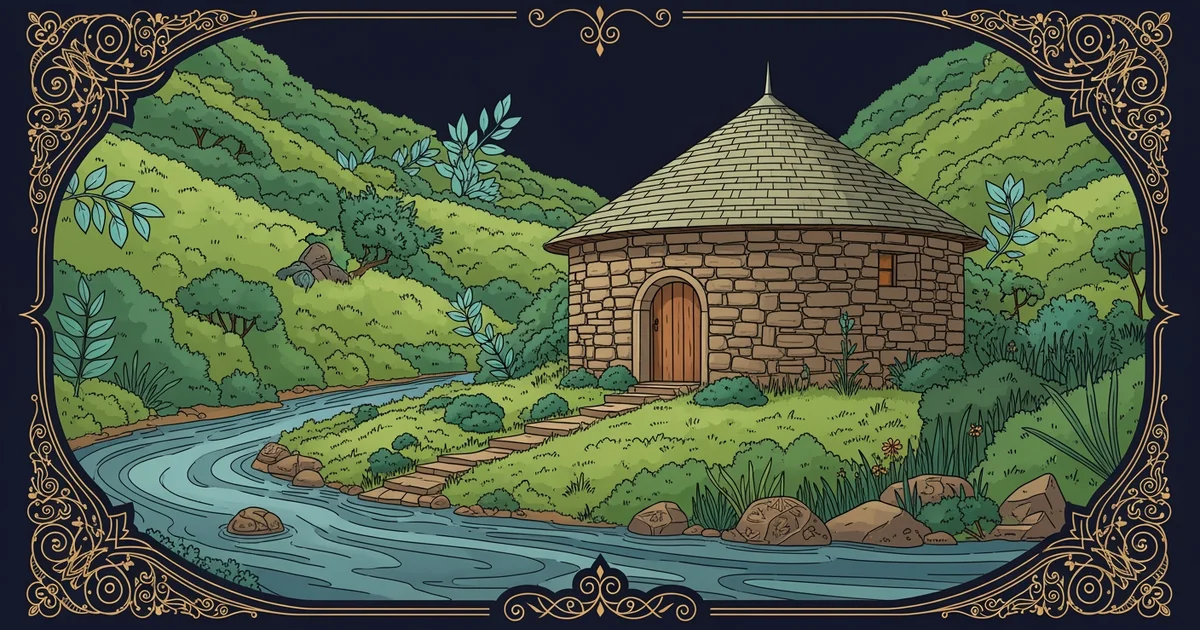
The Shift to Stability
Early humans eventually realized that constant travel was not the only way to find enough food. They began to notice that seeds dropped on the ground would grow into plants if the soil was right. This discovery acted like an investment account where you deposit seeds today to harvest a larger return later. By staying in one place, they could manage their food supply instead of hunting for it randomly. This change allowed groups to focus on building better shelters rather than carrying temporary tents everywhere they went. Permanent homes provided protection from harsh weather and wild animals that roaming groups could not easily avoid. Settling down was a massive gamble that required changing how they viewed time and their relationship with the natural world around them.
Key term: Sedentary — the practice of living in one fixed location for an extended period rather than moving frequently.
Environmental Factors and Choices
Choosing a location for a permanent home was not a random decision for these early groups. They looked for specific features that made survival easier and more reliable over many years of life. Water sources were the most important factor because every person and animal needed it to survive daily. Fertile land meant they could grow crops reliably without needing to move when the soil lost nutrients. These early settlers acted like business owners scouting for the perfect location to ensure their long-term growth and stability. They balanced the need for safety against the need for easy access to trade routes and natural resources. The following factors influenced where these first communities decided to plant their roots and build their long-term homes:
- Proximity to fresh water sources allows for consistent irrigation of crops and hydration for the entire community.
- Access to fertile soil ensures that plants grow quickly and provide enough food for everyone to stay healthy.
- Natural defensive barriers like hills or cliffs protect the community from outside threats without needing constant guard duty.
- Availability of building materials like stone or timber makes it possible to construct sturdy homes that last years.
The Impact of Geography
Geography dictated the success of these early settlements by limiting what was possible in specific regions. A group living near a wide river had different opportunities than a group living on a dry mountain. People had to adapt their building styles and farming techniques to match the local climate and available materials. This adaptation is similar to how a person chooses a coat based on the weather outside each morning. If the environment was difficult, the community had to work much harder to keep their permanent home functioning properly. Those who chose locations with abundant natural resources were able to grow their populations much faster than others. By understanding these patterns, we can see how the physical earth shaped the very foundation of human civilization today.
| Feature | Benefit to Settlers | Potential Risk |
|---|---|---|
| River | Easy water access | Risk of flooding |
| Forest | Wood for shelter | Clearing land is hard |
| Plateau | Natural defense | Hard to reach water |
This table shows how every geographic choice involved a trade between convenience and danger for the early settlers. Choosing the right spot was the most important decision a group made for their future success and safety. Over time, these small clusters of homes grew into the complex societies that define our world today.
Permanent dwellings allowed early humans to stop searching for daily survival needs and start building lasting communities.
This path will show you how geography determined where the first great civilizations were able to thrive.