
Geography of River Valleys
Imagine you are trying to grow a garden in the middle of a dry, cracked desert. You would quickly realize that your plants need a steady supply of water to survive and thrive. This simple problem drove early humans to seek out the banks of great rivers for their survival. When groups finally chose to settle near these flowing water sources, they unlocked a new way of living that changed our entire history.
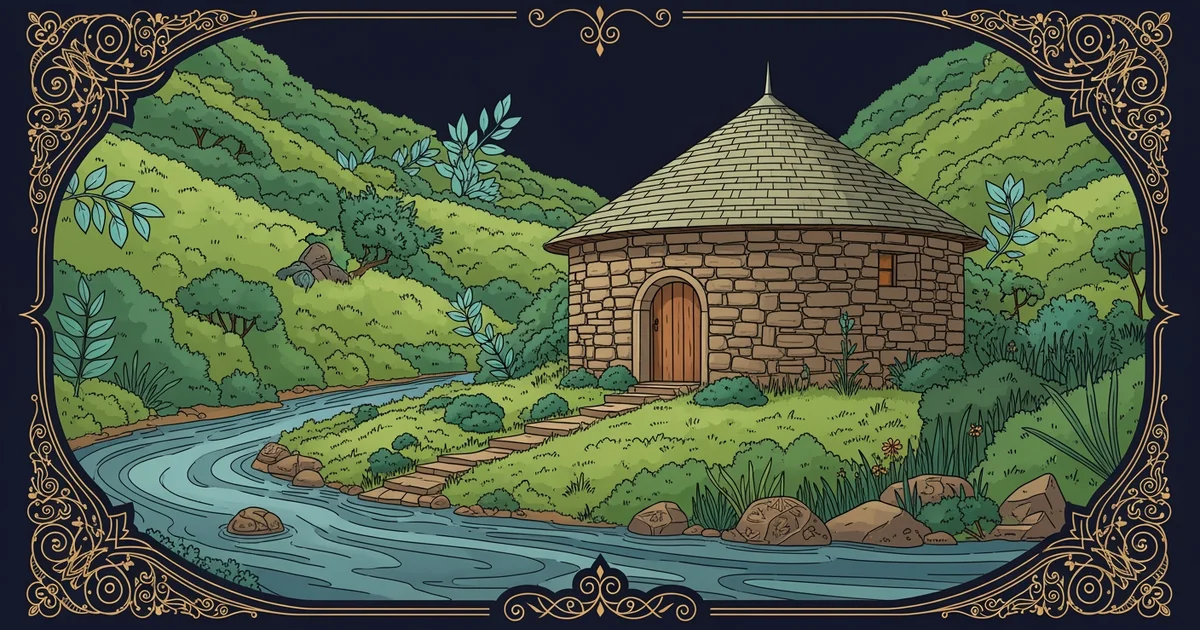
The Vital Role of River Systems
Early humans noticed that areas near riverbanks offered more than just a place to drink. These regions provided alluvial soil, which is a nutrient-rich layer of sediment deposited by seasonal floods. This natural fertilizer allowed early farmers to grow crops with much higher yields than they could in dry fields. Like a bank account that earns interest, the river consistently added value to the land every year. This reliable surplus of food meant that not everyone had to spend their day hunting or gathering resources. People could then focus on building permanent homes and developing new tools to improve their daily lives.
Key term: Alluvial soil — a fertile, nutrient-rich mixture of sand and silt left behind by river flooding that supports agriculture.
Water access acted as the primary anchor for these early civilizations because it provided a predictable cycle of life. Rivers functioned like a conveyor belt, bringing fresh silt from upstream to replenish the fields while providing a reliable path for travel. When a group settled in a river valley, they gained a massive advantage over those living in harsh, unpredictable environments. This stability allowed populations to grow larger and more complex over time. As the communities expanded, they built irrigation systems to move water even further into the dry landscape. This process of managing water helped them control their environment rather than just reacting to it.
Geography and Societal Growth
Once communities secured a steady food supply, they began to organize themselves into more permanent structures. Living in a river valley meant that neighbors were always nearby, which encouraged trade and the sharing of new ideas. The geography of the valley naturally funneled people together, creating a dense network of social connections. These interactions were essential for developing early forms of government and complex trade networks. People began to specialize in different crafts, such as weaving cloth or shaping clay pots, because they no longer needed to spend every waking hour searching for food.
| Feature | Benefit to Early Humans | Resulting Change |
|---|---|---|
| River Floods | Deposits fresh nutrients | Higher crop yields |
| Flat Plains | Easier to build homes | Permanent villages |
| Waterways | Simple transport routes | Expanded trade |
This table shows how physical geography directly influenced the way early societies functioned on a daily basis. The flat, open land near a river made it easy to clear fields and build structures without heavy labor. Because the river provided a natural highway, groups could easily trade goods with other villages located further down the stream. This constant movement of people and products helped spread technology and language across vast areas. By settling in these valleys, humans moved away from the nomadic lifestyle and toward a future based on cooperation and growth.
As these societies grew, they had to solve new problems related to living in close quarters. They needed to manage waste, store food for the winter, and protect their valuable water rights from outsiders. These challenges forced them to create laws and social hierarchies to keep things running smoothly. The geography of the river valley did not just provide food; it provided the foundation for every complex society that followed. By learning to work with the natural cycles of the river, humans turned the landscape into a reliable home base.
Permanent settlement became possible because river valleys provided both the fertile ground for surplus food and the natural resources needed to sustain growing populations.
Next, we will explore how shifting weather patterns and climate changes forced these early societies to adapt their building methods to survive.