
Modern Settlement Resilience
Rising water levels and intense weather patterns force modern cities to rethink their basic survival strategies. You might notice your local town council building new flood walls or planting specific trees to soak up extra rainwater. These actions mirror the logic of ancient civilizations that built homes on high ground near reliable water sources. While our tools have changed, the fundamental need for safety against the environment remains the primary driver of urban design. We must now bridge the gap between ancient survival instincts and the complex demands of our modern technological era.
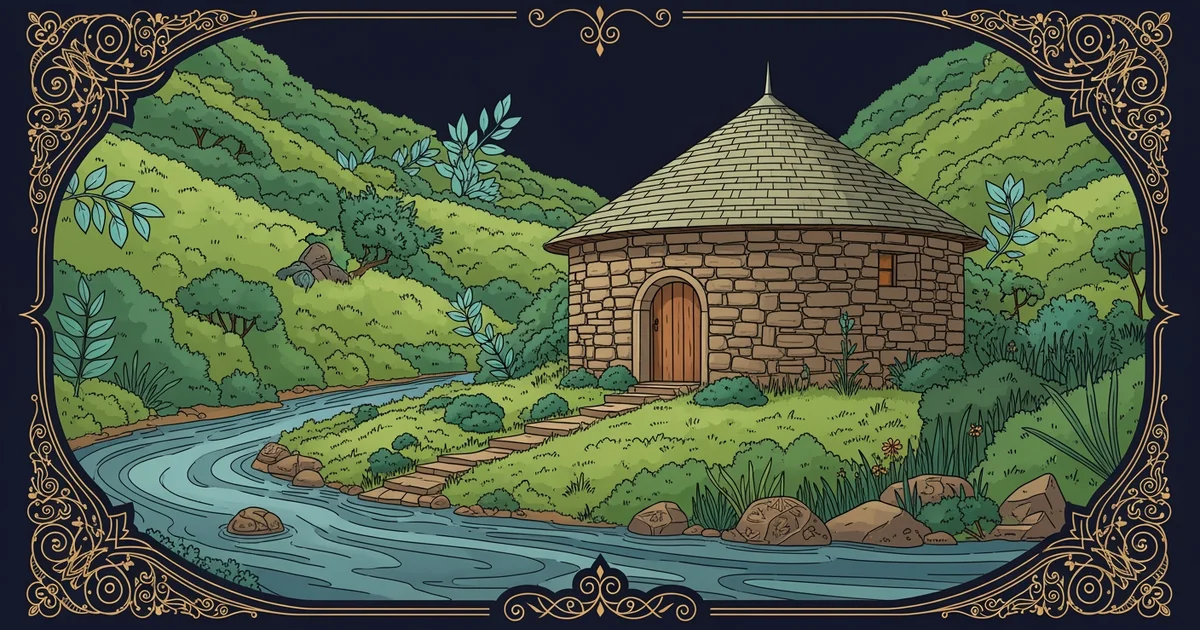
Designing for Environmental Shifts
Cities today face a difficult balancing act between expansion and protection from the natural world. Planners often look back at how early societies managed resources to avoid total collapse during harsh seasons. By studying these historical patterns, experts identify how geography dictates the longevity of a settlement. A city that ignores its local landscape will eventually struggle as climate pressures increase. This process of integrating past wisdom with current technology is known as urban resilience. Think of this like a household budget where you save money during good months to cover unexpected repairs during bad months. If a city does not save its natural resources or protect its landscape, it will eventually run out of capacity to support its growing population.
Key term: Urban resilience — the capacity of a city to withstand, recover from, and adapt to environmental or economic stresses over time.
Integrating Historical Logic with Modern Infrastructure
Modern city planners often face the same challenges that early settlers encountered when choosing their home sites. They must evaluate how terrain, water access, and soil quality influence long-term growth and safety. We can categorize the main strategies used to align modern urban growth with historical lessons regarding site selection:
- Strategic elevation mapping ensures that new housing developments sit above known flood plains to prevent water damage during extreme weather events.
- Green belt preservation mimics ancient land management by keeping natural areas open to absorb rainfall and regulate local air temperatures.
- Water resource diversification protects a city from drought by connecting to multiple underground or distant sources instead of relying on one single river.
These strategies help modern planners avoid the mistakes of the past while using advanced data to predict future risks. By applying these methods, a city can grow without destroying the natural features that keep it safe.
Balancing Growth and Natural Constraints
Every settlement must eventually reconcile its desire for economic expansion with the physical limits of its location. Early civilizations often collapsed when they exceeded the carrying capacity of their local environment by exhausting soil or water. Today, we use complex sensors and computer models to track these limits before they reach a breaking point. This shift from reactive crisis management to proactive planning represents the biggest change in human settlement history. We are no longer just building for the present moment but designing for the next hundred years. This requires a deep understanding of how local ecosystems interact with concrete, glass, and steel structures.
| Strategy | Historical Purpose | Modern Application |
|---|---|---|
| Elevation | Flood protection | Zoning laws |
| Greenery | Cooling systems | Urban parks |
| Diversion | Water security | Pipeline networks |
By comparing these methods, we see that the goals of a city have stayed the same even if the tools have improved. Ancient builders used mud, stone, and wood to manage their surroundings, while we use sensors, concrete, and policy. The core lesson remains that geography dictates the boundaries of our success. If we fail to respect these boundaries, our modern structures will face the same fate as ancient ruins. Understanding this connection allows us to build cities that thrive despite the rising pressures of a changing world. We must continue to look at the ground beneath our feet to ensure our future homes remain stable and secure for all people.
Modern city resilience depends on applying ancient lessons about environmental limits to our current technological infrastructure.
The next step in our journey explores how future global settlements might expand beyond these traditional earthly constraints.