
Future Food Innovations
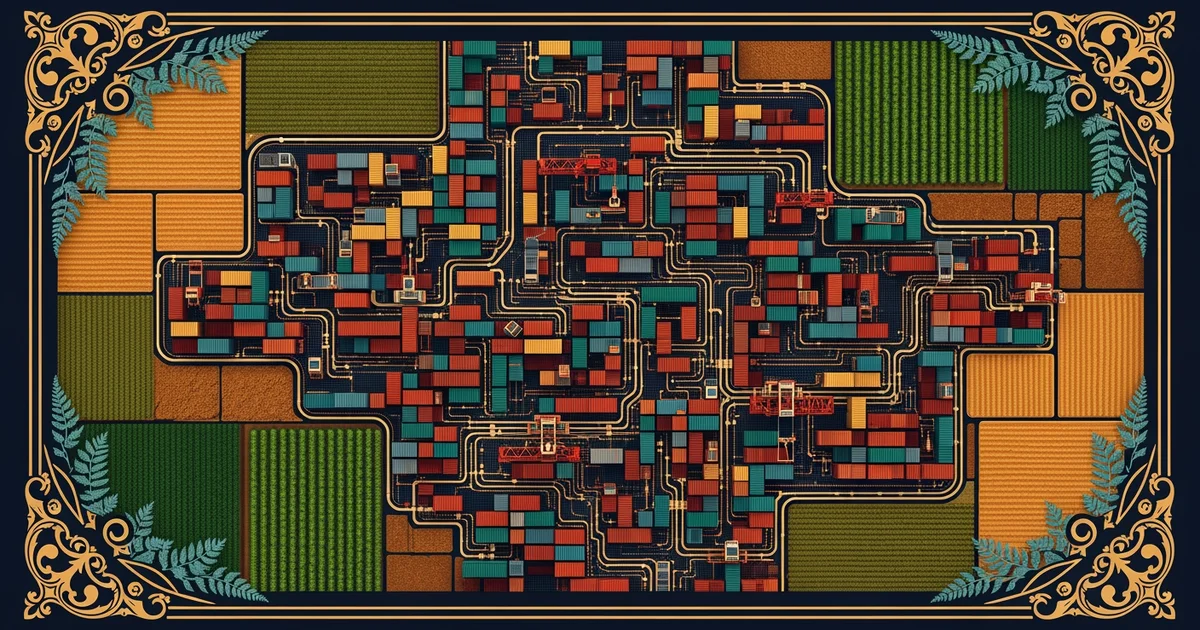
Imagine a world where your daily salad grows inside a high-tech shipping container located just blocks from your home. This vision represents the future of our food systems, moving away from massive, distant farms toward localized, hyper-efficient production methods that bypass traditional supply chain limitations. By integrating advanced technology into how we produce and consume nutrients, we can address the growing tension between a rising global population and the limited availability of arable land. These innovations are not just science fiction; they are active experiments reshaping how we define a sustainable meal in an increasingly crowded world.
Advancements in Controlled Production
Transitioning from traditional agriculture, we find that vertical farming utilizes stacked layers to grow crops within urban environments. This method mimics a high-rise building for plants, where every floor optimizes light, water, and temperature to ensure maximum yield throughout the year. Because these systems function like a closed-loop economy, they recycle water and eliminate the need for chemical pesticides that often leak into local ecosystems. This approach effectively solves the issue of land scarcity by turning empty warehouses into productive green spaces. By reducing the distance food travels, these systems significantly lower the carbon footprint associated with long-haul transportation, making fresh produce accessible even in regions with harsh climates.
Key term: Vertical farming — a method of growing crops in stacked layers or vertically inclined surfaces, often integrating controlled-environment agriculture to optimize plant growth.
While vertical farming addresses space, we must also consider the efficiency of our resource usage compared to past methods. Traditional farming relies on vast fields that are vulnerable to unpredictable weather patterns, creating a fragile system prone to sudden shortages. In contrast, future food innovations rely on precision data to manage every variable of plant health. Consider this analogy: if traditional farming is like driving a car without a map across a vast desert, then vertical farming is like riding a high-speed train on a fixed, perfectly maintained track. Both move you toward your destination, but one offers total control over the variables that determine whether you arrive safely and on time.
Biotechnology and Alternative Proteins
Beyond growing plants, we are seeing a massive shift toward cellular agriculture, which involves producing animal products from cell cultures rather than raising livestock. This technology allows scientists to harvest a small number of cells and grow them into meat products inside sterile bioreactors. By removing the need for raising, feeding, and slaughtering entire animals, this process drastically reduces the land and water required to produce protein. This innovation directly addresses the environmental concerns raised in our study of sustainable agriculture, where we learned about the heavy resource burden of animal husbandry. When we look at the global food system, this shift represents a move toward decoupling food production from the limitations of biological growth cycles.
To better understand how these various innovations compare in their impact on our food systems, consider the following table of emerging technologies:
| Innovation Type | Primary Resource Saved | Main Benefit |
|---|---|---|
| Vertical Farming | Land and Water | Urban accessibility |
| Cellular Meat | Land and Feed | Animal welfare |
| Precision Fermentation | Energy and Time | Nutrient density |
These technologies do not exist in a vacuum; they interact to create a more resilient network. For instance, the energy required for vertical farming could be provided by renewable sources, further enhancing the sustainability of the entire system. We are moving toward a future where our food is created by design rather than by chance. This transition requires us to rethink the complex network of global food systems, moving away from a reliance on fragile, long-distance supply chains toward a model that prioritizes local resilience and technological efficiency. As we evaluate these advancements, we must ask ourselves how we can ensure these technologies remain accessible to everyone, rather than becoming luxury items for a select few.
Future food innovations prioritize technological efficiency and localized production to replace the fragile, resource-heavy supply chains of our current global agricultural model.
Now that we understand these emerging technological solutions, we will examine how to maintain global food resilience against sudden environmental and economic shocks.