
Retail Distribution Models
Walking into a grocery store, you likely see rows of fresh produce stacked with precision. Have you ever considered why certain items sit near the front while others remain hidden in the back?
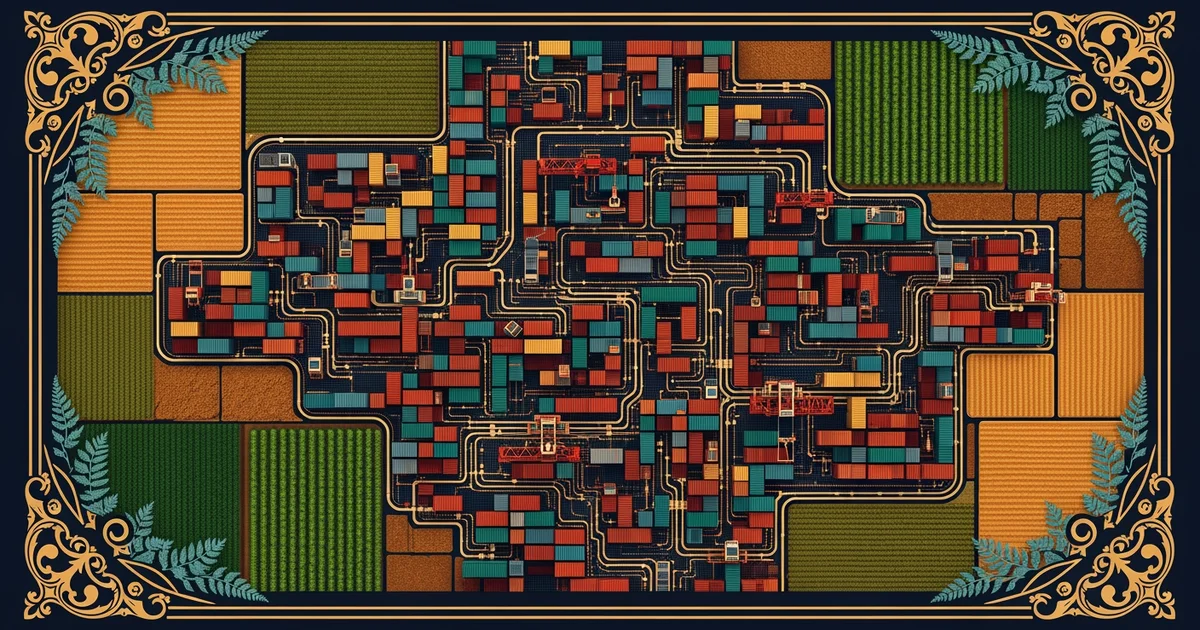
Retail Distribution Architectures
Retailers use specific strategies to manage the movement of goods from large warehouses to your local shelves. These distribution models rely on complex logistics to ensure that perishable items reach consumers before they spoil. Think of these systems like a massive relay race where every handoff must be perfectly timed to avoid losing the product. If the speed of the relay slows down, the food quality drops immediately. Retailers must balance the costs of storage against the need for rapid turnover. By using data, stores predict exactly how much food they need to order each week.
Key term: Distribution models — the structured methods and logistical networks that companies use to move food products from processing facilities to final retail locations.
Large supermarket chains often employ a centralized distribution system to maintain control over their vast inventory. They ship goods to regional hubs before sending them out to individual store locations across the country. This centralized approach allows for better quality oversight and lower transport costs through bulk shipping methods. Smaller independent grocers often use decentralized models where they purchase goods from many local suppliers directly. This strategy supports local economies but requires more complex management of many different delivery schedules and standards. Each model creates different trade-offs for the environment and the final price you pay at the register.
Comparing Retail Access Strategies
Retailers choose their methods based on the types of food they sell and their target customer base. Some stores focus on high-volume sales of shelf-stable goods, while others prioritize the rapid movement of fresh items. The following table highlights the primary differences between these common retail approaches to food access:
| Model Type | Primary Focus | Inventory Speed | Supplier Source |
|---|---|---|---|
| Centralized | Cost efficiency | High turnover | National hubs |
| Decentralized | Local variety | Variable speed | Local farms |
| Direct-to-Consumer | Freshness | Very fast | Producer direct |
These models dictate how much variety you see on your local shelves during a typical shopping trip. When a store uses a centralized model, you might find consistent prices but less variety from nearby producers. A decentralized model might offer unique local items but often at a higher price point for the consumer. The choice of model impacts the total distance food travels, which is a major factor in the overall carbon footprint of your meal. Understanding these patterns helps you see the hidden mechanics behind the food items sitting in your pantry.
Retailers must also adapt to changing consumer habits by integrating digital platforms into their existing physical distribution networks. Many stores now allow you to order groceries online for quick pickup at the curb. This hybrid approach adds a new layer of complexity to the supply chain by requiring staff to pick items manually. It changes how stores organize their floor space to accommodate both in-store shoppers and online order fulfillment teams. These shifts represent a move toward more flexible systems that can handle both traditional and modern shopping needs. As technology improves, these distribution networks will continue to evolve to meet the rising demand for convenience and speed.
Retail distribution models act as the vital bridge between massive production systems and your personal kitchen by balancing the speed of delivery with the quality of the food.
But what happens when these complex supply chains cross international borders and face conflicting government regulations?