
Trade Policy Impacts
Imagine you walk into a grocery store and find that the price of local wheat has suddenly doubled overnight. This strange price shift often happens because of global rules rather than local crop failures or bad weather. International trade agreements act like a complex set of traffic lights for food moving across borders between nations. When these lights stay green, food flows freely and prices remain stable for families everywhere on the planet. When these lights turn red, food gets stuck at borders and prices spike for the average consumer.
The Mechanics of Global Trade Agreements
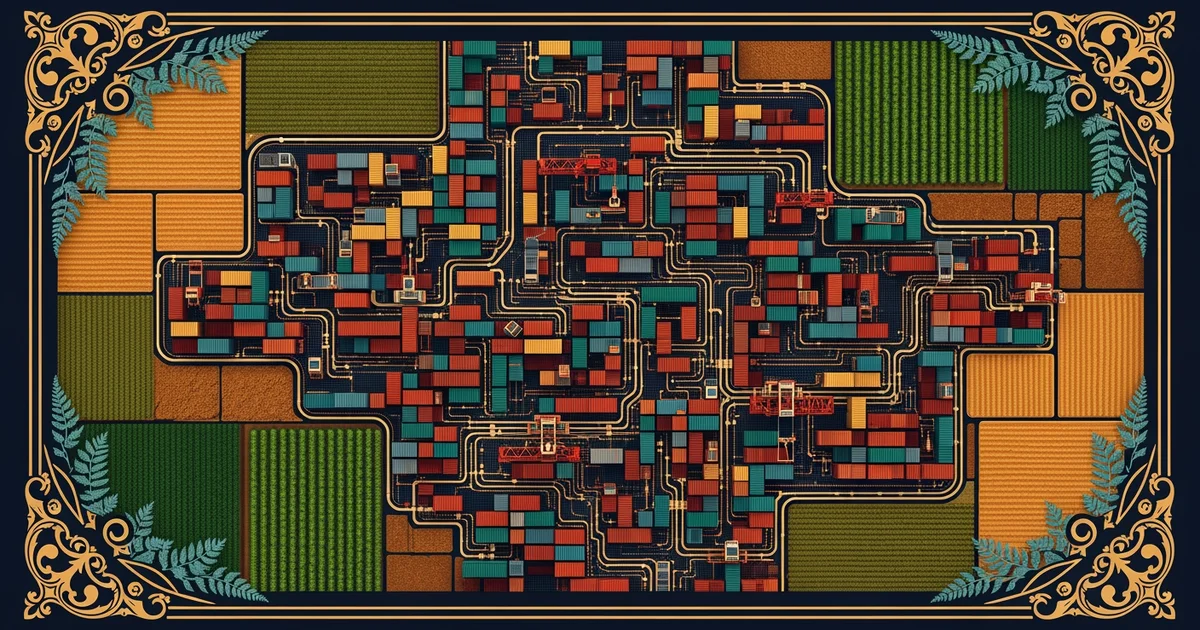
Global trade policies function like a massive, interconnected plumbing system that regulates how resources move around the world. These agreements determine which countries can sell their crops to others without paying extra fees or taxes. When a country imposes a high tax on imported food, it makes that food more expensive for its own citizens to buy. This policy is often designed to protect local farmers from being undercut by cheaper international competition. However, this protectionism can also trigger retaliatory actions from other countries, creating a cycle of rising food costs.
Key term: Protectionism — the economic policy of restricting imports from other countries through methods such as tariffs or quotas to protect domestic industries.
Governments use these tools to balance the needs of their local producers against the needs of their hungry population. If a government restricts imports too much, the domestic supply of food might drop while demand remains high. This imbalance forces prices to climb, making it difficult for low-income families to afford basic daily necessities. It is a delicate balancing act that requires constant monitoring to ensure that food remains accessible to everyone regardless of their location.
Impacts on Local Food Security
Trade policies significantly influence food security, which is the reliable access to enough affordable and nutritious food for all people. When trade barriers are lowered, countries can import food that they cannot grow themselves due to their unique climate or geography. This exchange allows a nation to focus on growing what it does best while buying other items from efficient partners. This system works well until a global crisis occurs, which can suddenly disrupt the entire supply chain.
To understand how trade affects your plate, consider these three primary policy tools used by nations today:
- Tariffs act as a financial penalty on imported food items, which forces the final retail price to increase for the shopper.
- Quotas set a strict limit on the total volume of a specific food item that can enter a country each year.
- Subsidies provide government money to local farmers, which keeps their production costs artificially low compared to foreign competitors.
When a country relies too heavily on imports, it becomes vulnerable to changes in global trade policies or sudden political tensions. If a major trading partner decides to stop selling a staple crop, the importing nation might face sudden shortages. This reality forces many countries to maintain a strategic reserve of food to survive periods of market volatility. Balancing open trade with local production is the most effective way to keep food systems stable and resilient for the future.
Trade policies dictate the flow and cost of food by balancing domestic farm protection against the need for affordable global supplies.
But what does the massive amount of food loss look like in practice once it finally reaches our local markets?