
Optimizing The Work Triangle
Imagine you are running a frantic kitchen relay race where every extra step feels like burning precious fuel. When you turn from the stove to the sink, every unnecessary movement adds up to massive fatigue by the end of your shift. Most home cooks ignore their floor plans until their legs ache and their pace slows down significantly. You can prevent this physical drain by organizing your kitchen around a central movement path that minimizes your daily travel distance. By mastering this spatial layout, you turn a chaotic room into a smooth, high-speed machine that respects your energy levels.
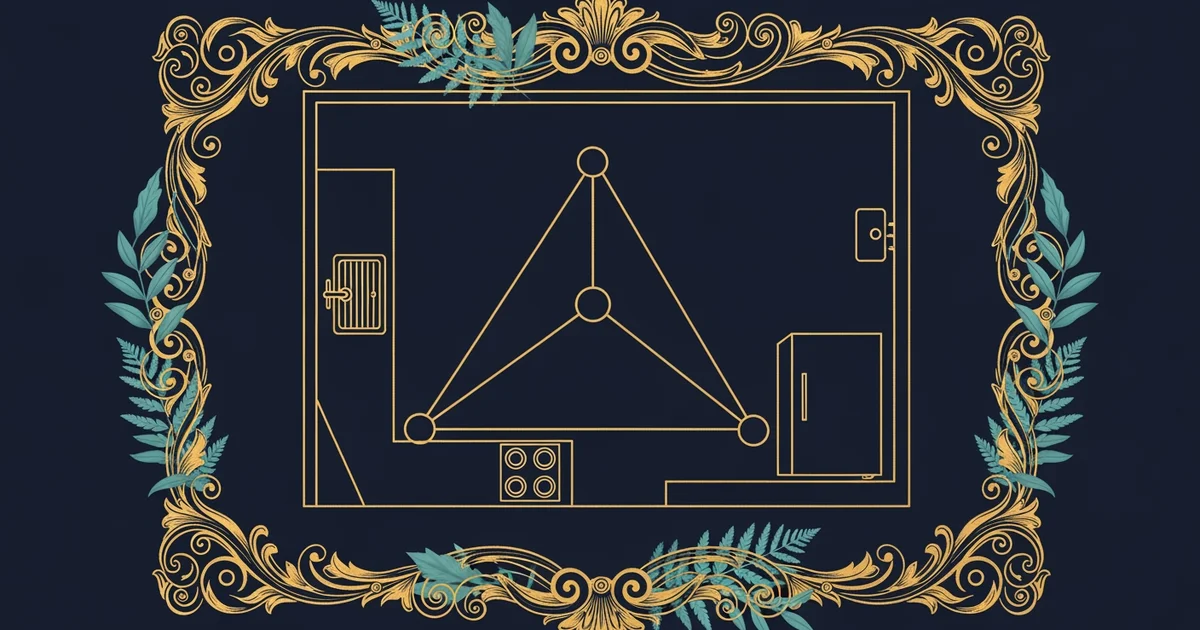
The Geometry of Cooking Efficiency
The work triangle is the invisible path connecting your refrigerator, your sink, and your cooking range. When you place these three points in a balanced arrangement, you reduce the time spent walking while preparing complex meals. Think of this layout like a professional delivery route where the driver never doubles back to reach a destination. If your refrigerator sits too far from your prep sink, you waste energy carrying heavy items across the room repeatedly. A well-designed kitchen treats these three zones as a single, integrated unit that supports your natural flow of motion.
To ensure your kitchen functions at its peak, you should measure the distance between these three vital zones carefully. The total length of all three sides of your triangle should stay between four and eight meters. If the distance is too short, you will bump into appliances while trying to move between tasks. If the distance is too long, you will feel exhausted from traversing the kitchen floor just to boil water or wash a single vegetable. Balancing these distances creates a comfortable zone that keeps your tools within easy reach at all times.
Key term: Work triangle — the most efficient arrangement of the three primary kitchen stations that minimizes travel distance during cooking.
Optimizing Your Kitchen Layout
When you reorganize your floor plan, you must consider how each station interacts with the others during a standard cooking task. You should place your landing zones adjacent to major appliances to provide immediate space for heavy pots or grocery bags. A landing zone acts like a pit stop in a race, allowing you to offload gear without walking to a separate counter. The following table highlights the ideal placement strategies for a high-performance kitchen environment.
| Station | Ideal Partner | Primary Purpose | Clearance Needs |
|---|---|---|---|
| Refrigerator | Prep Sink | Unpacking food | High floor area |
| Prep Sink | Stove | Washing produce | Medium counter |
| Stove | Landing Zone | Cooking items | Heat-safe area |
Following these guidelines ensures that your kitchen workflow remains logical and physically sustainable over long periods of time. You should avoid placing obstacles like kitchen islands or trash bins directly inside your main work triangle path. When you clear these pathways, you enable a natural, rhythmic movement that makes the act of cooking feel less like labor. By focusing on these mechanics, you gain the freedom to focus on your culinary results rather than your physical discomfort.
Implementing these spatial changes requires a clear understanding of your current habits and how you move while preparing food. You might notice that you constantly reach for the same tools while standing in one specific spot. If you find yourself pivoting too often, you should move your most used utensils to a location that aligns with your triangle. This minor adjustment saves your joints from repetitive strain and keeps your focus sharp throughout the entire cooking process. Small, deliberate changes to your kitchen layout will pay off with increased speed and reduced physical exhaustion every time you step into the kitchen.
Optimizing the distance between your primary kitchen stations creates a seamless flow that preserves your energy and improves your overall cooking speed.
But what does it look like in practice when we consider the specific tools we grip and hold during this process?
Want this with sources you can check?
Premium Learning Paths for Culinary Arts & Gastronomy are researched against open-access libraries — PubMed, arXiv, government databases, and more — with their distinctive claims cited to real sources and independently checked.
See what Premium includes