
Defining Home Kitchen Ergonomics
You reach for a heavy pot on a high shelf and feel a sharp pull in your lower back. This common kitchen struggle shows how your environment dictates your physical health while you cook each day. Your kitchen is not just a room for food preparation but a complex machine that relies on your body to function properly. When you understand how this machine works, you can adjust your space to save energy and protect your muscles from unnecessary strain.
The Principles of Efficient Movement
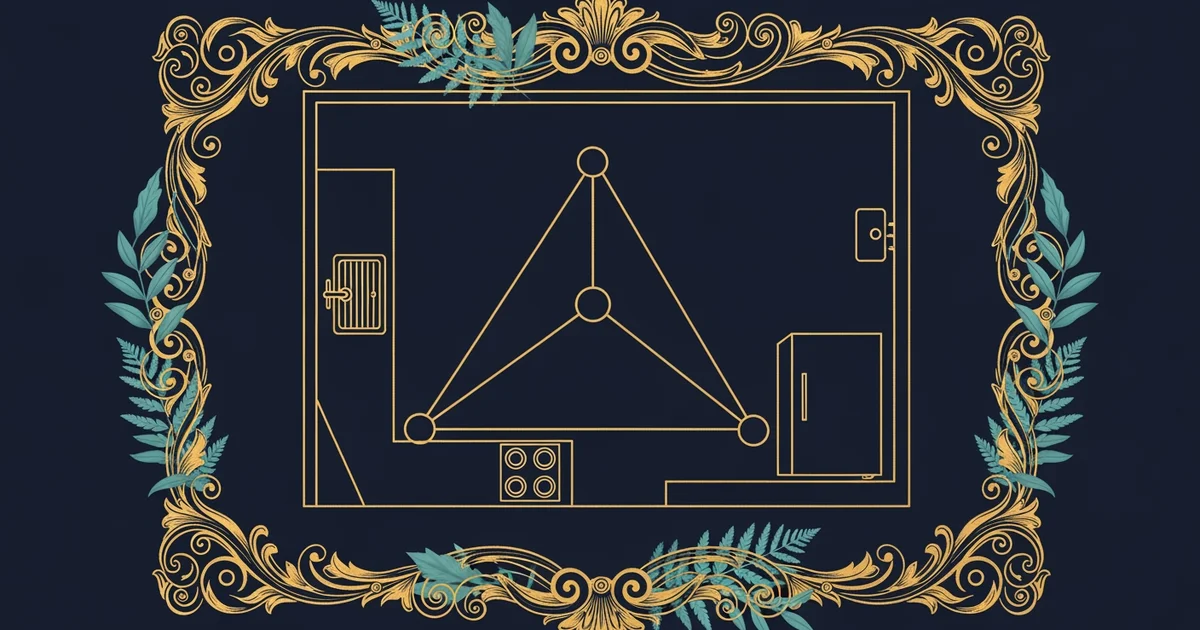
Kitchen design focuses on how you move between the stove, the sink, and the refrigerator. This area is often called the work triangle because it forms a path between these three essential stations. If this path is blocked or too long, you waste energy by walking extra steps every time you cook a meal. Efficient layouts minimize these distances to ensure you spend more time cooking and less time moving across the room. Think of your kitchen like a well-organized toolbox where every tool sits exactly where your hand naturally reaches for it. If you have to dig through a messy drawer to find a spatula, you lose focus and waste precious time. Organizing your space based on how often you use certain items will make your daily cooking routine much smoother.
Key term: Ergonomics — the study of designing environments and tools to fit the natural physical needs of the human body.
When you apply these principles, you reduce the risk of fatigue and injury during long cooking sessions. Most people store heavy items in places that force them to bend or reach in awkward ways. You should keep items you use daily at waist height to avoid straining your back or shoulders. Placing heavy pots near the stove prevents the need to carry them across the kitchen while you are busy multitasking. Small adjustments to where you store your gear will have a massive impact on how you feel after making dinner. You can improve your comfort by keeping these three rules in mind for your storage choices:
- Store frequently used items between your waist and shoulder height to ensure they remain within easy reach.
- Keep heavy objects on lower shelves or counters to prevent the risk of dropping them from high places.
- Group related tools together so you can grab everything needed for a specific task in one single movement.
Designing for Physical Comfort
Your body experiences physical stress when you work in a space that ignores your natural range of motion. Standing on hard floors for long periods can lead to leg pain and tired joints. You can solve this by adding a cushioned mat to the area where you stand most often, such as in front of the sink. Proper lighting also plays a major role in your comfort because it prevents you from hunching over to see what you are cutting. If you cannot see your work clearly, your body will instinctively lean forward, which creates tension in your neck and upper back. Proper illumination allows you to maintain a healthy posture while you prepare your ingredients with precision and care.
| Feature | Physical Impact | Adjustment Strategy |
|---|---|---|
| Floor Surface | Joint fatigue | Use anti-fatigue mats |
| Lighting | Eye and neck strain | Install bright task lights |
| Counter Height | Back muscle tension | Use tall cutting boards |
By matching your kitchen layout to your height and reach, you turn a chore into a seamless experience. You will find that you can cook for longer periods without feeling the aches that usually follow a busy day in the kitchen. This path will teach you how to analyze your own kitchen and make changes that protect your body for years to come.
Designing your kitchen workspace around your natural body movements reduces physical strain and maximizes the efficiency of every task you perform.
By understanding how your body interacts with your tools, you are now ready to explore how your muscles and joints function while you move through your kitchen.