
East Asian Dining Protocols
You are sitting at a formal dinner table where the host offers a delicious bowl of steaming rice. You reach for your utensils, but you suddenly pause because you remember that how you hold your tools changes the entire meaning of your actions. Using chopsticks correctly is more than a way to move food from a plate to your mouth. It acts as a vital bridge between your personal habits and the deep history of the people hosting you. When you master these small physical movements, you show that you value the culture and the care behind the meal. Learning these protocols helps you navigate social interactions with grace while showing respect for your hosts.
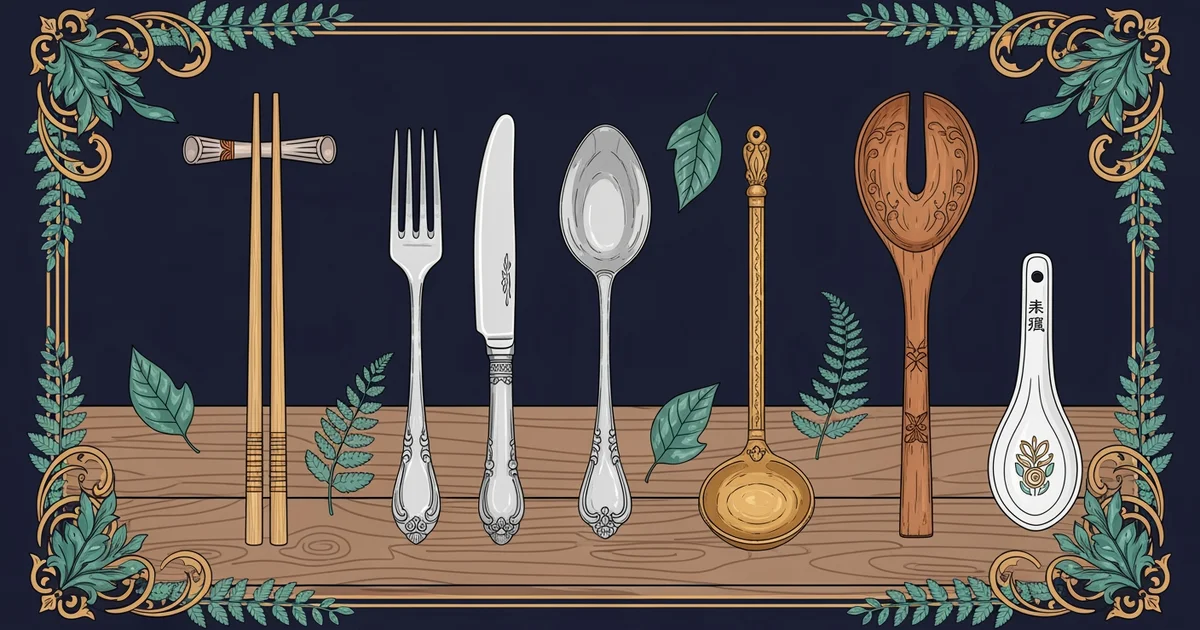
The Mechanics of Chopstick Etiquette
Proper chopstick use relies on your ability to treat these tools as an extension of your own hand. You should hold the sticks near the top rather than the middle or the tips. This placement gives you better control and keeps your fingers away from the food you intend to share. Think of using chopsticks like managing a budget for a project you really care about. If you hold the budget too tight, you lose flexibility and cause stress for everyone involved. If you hold it too loose, the entire plan falls apart because you lack the necessary control to reach your goals. By holding the sticks at the correct balance point, you ensure that every movement is steady, precise, and respectful to the people watching you.
There are several common mistakes that can unintentionally cause discomfort during a shared meal. You must avoid sticking your chopsticks vertically into a bowl of rice at all times. This specific action mimics incense sticks placed at a funeral, which creates a negative emotional response for many guests. You should also avoid pointing your chopsticks at others while you speak or gesture across the table. These movements disrupt the calm flow of the conversation and may make your companions feel defensive or uncomfortable. Consistency in your physical behavior allows the host to focus on the conversation rather than worrying about your table manners.
| Action | Cultural Meaning | Recommended Alternative |
|---|---|---|
| Vertical sticks | Funeral ritual | Place sticks on the rest |
| Pointing sticks | Aggressive gesture | Keep hands near the plate |
| Passing food | Ritual association | Use serving spoons only |
Navigating Shared Dining Spaces
When you participate in a shared meal, you must remember that the communal dishes belong to everyone at the table. You should use a designated serving spoon to move food from the main platter to your own bowl. If a serving spoon is not provided, you should use the clean ends of your own chopsticks to move the items. This practice ensures that no one is worried about hygiene while they focus on the flavors of the food. Many cultures view the shared table as a sacred space where harmony is the most important ingredient of the evening. Respecting these boundaries allows you to build stronger relationships with your hosts through simple, consistent, and polite physical actions.
Key term: Chopstick rest — a small decorative object used to hold the tips of your chopsticks off the table surface.
Using the chopstick rest is a sign of good manners that keeps the table clean and shows you value the host's home. You should place your sticks on the rest whenever you are drinking tea or engaging in a long conversation. This simple act tells the host that you are pausing your meal rather than finishing it entirely. It also keeps your tools from rolling onto the floor or touching dirty surfaces during the event. By following these small protocols, you demonstrate that you are a thoughtful guest who understands the importance of maintaining order in a public or private setting. Every action you take at the table communicates your level of respect for the people around you.
Understanding the physical protocols of dining allows you to communicate respect and cultural awareness without needing to speak a single word.
The next Station introduces Middle Eastern hospitality norms, which determines how you should approach shared platters and communal seating arrangements.