
The History of Table Manners
Imagine sitting at a formal dinner where every movement feels like a high-stakes test of your social standing. You watch your neighbors carefully to see which fork they choose, hoping your own choices do not reveal a lack of experience. This tension exists because dining customs have served as a silent language for centuries. Understanding this history helps you see that table manners are not just arbitrary rules, but tools for building trust and signaling respect in every social setting.
The Evolution of Social Hierarchy
Dining rules began as a way to separate the elite from the common people during large feasts. In ancient times, the seating arrangement at a table reflected your power within the community. Those closest to the head of the table held the most influence, while others sat further away to show their lower status. This structure functioned much like a modern corporate hierarchy, where your office location or title dictates your access to information and resources. By strictly controlling who sat where, leaders reinforced their authority without needing to speak a single word.
Key term: Etiquette — the formal code of conduct that governs behavior in social or professional settings to ensure mutual respect.
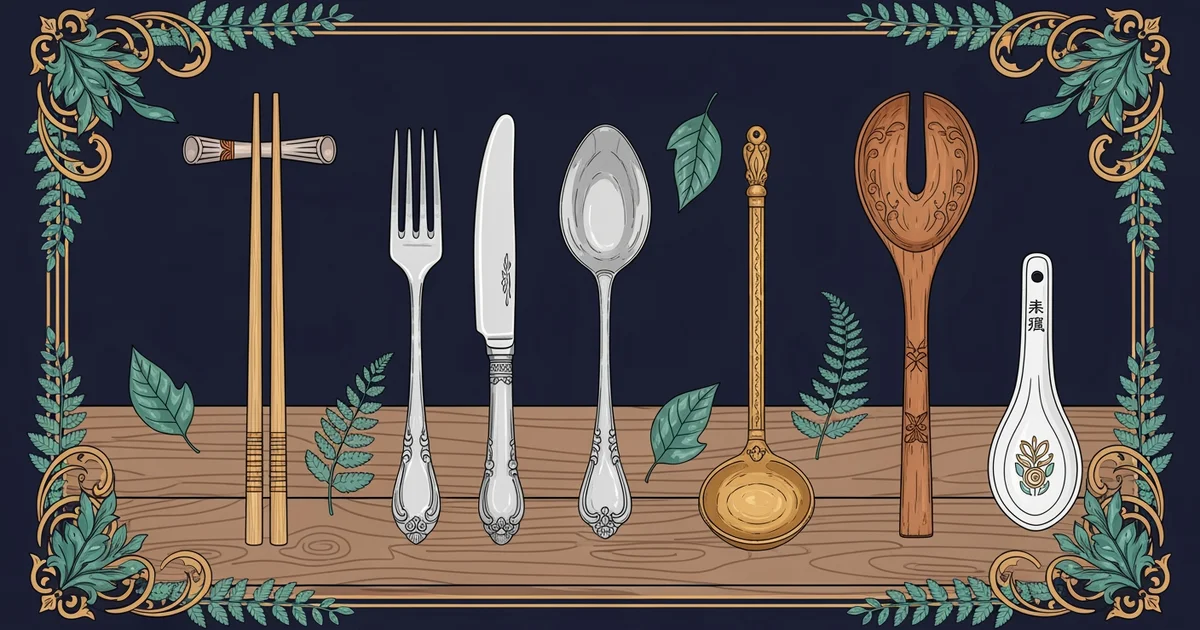
As time passed, these rules moved beyond seating to include how individuals handled their food and utensils. Wealthy families used elaborate displays of silver or gold to prove their prosperity to guests. If you could afford specialized tools for every bite, you clearly possessed the resources to command respect. This behavior created a barrier to entry, as only those within a specific social circle knew the complex rituals required to dine properly. People learned these habits from a young age to ensure they could navigate elite circles without facing social exclusion.
The Transition to Modern Standards
During the Middle Ages, the rise of a middle class changed how society viewed these rigid dining traditions. Merchants and traders began to copy the habits of the nobility to gain social mobility and acceptance. This imitation forced the elite to invent even more complex rules to maintain their unique status. The following list highlights how these historical shifts influenced the development of standard dining practices:
- Utensil specialization emerged when hosts introduced unique tools for different food types to signal their ability to afford diverse and complex culinary preparations.
- Personal space management became a way to show self-control, as diners who remained composed and tidy were viewed as more reliable and educated members of society.
- Synchronized movement at the table served as a display of group unity, proving that everyone present shared the same values and understood the same social expectations.
These practices eventually filtered down into the general public as manners became a marker of personal character rather than just wealth. Today, we follow these traditions to put others at ease rather than to exclude them. When you understand the roots of these customs, you can adapt your behavior to fit any environment with confidence. You are essentially using a shared map to navigate social interactions, ensuring that everyone feels comfortable and respected during the meal. This history provides the foundation for the non-verbal cues we will explore in the next section of this learning path.
Table manners originated as a method to signal social status and maintain group order, but they have evolved into a universal language of respect and inclusion.
Now that we understand the history of these rules, we will examine how your non-verbal actions communicate your intentions to others at the table.