
Future Trends
Imagine walking into a store where every shelf adjusts its height and lighting to match your physical needs. This is not science fiction, but the inevitable evolution of the modern experience economy as technology shifts toward radical personalization. Companies are no longer just selling products, they are designing entire ecosystems that anticipate customer desires before a request is even voiced. By integrating data with human-centered design, businesses create lasting value that bridges the gap between simple transactions and meaningful, long-term relationships.
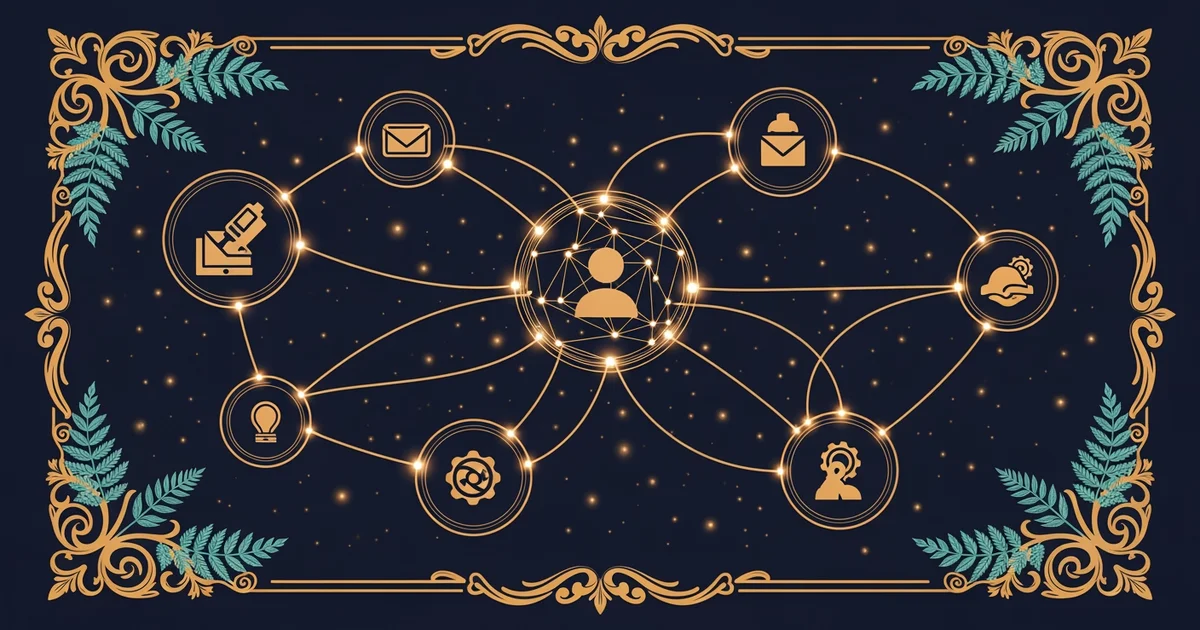
The Shift Toward Predictive Engagement
To understand how companies design for the future, we must look at how data drives predictive interaction. In the past, brands reacted to problems after a customer complained or reached out for help. Future design patterns prioritize proactive support, where systems identify friction points and resolve them in the background. Think of this like a thermostat that learns your preferred temperature throughout the day without you ever touching a dial. This transition requires a deep understanding of user habits, allowing the system to act as a silent partner rather than a rigid tool.
Key term: Predictive interaction — a design approach where systems anticipate user needs based on data patterns to provide solutions before a request occurs.
This shift builds directly upon the concepts of the CX Strategy, where we previously mapped out customer journeys to identify touchpoints. By merging those static maps with real-time analytics, businesses move from planning to living, breathing experiences. The tension here lies in balancing helpful automation with the human need for privacy and control. If a brand knows too much, it feels invasive, but if it knows too little, the experience feels disconnected and inefficient.
Integrating Artificial Intelligence
Artificial intelligence acts as the engine for this new level of service, transforming how customers interact with brands. Rather than navigating complex menus, customers will soon engage with generative interfaces that adapt to their unique communication styles. These systems do not just answer questions, they synthesize information to offer tailored recommendations based on past behavior and current context. This is much like having a personal assistant who knows your schedule, your preferences, and your goals, ensuring that every interaction feels curated.
| Interaction Type | Traditional Approach | Future AI Approach |
|---|---|---|
| Product Search | Keyword filtering | Intent prediction |
| Support Help | Manual ticketing | Proactive resolution |
| Brand Feedback | Periodic surveys | Sentiment analysis |
As shown in the table above, the move toward AI-driven design reduces the cognitive load on the user. Instead of forcing the customer to learn how a system works, the system learns how the customer thinks. This evolution requires designers to focus on intent rather than just interface layouts. When a system understands the 'why' behind a user action, it can bypass unnecessary steps, leading to a frictionless experience that feels almost invisible to the user.
Designing for Human Connection
While technology advances, the core objective of business remains the same: fostering genuine human connection. Designing for the future means using these powerful tools to enhance, rather than replace, the human touch. When brands use AI to handle routine tasks, they free up their human teams to focus on complex, high-empathy interactions that machines cannot replicate. This synergy creates a robust brand identity that feels both technologically advanced and deeply personal.
By synthesizing the lessons from our journey, we see that lasting value comes from the intersection of technology and empathy. Companies that succeed will be those that prioritize the customer's well-being above short-term efficiency gains. This requires constant testing, learning, and refining of the brand experience to stay aligned with shifting human needs. Ultimately, the best systems are those that empower the user to achieve their goals with the least amount of friction possible.
Lasting value is created when brands use predictive technology to remove friction while preserving the essential human elements of an interaction.
Designing for the future requires balancing advanced automation with the fundamental human need for meaningful and respectful brand relationships.