
Defining Customer Experience
Imagine you walk into a local bakery to buy a simple loaf of bread. You expect the store to be clean, the staff to be polite, and the bread to be fresh. If the floor is sticky or the cashier ignores you, you feel frustrated even if the bread tastes perfect. This feeling is the core of how we judge a brand. It is not just about the item you buy, but how you feel during the process. Companies that win long-term loyalty understand that every touchpoint matters to the final result.
The Components of Customer Interaction
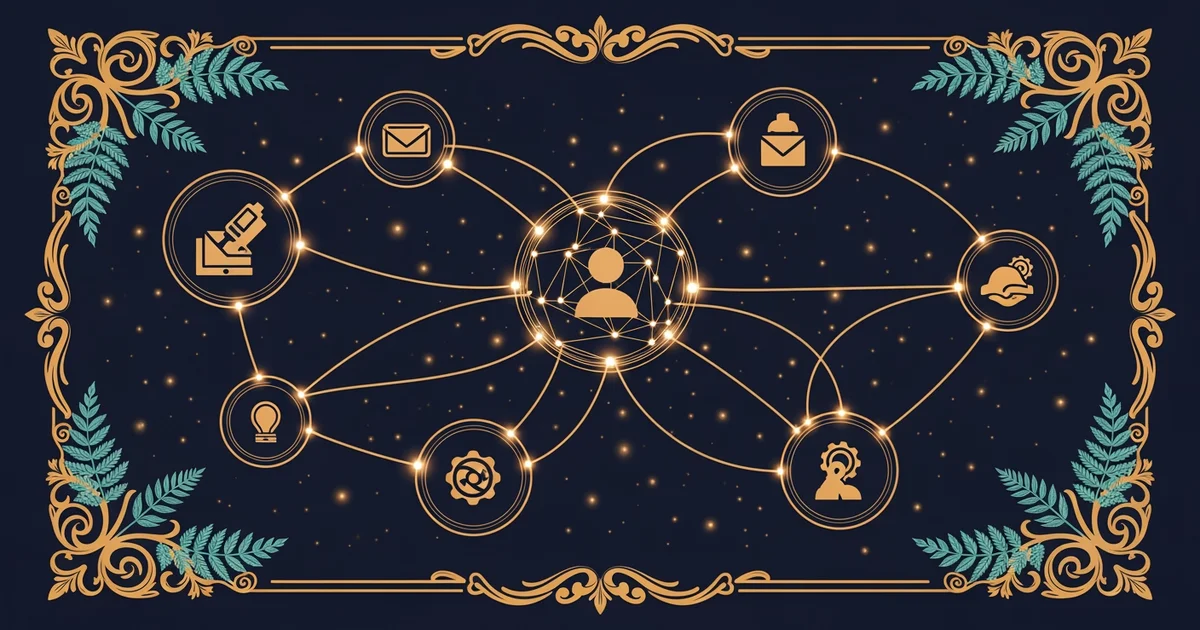
Successful brands treat every interaction as a chance to build a lasting relationship with the buyer. A customer experience is the sum of every feeling, action, and reaction a person has with a company. It starts the moment a customer sees an advertisement or visits a website. It continues through the purchase and lasts long after the transaction is finished. Think of it like a theater performance where the actors and the stage design work together. If the lighting is bad or the sound is off, the audience misses the message of the play. Businesses must ensure that their digital tools, physical stores, and support teams all perform in harmony.
Key term: Customer experience — the total collection of thoughts and feelings a person develops during every single interaction with a brand.
Companies often struggle when they view interactions as separate, unrelated events rather than one single journey. When a website is easy to use but the return policy is confusing, the customer feels a sense of distrust. This gap between expectations and reality creates a negative impression that is hard to fix. To bridge this gap, businesses map out the entire process to ensure consistency at every stage. They look for friction points where a customer might feel annoyed or confused. By removing these hurdles, they create a smooth path that leads to a happy and loyal customer.
Distinguishing Service from Experience
Many people confuse the idea of service with the broader concept of experience in business settings. Service refers to the specific actions taken to help a customer, such as answering a question or processing a payment. It is a functional part of the business that focuses on solving a specific problem. In contrast, experience is the emotional result that happens after those services are delivered. You might receive excellent service during a refund, yet still have a poor overall experience if the process took too long. The following table highlights the differences between these two important business concepts.
| Feature | Service | Experience |
|---|---|---|
| Focus | Specific task | Total journey |
| Nature | Functional | Emotional |
| Timing | Transactional | Long-term |
| Goal | Problem solved | Loyalty built |
To better understand how these elements function, we can look at the way different companies prioritize their resources. Some businesses focus heavily on speed, while others focus on building a personal connection with their clients. The most successful brands manage to balance both by being efficient while remaining friendly. They recognize that a fast transaction is useless if the customer feels like a number rather than a person. By focusing on how the customer feels, they turn a simple purchase into a memorable moment that encourages them to return again in the future.
This path provides you with the skills to design better business journeys by connecting every interaction to a clear value goal.
Creating lasting value requires companies to treat every interaction as a vital part of an emotional journey rather than just a simple transaction.
The next station explores how the definition of value has changed over time to include these deeper emotional connections.