
Mapping the Journey
Imagine walking through a dense forest without a marked path to guide your steps toward safety. You might eventually reach your destination, but you will likely face unnecessary obstacles and wasted energy along the way. Designing a business experience without a clear map is exactly like wandering through that dark, confusing forest without any guidance. Mapping the journey provides the essential clarity needed to ensure that every interaction serves a clear purpose for the user. By visualizing how someone moves from discovery to purchase, companies can remove friction and build meaningful, lasting value.
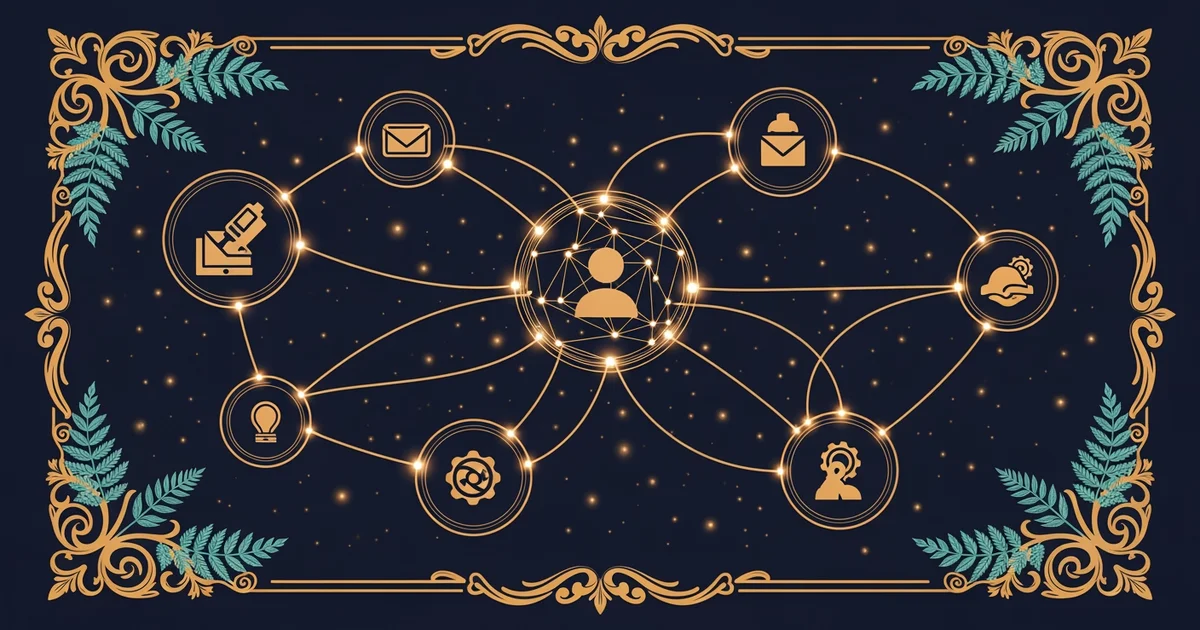
Visualizing the Customer Path
A customer journey map is a visual representation of the various steps a person takes when interacting with a brand. It tracks the entire timeline from the first moment of awareness to the final point of purchase or post-purchase support. Think of this process like planning a complex road trip across a country with many different stops and changing road conditions. You must anticipate where the traveler might get lost or feel frustrated by poor signage and confusing detours. Mapping these moments allows the business to place helpful signs exactly where they are needed most to keep the journey moving forward.
To build an effective map, you must focus on the specific actions taken by the user rather than the internal goals of the company. Each step represents a distinct touchpoint where the brand communicates its value proposition to the customer. When you ignore these small interactions, you risk losing the customer to a competitor who offers a smoother, more intuitive experience. By documenting every single step, you gain the ability to identify exactly where the process breaks down or feels disconnected. This documentation serves as a blueprint for improving the overall flow and ensuring that the brand promise remains consistent at every single stage.
Key term: Customer journey map — a visual diagram that illustrates the steps a user takes to interact with a brand and reach a specific goal.
Identifying Critical Touchpoints
Once you have mapped the general path, you must analyze the quality of each interaction to ensure it adds genuine value. A touchpoint is any point of contact between a customer and your brand, such as a website visit, a social media ad, or a customer service call. Improving these points requires a deep understanding of what the customer expects at that specific moment in their journey. If a customer is looking for information, they do not want to be pushed into a hard sale immediately. Matching the content to the intent of the user at each stage is the primary way to maintain engagement and build trust.
Consider the typical retail purchase process outlined below to see how these moments connect into a logical flow:
- Awareness: The customer discovers a product through a digital advertisement or a social media post that addresses a specific need they have.
- Consideration: The customer visits the website to compare features, read reviews from other users, and evaluate if the price fits their budget.
- Decision: The customer adds the item to their cart and completes the checkout process by providing payment and shipping details for the order.
- Retention: The brand sends a follow-up email to ensure the product arrived safely and offers support if the customer has any questions.
By evaluating the journey through this structured lens, you can see where the customer might encounter friction or hesitation. The following table highlights how different stages require different strategies to keep the customer moving forward toward a successful transaction.
| Stage | Primary Goal | Potential Friction | Strategy for Success |
|---|---|---|---|
| Discovery | Gain attention | Confusing branding | Clear value message |
| Evaluation | Build trust | Lack of information | Detailed product data |
| Purchase | Finalize sale | Complex checkout | Simple payment flow |
This structured approach prevents the common mistake of focusing only on the final sale while ignoring the long-term relationship. When you treat the journey as a continuous loop rather than a single event, you create opportunities for loyalty. Every interaction builds upon the previous one to reinforce the value that the brand provides to the customer over time. This consistency is the secret to creating a lasting impression that keeps customers returning to your business for future needs.
Mapping the customer journey allows businesses to identify and improve every interaction to ensure a seamless and valuable experience.
The next Station introduces measuring satisfaction, which determines how well the mapped journey actually performs for the target audience.