
Cultural Integration
When Zappos built its famous culture, they realized that happy employees create happy customers naturally. This is the Cultural Integration concept from Station 13 working in real conditions to drive better service. If your internal team does not believe in your brand, your customers will never feel the value you promise them. You must align your staff with your goals to ensure every single interaction remains authentic.
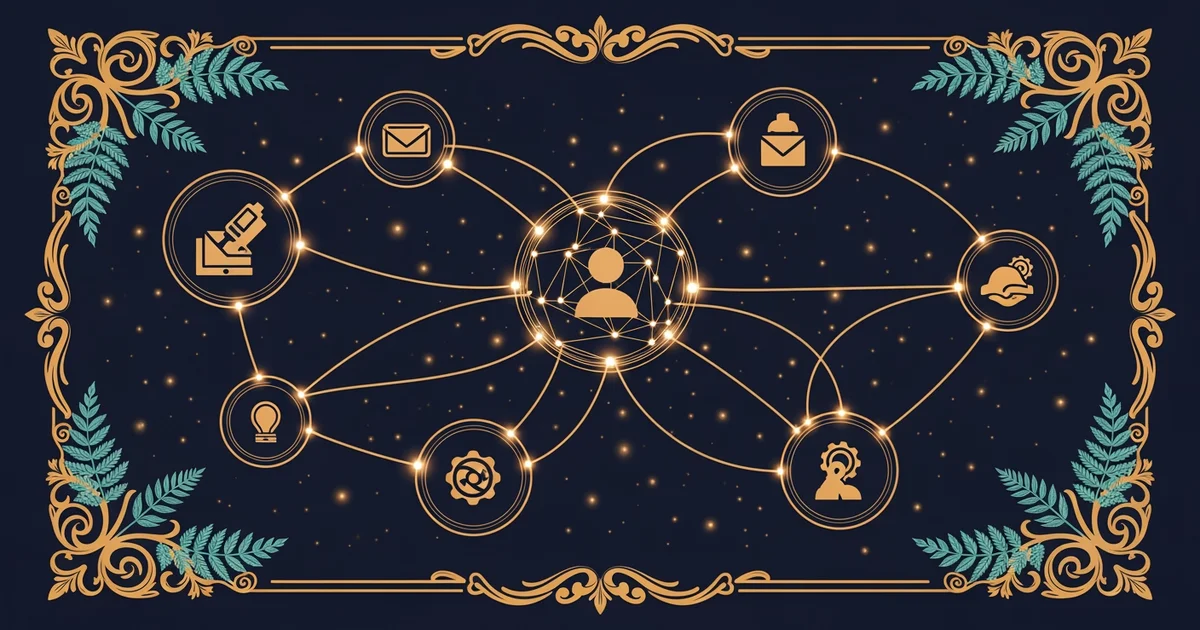
Aligning Internal Values With Customer Needs
Culture acts like the operating system of your entire business organization. Just as a computer needs a stable system to run programs, a company needs a shared set of values to guide employee behavior. When employees understand the mission, they make decisions that support the customer without needing constant supervision. This alignment turns every staff member into a brand ambassador who understands the deeper purpose behind the daily work. You create lasting value when the internal culture mirrors the desired external experience for your target audience.
Key term: Cultural Integration — the process of aligning internal company values and employee behaviors with the external customer experience strategy.
Building this culture requires more than just hanging posters on the wall or sending emails. You must embed customer-centric goals into every part of the hiring, training, and reward processes. If you reward employees for speed but tell them to prioritize customer satisfaction, they will feel confused and frustrated. Consistency between what you say and what you do builds trust within your team. Trusting teams are much more likely to deliver the high-quality care that customers expect from a premium brand.
Building A Unified Customer Mission
To move forward, you must draft a mission statement that puts the customer at the center of everything. This statement serves as a compass for every employee when they face difficult or ambiguous service situations. A strong mission statement explains why the company exists and how it serves the people who buy its products. When every team member knows the goal, they can act with confidence and speed during their interactions.
Consider these three essential steps for creating a mission statement that truly works for your team:
- Define the primary problem you solve for your customers by focusing on the emotional benefit they receive after using your product or service.
- Identify the unique values that guide your team members as they work to solve those problems during their daily service tasks.
- Connect the internal work of your employees to the long-term success of the customer to show why their specific role matters significantly.
| Attribute | Internal Focus | Customer Focus | Goal |
|---|---|---|---|
| Efficiency | Speed of task | Time saved | Value |
| Quality | Error reduction | Reliable usage | Trust |
| Support | Problem solving | Feeling heard | Loyalty |
This table shows how internal metrics must translate directly into positive outcomes for the people you serve. If your internal focus does not lead to a better customer result, you are likely wasting your time on the wrong activities. Use these categories to audit your current internal goals and adjust them to better serve your mission. By focusing on these outcomes, you ensure that your team stays motivated by the actual impact they have on real lives.
This loop shows how your internal culture feeds directly into the value you provide to your customers. When employees feel supported, they provide better service, which creates more loyal customers who then support the business. This cycle is the foundation of long-term growth and success for any organization that wants to remain competitive. You must maintain this loop by constantly checking that your internal culture supports the customer experience you want to build.
True cultural integration happens when internal values and external brand promises become one single, consistent experience for everyone involved.
But this model becomes difficult to maintain when a company grows too quickly and loses its original focus.