
Climate Change History
Imagine finding a tropical palm leaf fossil buried deep beneath the frozen ground of a desolate arctic mountain range today. This impossible discovery acts like a silent witness to a world that shifted its temperature across millions of years. Fossils serve as biological records that track how life struggled or thrived when the planet became much warmer or colder. By examining these ancient remains, we can reconstruct the history of Earth's climate and understand how life adapts to major environmental changes. This process turns a simple rock into a powerful data point for modern climate science.
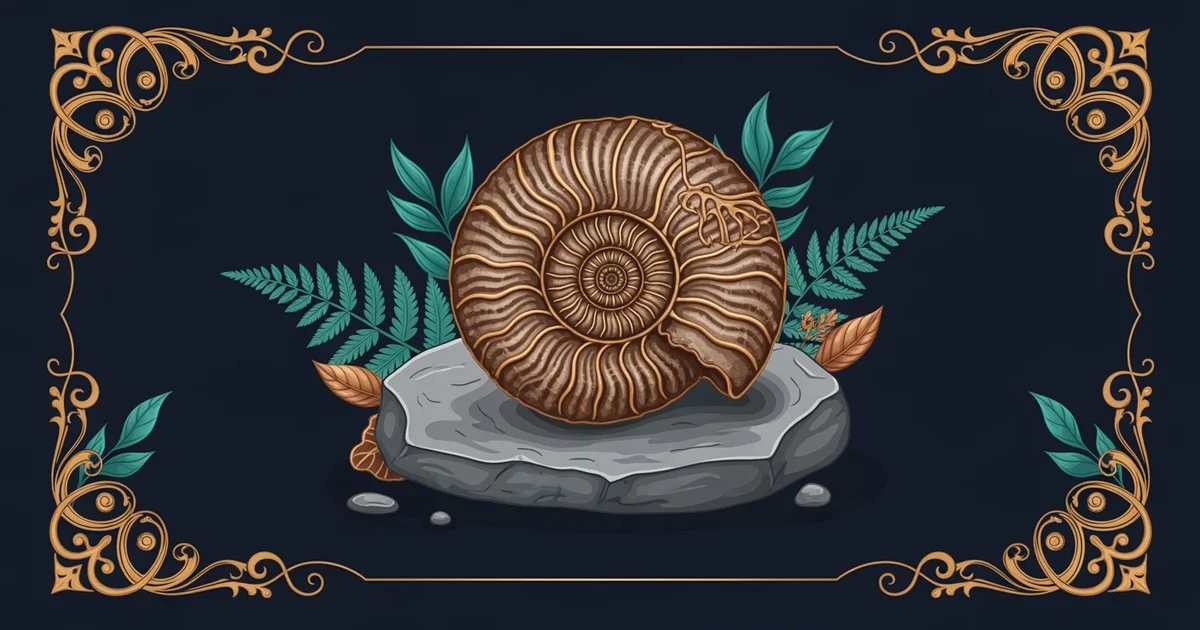
Interpreting Ancient Climates Through Fossil Evidence
Scientists use fossils to map out historical weather patterns because plants and animals require specific conditions to survive. When we find fossils of cold-adapted species in regions that are currently hot, we gain proof of past cooling events. Conversely, finding heat-loving organisms in frozen areas reveals ancient periods of intense global warming. This method is similar to checking a thermostat inside a house to see if the heater was running during a winter storm. Just as the temperature setting explains why the room feels warm, the presence of specific organisms explains the climate of a past era.
Key term: Proxy data — indirect evidence from natural sources like fossils that allows scientists to estimate past climate conditions.
These biological indicators help us connect the dots between evolutionary trends and shifting environments. While earlier stations discussed how species evolve over time, we must now recognize that climate change acts as the primary pressure driving those changes. When the environment shifts rapidly, species must either relocate, adapt their physical traits, or face the reality of extinction. This cycle of change defines the history of life on our planet, proving that biology and climate are linked in an unbreakable, long-term relationship.
Analyzing Environmental Shifts Over Geological Time
To understand these shifts, researchers look at how different types of organisms respond to changing global temperatures. Some species act as reliable climate markers because they only live within a narrow temperature range. If these organisms disappear from the fossil record, we know the local climate likely moved outside their survival threshold. This data allows us to build a timeline of environmental stability and disruption across millions of years. The following table summarizes how different fossil types provide clues about historical climate states.
| Fossil Type | Climate Indicator | Environmental Signal |
|---|---|---|
| Tropical Ferns | High Temperature | Warm and humid air |
| Arctic Moss | Low Temperature | Cold and dry tundra |
| Coral Reefs | Stable Warmth | Shallow tropical seas |
We can see that the history of life is not just a story of survival, but a record of constant negotiation with the atmosphere. By looking at these patterns, we can answer our foundation question about how fossils reveal the secret history of life. Fossils reveal that life is incredibly resilient, yet it remains bound by the physical limits of the planet. When we study the past, we are actually reading a map of where life has been and where it might go in the future. We must ask ourselves if current human-driven changes match the natural shifts we see in the ancient record.
Fossils serve as vital environmental sensors that translate ancient biological remains into a clear record of Earth's shifting climate history.
Next, we will explore how these lessons from the past help us predict the future of paleontology.