
Fossilization Processes
Imagine finding a perfectly shaped seashell deep inside a solid mountain far from the ocean. This strange occurrence happens because ancient organisms undergo a slow transformation that turns bone into stone over millions of years. When a creature dies, its remains must avoid being eaten or scattered by weather to start this process. Rapid burial by mud or sand acts like a protective vault that keeps the body safe from decay. Without this quick shield, nature would recycle the organic matter before the slow work of stone formation could begin.
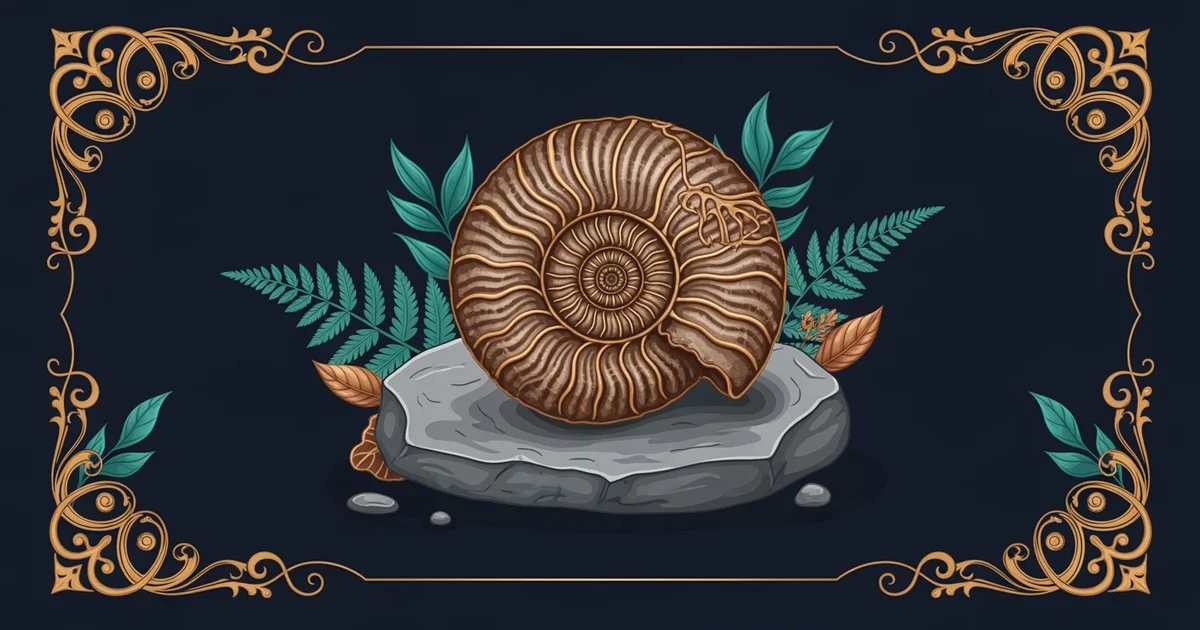
The Mineral Replacement Process
Once buried deep underground, the skeletal remains encounter mineral-rich water flowing through the surrounding soil layers. These fluids carry dissolved elements like silica or iron that seep into the tiny pores of the bone structure. Over vast periods, the original biological material dissolves and is replaced by these hard mineral deposits. Think of this process like replacing the wooden floorboards of a house one by one with durable stone tiles. The shape of the original house remains perfectly intact, but the material composition changes into something much more permanent and resistant to time.
Key term: Permineralization — the process where mineral deposits form internal casts of organisms, preserving them as stone fossils.
This replacement happens slowly enough that even the smallest details of the bone surface get preserved in the final rock. The weight of the overlying sediment also helps compress the layers into solid rock formations over time. This pressure ensures that the fossil remains locked in its geologic position until someone eventually uncovers it. Without this constant pressure and mineral flow, the delicate structures of ancient life would simply crumble away into dust.
Stages of Fossil Preservation
Nature follows a strict set of steps to ensure that a living thing survives the transition into a permanent record. These stages require specific conditions that rarely occur in the wild, which explains why fossils are actually quite rare finds. The following sequence outlines how organic matter moves from a living state to a permanent geologic feature within the Earth:
- Death and rapid burial occur when an organism falls into soft sediment, protecting the remains from scavengers.
- Sediment accumulation builds up over the body, creating enough pressure to turn the surrounding mud into hard rock.
- Groundwater seepage introduces minerals into the pores of the bone, starting the slow replacement of original biological tissue.
- Mineral hardening completes the transformation, turning the once-living bone into a durable, stone-like fossil replica.
- Erosion or human excavation eventually exposes the fossil layer, bringing the ancient history back to the surface for study.
Each step in this cycle must happen without major disruption to the structural integrity of the specimen. If the sediment shifts too much or the water flow stops, the fossilization process will fail to complete its task. This delicate balance explains why many fossils appear incomplete or distorted after being trapped for millions of years. Every fossil provides a snapshot of a moment in time, but the process of creating that snapshot is incredibly demanding on the environment.
The Role of Sedimentation
Beyond the bone itself, the surrounding environment dictates how well the final fossil will look to future observers. Layers of sediment act as a chronological map, showing researchers exactly when the organism lived in relation to others. This layering process is similar to a vertical filing cabinet where the oldest records sit at the very bottom. By studying the surrounding rock, scientists determine the age of the fossil and the type of climate that existed during that era. Understanding these layers is essential for reconstructing the history of life on our planet.
The fossilization process turns organic remains into stone through a slow mineral replacement that preserves the original shape of the creature.
Next, we will examine how the internal structure of these fossilized bones reveals the movement patterns of ancient vertebrates.