
Taxonomy Principles
Naming a newly found fossil is like filing a structured inventory record for a massive warehouse. Without a clear system, every researcher would invent their own labels, causing chaos in the global scientific community.
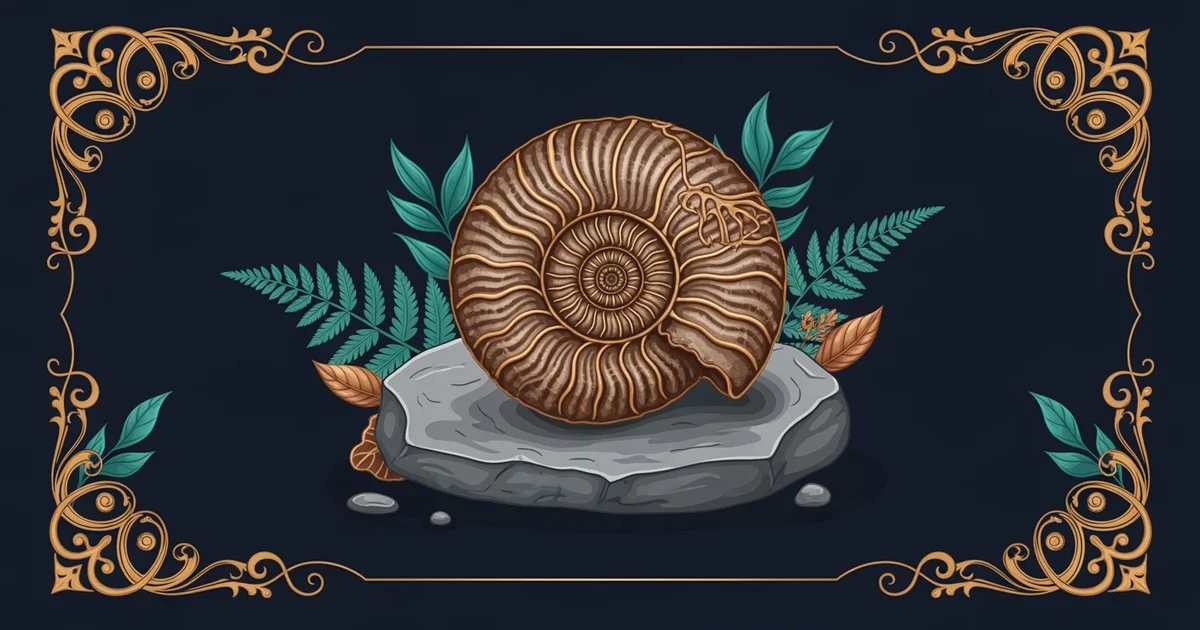
The Logic of Scientific Naming
When scientists identify a new species, they must follow a strict set of rules called binomial nomenclature. This system requires every organism to have a two-part name that is recognized by experts everywhere. The first part represents the genus, which acts like a family surname, grouping similar creatures together. The second part indicates the specific species, acting like a unique personal name for that organism. Think of this process like a library cataloging system where every book receives a unique code based on its genre and title. By using this method, researchers ensure that a dinosaur found in Asia has the same name as a similar specimen found in South America. This consistency prevents confusion and allows for clear communication across different languages and diverse regions of the world.
Key term: Binomial nomenclature — a formal naming system using two Latin or Greek terms to identify each specific type of living organism.
Developing this naming structure helps organize the vast diversity of life into manageable categories for easier study. When paleontologists assign a name, they select terms that often describe a physical trait or the location of discovery. This naming process follows specific conventions that ensure stability within the field of biological classification. If a scientist discovers a new fossil, they must first compare it to existing records to ensure the name is not already taken. This verification prevents duplicate labels and maintains the integrity of the historical record for future generations of researchers to explore. By following these protocols, the scientific community builds a reliable database that tracks the evolution of life through time.
Applying Classification Principles
Applying these principles requires a deep understanding of how organisms relate to one another within the tree of life. Paleontologists use a hierarchical system to sort fossils into groups, ranging from broad categories down to specific types. This structure relies on shared physical characteristics that indicate a common ancestry between different fossil specimens. The following table outlines how scientists organize these groups to keep the data accessible and accurate for ongoing research projects.
| Rank Level | Description of Purpose | Example of Use |
|---|---|---|
| Kingdom | Broadest biological grouping | Animalia |
| Genus | Group of closely related species | Tyrannosaurus |
| Species | Specific unique organism type | Rex |
Each level of this hierarchy provides more detail about the fossil, helping researchers narrow down the exact identity of the specimen. When a paleontologist classifies a find, they start at the top and move down until they reach the most specific level possible. This logical flow ensures that even fragmented fossils can be placed into a meaningful context within the larger history of life.
- Morphological comparison involves checking the physical shape of bones against known species to ensure the classification remains accurate and reliable for future study.
- Geographic mapping links the discovery site to known environmental conditions, which helps confirm if the species could have lived in that specific area.
- Chronological dating places the specimen in a specific time frame, allowing scientists to see how the species evolved over millions of years of history.
By using these methods, experts can confidently name new species while maintaining a clear and organized record of ancient life on our planet. This systematic approach turns a pile of scattered bones into a coherent story about the past.
Scientific naming provides a universal language that allows researchers to organize the complex history of life into a structured and searchable inventory.
But what does it look like when we move from naming individual fossils to understanding how they interacted with their ancient environment?