
Future of Microbiology
Imagine a world where your daily medicine is grown inside a tiny, invisible factory living right in your own gut. We are moving toward a future where we do not just fight germs, but we program them to perform specific tasks for our health.
Engineering the Microbial Future
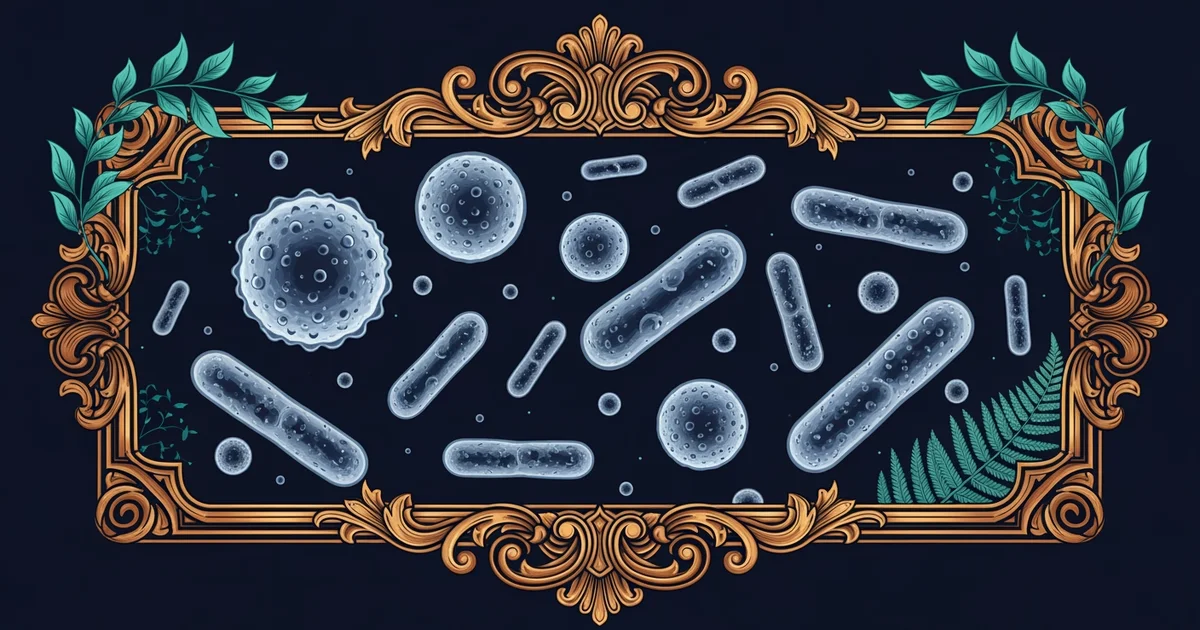
Scientists now use synthetic biology to rewrite the genetic code of simple organisms. This technology allows researchers to turn bacteria into living machines that can produce life-saving drugs on demand. Think of this process like upgrading the software on your smartphone to perform a brand new task. Instead of buying a new device, you simply install a new program that changes how the hardware functions. In the same way, we can insert new instructions into a microbe to make it synthesize vitamins or detect early signs of illness in the body. This approach changes how we think about treatment because the medicine is created exactly where it is needed most. By building these biological circuits, we can create precise solutions that avoid the side effects of traditional chemical drugs. The potential to customize these microscopic workers means we might soon cure diseases that were once considered impossible to manage effectively.
Key term: synthetic biology — the design and construction of new biological parts, devices, and systems that do not exist in nature.
As we refine these tools, we must consider how these modified organisms interact with our complex internal environments. We have already learned that microbes are essential for digestion, but our new designs go much further than just supporting basic health. We are now creating sensors that monitor inflammation levels in real time to prevent chronic conditions before they start. These tiny sentinels act like security guards that patrol your system and report back when they find an intruder. This is a massive shift from our previous understanding of pathogens, which focused almost entirely on killing harmful invaders. We are now shifting our focus toward building a collaborative partnership with the trillions of microbes that inhabit our bodies every single day.
Ethical Challenges and Future Potential
While the science of modifying life is exciting, it brings significant questions about safety and long-term consequences for the planet. We must ensure that these engineered microbes stay within the intended environment and do not spread into the wild. This requires us to build biological safeguards that act like a kill switch if the organism leaves the controlled zone. Just as a business uses security protocols to protect private data, we use genetic locks to protect the integrity of our ecosystems. We are also looking at how these tools could help solve global issues like plastic pollution and climate change. Some researchers are developing bacteria that can consume waste products and turn them into clean energy or harmless organic matter. This capability suggests that the future of microbiology will extend far beyond medicine and into the heart of environmental restoration efforts.
| Application | Primary Goal | Expected Benefit |
|---|---|---|
| Drug Delivery | Targeted Care | Reduced side effects |
| Environmental Cleanup | Waste Removal | Less plastic pollution |
| Diagnostic Sensing | Early Detection | Faster medical response |
This table shows how we can apply these new technologies across different sectors of society. By focusing on these three areas, we can see how microbial science will shape our world. We are no longer just passive observers of the microscopic realm, but active architects of its future. We must continue to ask how these invisible organisms shape our health and the world around us as we move forward. The path ahead requires both technical skill and careful ethical planning to ensure that our innovations benefit everyone equally.
The future of microbiology relies on our ability to engineer living organisms as precise tools for medicine and environmental health.
Understanding the potential of synthetic biology allows us to see how we might one day control the invisible forces that influence our lives and the health of our planet.