
Cellular Structure Basics
Imagine your home is a busy factory where every single room serves a specific, vital purpose. The kitchen handles energy production, the office processes information, and the walls provide essential structural protection for everyone inside. Living cells operate exactly like this, using specialized spaces to keep the entire organism alive and functioning properly. By studying these tiny, organized compartments, we can better understand how life sustains itself against constant environmental challenges.
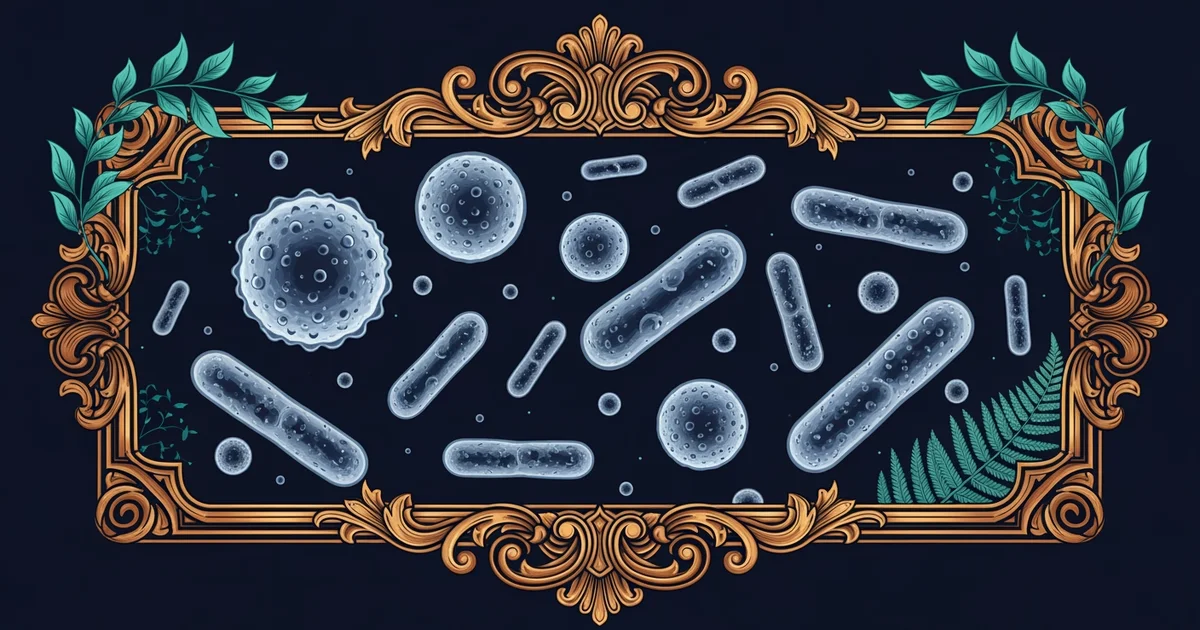
Structural Differences Between Cell Types
When we look at the microscopic world, we find two main types of cellular designs that organize life. The first type, called a prokaryotic cell, represents the simplest form of life on our planet. These cells lack internal walls to separate their machinery, meaning all their genetic material floats freely within the main space. Because they do not have a central office for their DNA, they are highly efficient at replicating quickly. This simple design allows them to thrive in extreme environments where complex organisms would struggle to survive. Think of these cells like a studio apartment where the living room, kitchen, and bedroom all exist in one open, shared area.
In contrast, the second type, known as a eukaryotic cell, uses a much more complex internal floor plan. These cells contain distinct, membrane-bound structures that function like separate departments in a large corporation. The most important of these is the nucleus, which acts as a secure vault for genetic information. By locking the DNA inside this central vault, the cell protects its master blueprints from damage and manages them with greater precision. This compartmentalization allows the cell to perform many specialized tasks at the same time without any interference between the different biological processes.
Key term: Organelle — a specialized structure within a cell that performs a specific function, much like a room in a house serves a distinct purpose.
Understanding these differences helps us see why some organisms grow large while others remain tiny. Eukaryotic cells can grow much larger because they distribute their workload across many different specialized areas. Prokaryotic cells stay small, but their lack of complex internal walls lets them reproduce at incredible speeds. This trade-off between size and speed defines how different species interact with the world around them. The following table highlights the core differences between these two fundamental biological building blocks.
| Feature | Prokaryotic Cell | Eukaryotic Cell |
|---|---|---|
| Nucleus | Absent | Present |
| Size | Generally small | Generally large |
| Complexity | Simple and open | Complex and divided |
| DNA Form | Circular loop | Linear strands |
Managing Biological Complexity
Because cells must constantly manage their resources, the presence of these internal structures becomes a matter of survival. Eukaryotic organisms rely on their internal compartments to regulate energy and waste, ensuring that the cell remains stable. Without these walls, the cell would struggle to control its internal environment, leading to system failures that could kill the entire organism. Prokaryotic cells handle this pressure differently by keeping their structure minimal, which reduces the amount of energy required to maintain their basic life functions.
- Prokaryotic cells utilize a simple design to maximize their rapid reproduction rates in various environments.
- Eukaryotic cells employ a complex, compartmentalized layout to support larger size and specialized biological roles.
- Both cell types maintain essential life processes by protecting their genetic material from harmful external forces.
These strategies illustrate how life adapts to different pressures by balancing structural complexity against functional efficiency. By organizing their internal space, cells create the conditions necessary for complex life to emerge and thrive across the globe. As we look closer at these systems, we start to see the hidden architecture that supports every living creature we encounter. This foundational knowledge explains why some pathogens are harder to eliminate than others, given their unique structural strengths and their specific methods of survival.
The fundamental difference between cell types lies in how they organize internal space to balance survival efficiency and structural complexity.
Next, we will explore how these distinct cellular architectures influence the patterns of bacterial growth and population expansion.